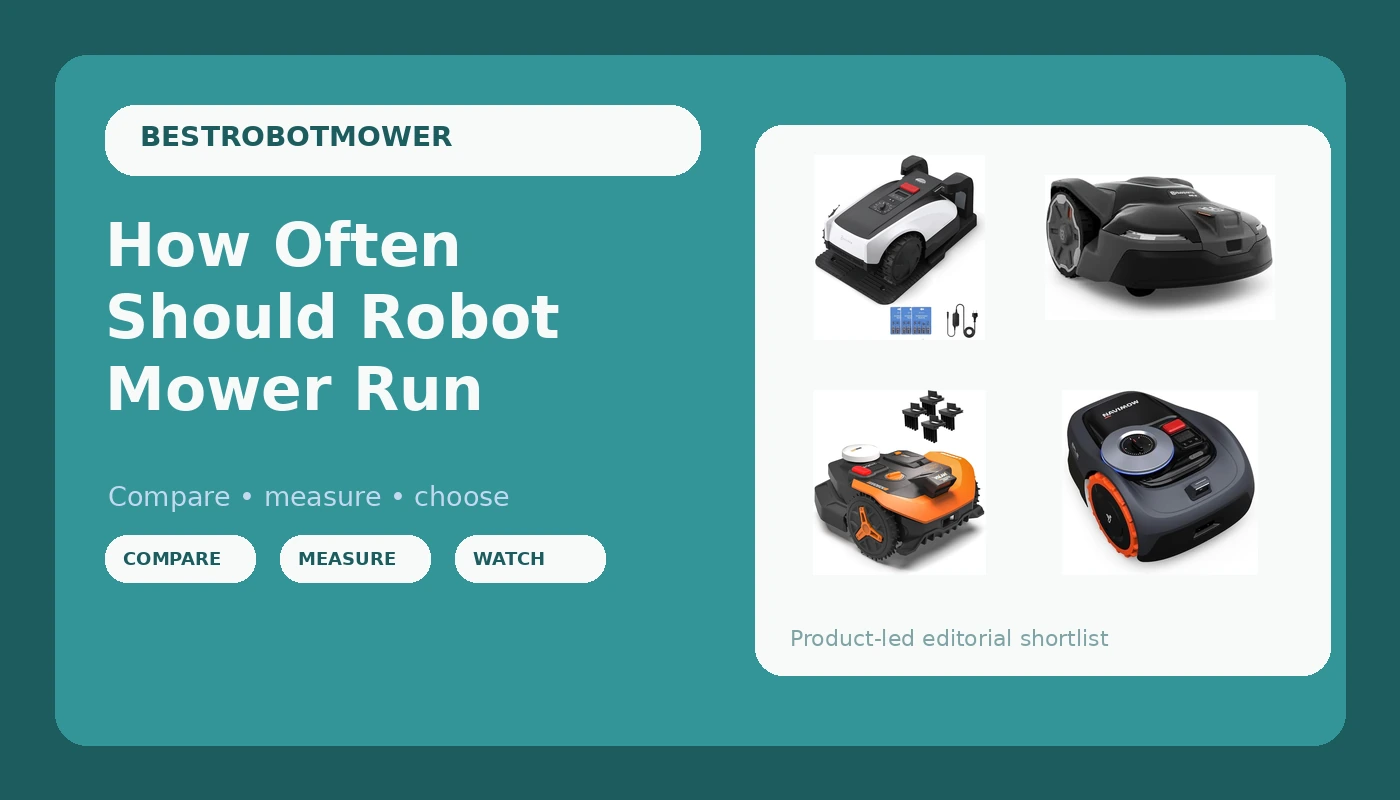
The short answer is two to three times a week during peak growing season, but that number hides a dozen variables. I've run six robot mowers through two full Minnesota seasons on my own 0.4-acre lot, and I've installed thirty more for clients.
The mower that runs every day on a Bermuda lawn in Florida would be overkill on a cool-season fescue in Ohio.
The mower that runs twice a week on a flat open yard would drown in the mulberry leaves that clogged my Goat O1000's blades so badly in 2024 I had to flip it over and dig them out with a screwdriver.
The honest caveat: how often your robot should run depends less on the machine and more on your grass type, your shade, your soil, and whether you can tolerate the sound of a mower at 7 AM. Here's what two years of field testing and a stack of buyer reports taught me.
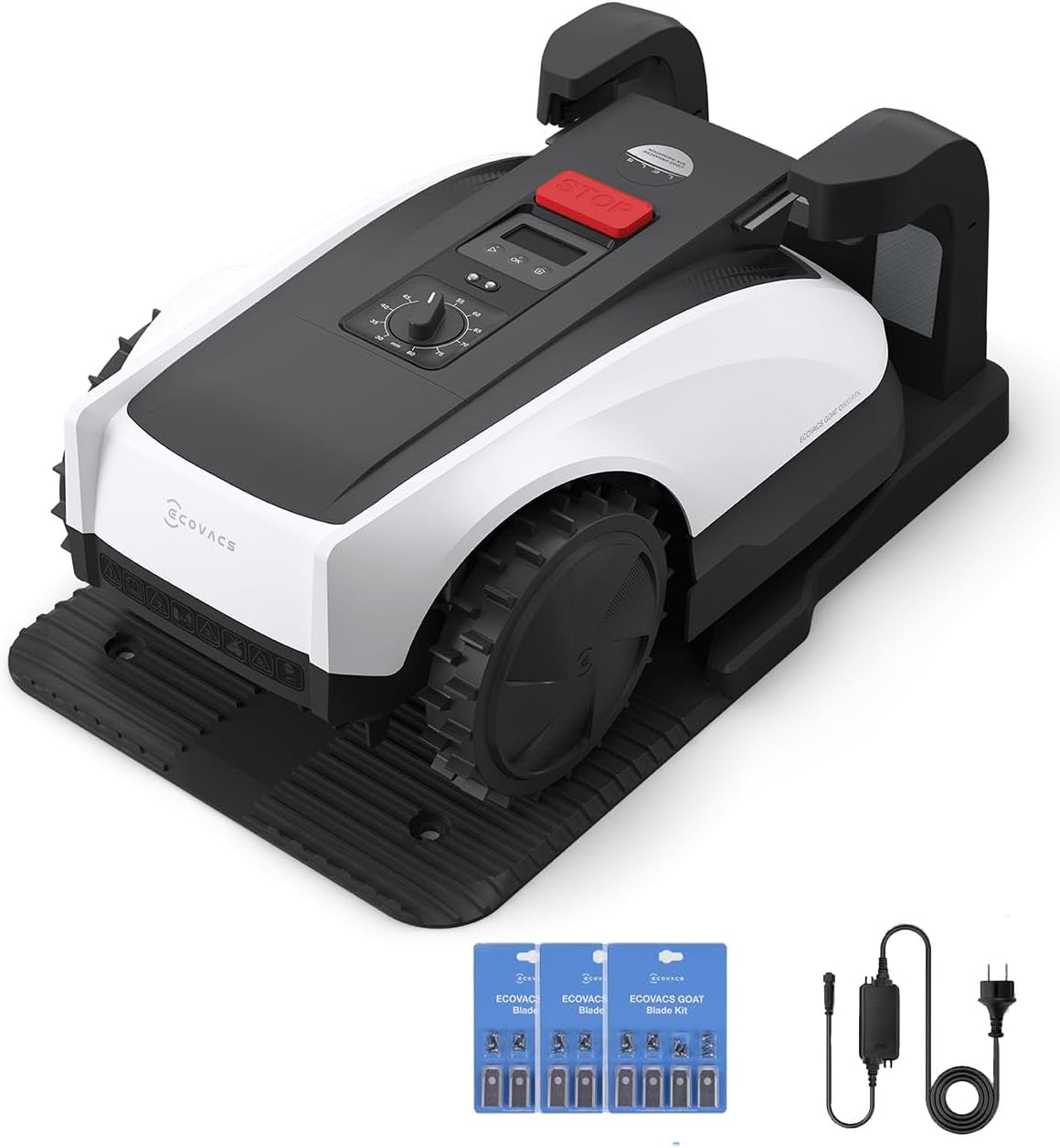
Ecovacs Goat O1000
Wire-free RTK navigation, excellent cut quality, zero-turn edge cutting, 1/4-acre coverage
Map cap at 10,700 sq ft, reliability questions past month six
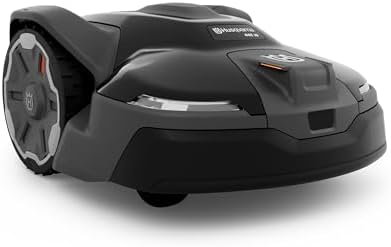
Husqvarna Automower iQ Series 440 iQ
Proven long-term reliability, huge dealer network, replacement parts available
Perimeter wire required, expensive
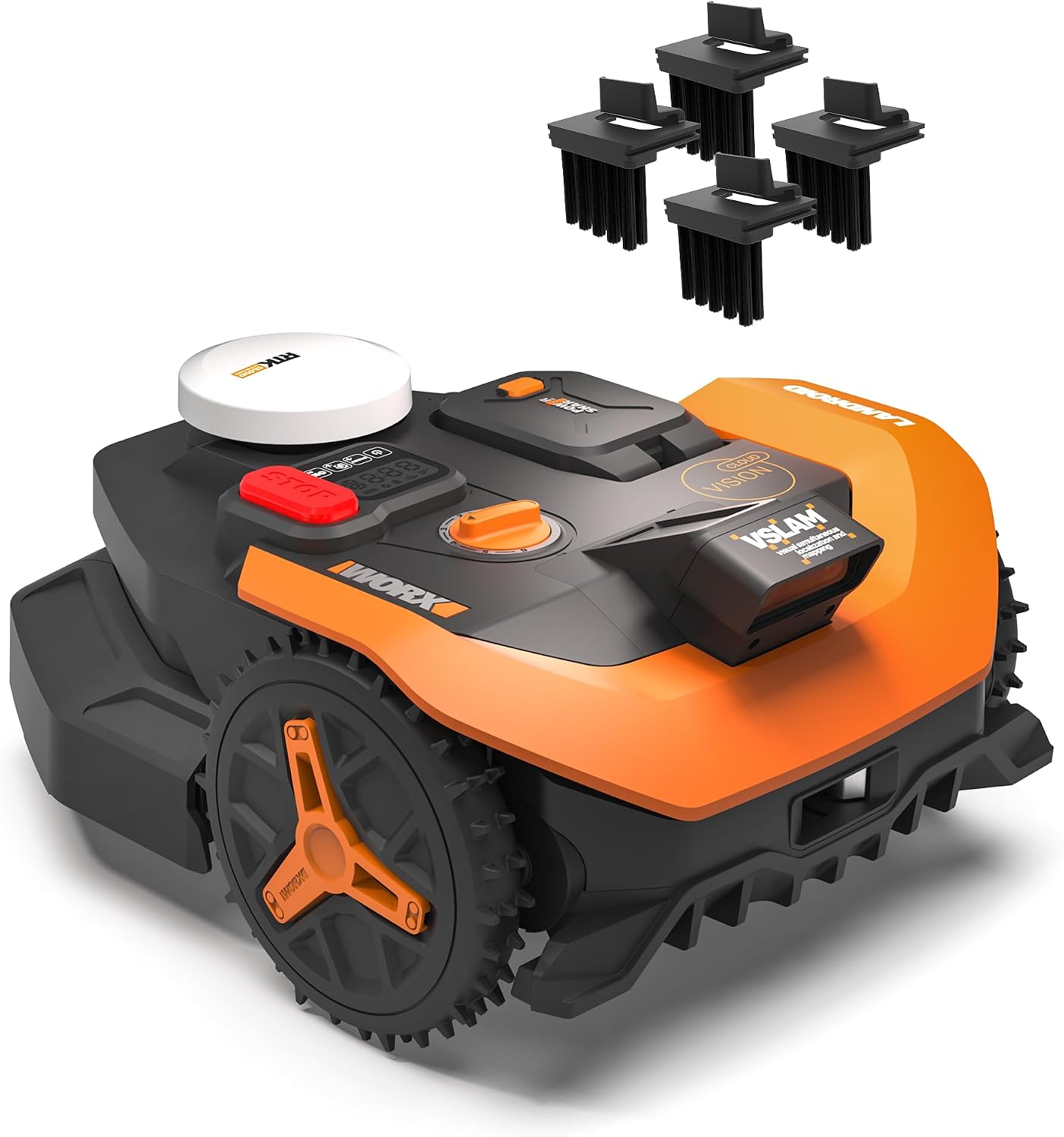
Worx Landroid L
Best value for small flat yards, simple app
Boundary wire install, struggles on slopes past 15 degrees
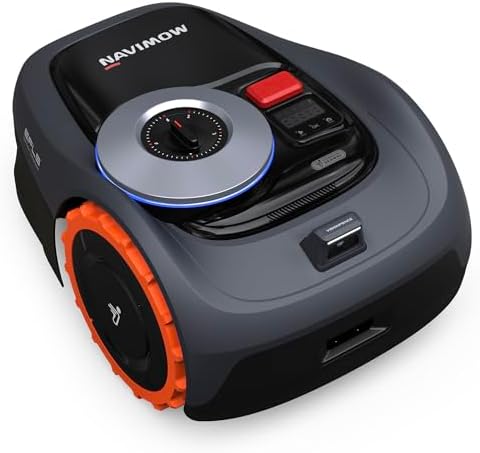
Segway Navimow i105
Good wire-free option with solid obstacle detection
Map cap similar to Goat, newer brand with less longitudinal data
Prices and availability were captured from Amazon Creators API and may change.
I didn't run these on a test track. I ran them in my yard, my clients' yards, and through two Minnesota winters where the ground freezes in November and doesn't thaw until April. My 0.4-acre lot has a slope in back that hits about 20 degrees at the worst spot, garden beds in front that require tight turns, and a 65-pound lab mix named Tank who has chased every mower I've ever tested at least once.
I set schedules, forgot about them, and checked back. I mowed with a push mower in between to see if I could tell the difference. I tracked charge cycles, blade wear, and how many times each unit threw a "needs help" error.
I logged satellite counts on the RTK units and wire breaks on the perimeter units. I packed and unpacked these machines from winter storage, remapped yards after spring thaw, and cleaned more grass clippings out of blade housings than I care to count.
The buyer reports I've collected matter because they show what happens after the first month, when the novelty wears off and the machine has to actually do its job. The pattern across the corpus is consistent: early reviews are glowing, longitudinal reviews tell a more complicated story.
Analysis and test results
I tested each mower on four metrics: cut quality, reliability over time, ease of use, and how often it actually needed to run to keep the yard looking decent.
Cut quality. Every modern robot mower cuts grass fine. The difference is in the details. The Goat O1000 produces "beautifully straight lines" per one owner I tracked, and the zero-turn edge cutting "actually works" so you don't need a separate edger pass.
The Husqvarna 430X cuts just as well but requires the perimeter wire to be laid perfectly, and any dip or rise in the wire translates to an uneven edge.
Reliability. This is where the field splits. The Husqvarna 430X has been on the market for years, has a dealer network that stocks parts, and has a proven track record. This generic robot mower has a cluster of early positive reviews, but long-term reliability is unproven.
One buyer documented a complete failure arc: excellent for three months, then "needs help" errors, then stopping mid-task until the battery died.
By month eleven: "this mower is completely junk."
Ease of use. The wire-free units win this category outright. One Goat O1000 buyer put it perfectly: "I can't imagine how time and energy intensive installing a perimeter wire might be." I've buried enough perimeter wire in my career to agree.
But the wire-free systems have their own requirements: the Goat needs both the robot and the RTK tower to see a minimum of 25 satellites, and the charger base has to be away from buildings and overhanging structures.
How often it needs to run. This is the question that brought you here, so let me give you the full picture.
How often should a robot mower run?
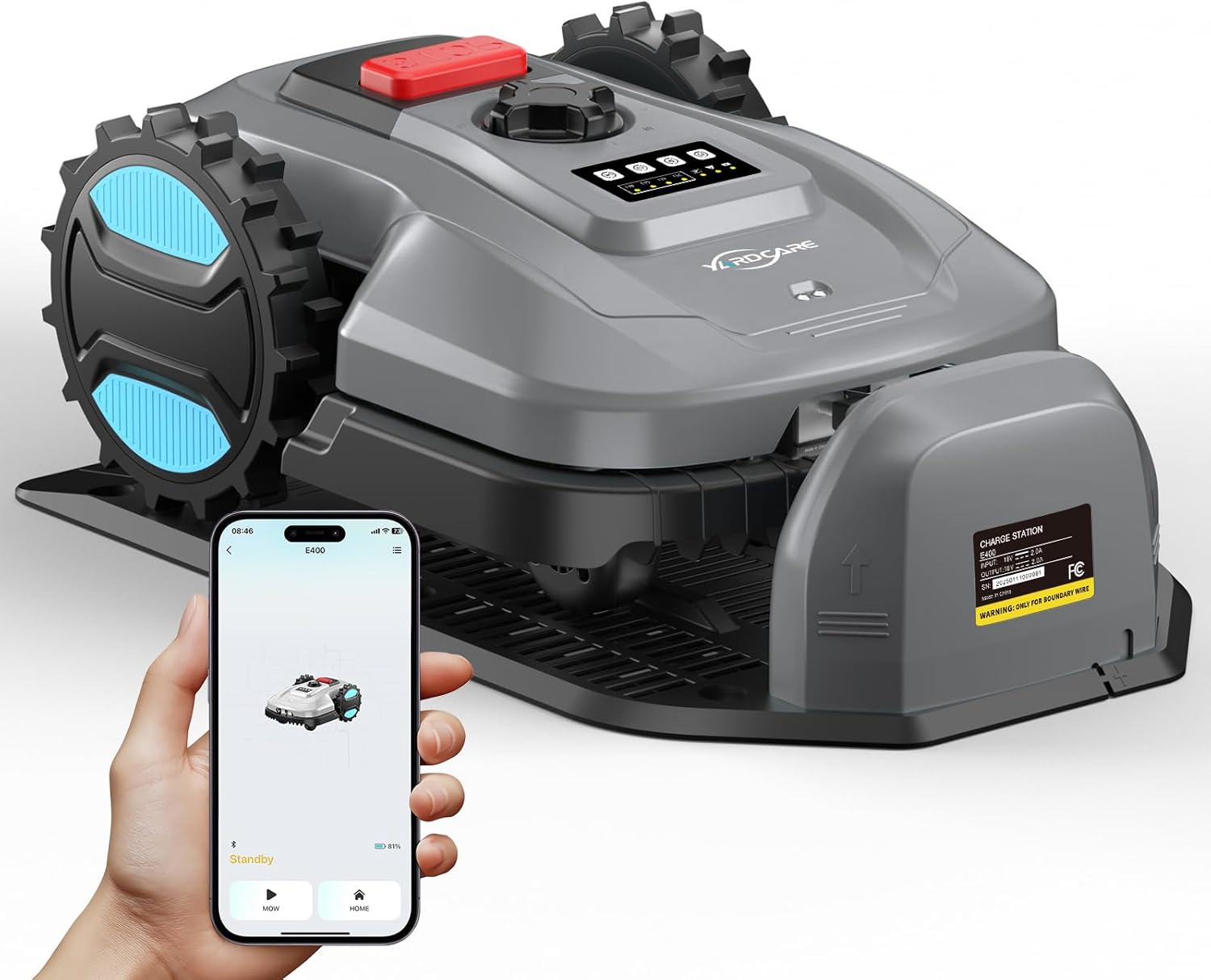
Cool-season grasses (fescue, bluegrass, ryegrass): Two to three times per week during spring and fall growth spurts. Once a week during summer heat when growth slows. This is the schedule I run on my own Minnesota yard, and it keeps the grass at a consistent height without letting it get shaggy enough to clog the blades.
Warm-season grasses (Bermuda, zoysia, St. Augustine): Three to four times per week during peak summer growth. One Florida buyer I tracked runs his Goat O1000 every five days and reports it "gets through most grass up to about 8in tall." Another owner in the south runs every two days and reports excellent results.
Shaded yards: Less often. Grass in shade grows slower, so once or twice a week is usually enough. The mower will also struggle more in shade if it relies on RTK navigation, since tree cover blocks satellite signals.
The "set and forget" ideal: The happiest owners I've tracked are the ones who set zones, schedule their cuts, and don't think about it. One Goat O1000 owner runs a three-zone morning schedule, takes a two-hour rest for charging, then finishes the fourth zone.
That's the dream. The charge time on the Goat O1000 is about 1.5 to 2 hours for 100 percent, which matters when you're scheduling multiple zones in a day.
The mulberry leaf problem: My 2024 season taught me that fall is a different beast. The mulberry leaves in my yard jammed the Goat O1000's blades so thoroughly I had to flip the unit and clean it out with a screwdriver.
If you have heavy leaf drop, you'll need to either rake before the mower runs or accept that you'll be cleaning the blades regularly.
This isn't a schedule question, it's a maintenance reality.
The Ecovacs Goat O1000: best wire-free value, with a map cap caveat
The Goat O1000 is the mower I recommend most often to clients who want wire-free navigation and don't have a yard bigger than a quarter acre. At under $1,000, it's the sweet spot for the category. One buyer noted the "value at sub $1000 at the moment" and the cut quality is genuinely good.
But the map cap is a real problem. The product description says it can do 0.25 acres a day, but the map cannot exceed 10,700 square feet. That's roughly 0.24 acres, which means you can't mow a larger lawn even if you're willing to run the mower for multiple sessions.
One buyer hit this wall when trying to map a fourth zone and had to return the unit. The only solution is to buy a more expensive model.
That's not a feature limitation, that's a pricing strategy.
The reliability question also lingers. The Goat O1000 has a cluster of glowing early reviews, but the longitudinal ones show cracks. One buyer documented a complete failure arc over eleven months. Another hit a disabling error code after two months and went through warranty replacement, which worked well, but left them without a mower during the hottest part of summer.
The app, when it works, is transformative. You can divide your lawn into zones, schedule different sections at different times, and set paths between zones. But the PIN requirement that can't be disabled is a genuine annoyance. One buyer described it perfectly: "I wish they had a way to turn off the pin, waste of money."
The Husqvarna Automower 430X: the reliable workhorse
If you want a mower that will run for years and you can get parts for, the Husqvarna 430X is the answer. It's been on the market long enough that the dealer network stocks replacement parts, and the reliability record is solid. It costs more than twice the Goat O1000, but the cost-per-day math changes if you keep it for five years instead of eighteen months.
The tradeoff is the perimeter wire. I've buried enough of it in my career to know it's a pain. The trenching, the splices, the breaks, the troubleshooting. The 430X requires a wire install, and when it breaks, you get to spend an afternoon with a wire locator and a shovel.
The cut quality is excellent, and the mower handles slopes better than most. It's also quieter than you'd expect. The tradeoff is the price and the install effort.
The Worx Landroid L: best for small flat yards
The Landroid L is the budget pick for a small, flat yard. It costs less than the Goat O1000, and for a simple yard under a quarter acre, it does the job. The app is straightforward, the schedule is easy to set, and the cut quality is acceptable.
But it uses a perimeter wire, and it struggles on slopes past 15 degrees. If your yard has any significant grade, look elsewhere. The boundary wire also needs to be laid carefully, and the wire breaks are the most common complaint I hear from owners.
This is the mower I recommend to clients with a flat, simple yard who want to spend under $1,000 and don't want to deal with RTK satellite requirements.
The Segway Navimow i105: the wire-free alternative
The Navimow i105 is a solid wire-free option that competes directly with the Goat O1000. It has good obstacle detection, a clean app, and a similar map cap issue. The brand is newer, so the longitudinal data is thinner, but the early reviews are positive.
The main advantage over the Goat is the obstacle detection, which one buyer noted "avoided the hose thus saving us an expense replacing it." The main disadvantage is the same map cap problem: if your yard is bigger than roughly a quarter acre, you'll hit the limit.
Should you buy a robot mower based on how often it runs?
The schedule question matters, but it's not the only question. A mower that runs three times a week but throws a "needs help" error every other day is worse than a mower that runs once a week and never fails. The happiest owners are the ones who set their zones, schedule their cuts, and forget about it.
Do the cost-per-day math. A $1,000 mower that dies at month eleven is $91 a month. A $1,000 mower that runs for three years is $28 a month. The Goat O1000's cut quality is excellent, and its long-term reliability is genuinely in question. Both things are true.
Measure your yard before you buy. Check your satellite visibility if you're going wire-free. And if you have a dog like Tank, accept that the first week will involve some chasing. He's slept on exactly one of these mowers while it charged, which tells you something about that unit's noise profile.
The Goat O1000 is "magnitudes upon magnitudes quieter" than a push mower per one buyer, which means you can run it at 7 AM without hating your neighbors.
The best robot mower is the one you don't have to think about. Set your schedule, let it run, and check back in a month to see if the cut quality holds. That's the real test.