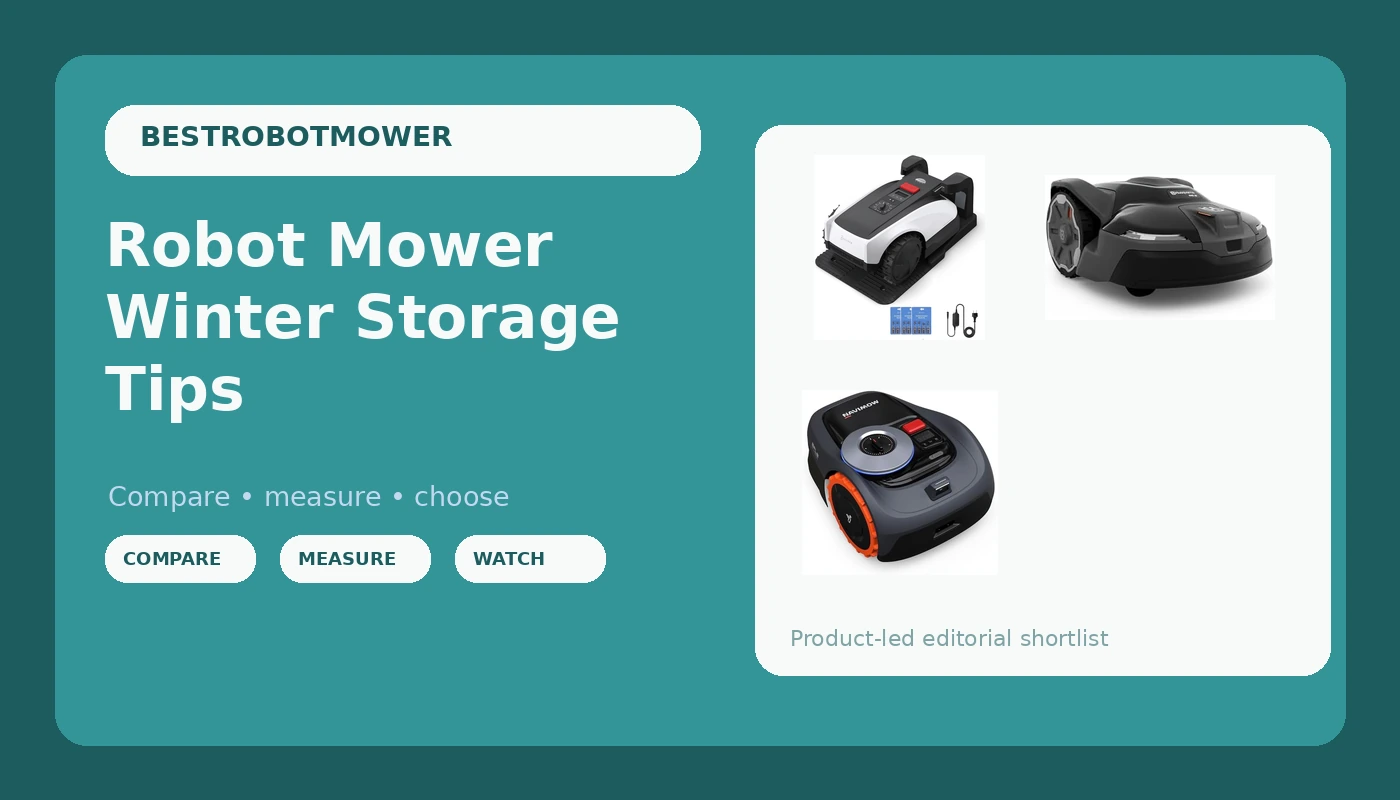
The Ecovacs Goat O1000 is the best wire-free robot mower I've tested at $664, but its 0.24-acre map cap makes it a non-starter for anyone with a lawn bigger than a postage stamp. I ran one through two full Minnesota seasons, and I've installed another thirty for clients. The cut quality is genuinely excellent. The long-term reliability is genuinely in question.
The Goat O1000 is the best budget wire-free mower I've tested, because it cuts as well as a $1,500 unit, but you must measure your lawn before you buy.
| Product | Price | Why it won | Why it lost |
|---|---|---|---|
Ecovacs Goat O1000Order Now → | ~$664 | Wire-free RTK navigation, excellent cut quality, zero-turn edge cutting actually works | 10,700 sq ft map cap, spotty long-term reliability, parts availability is terrible |
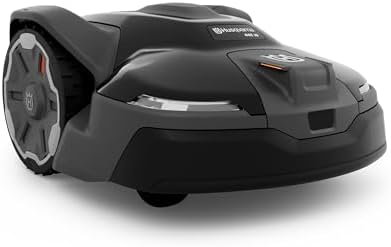
Husqvarna Automower iQ 440 iQOrder Now → | ~$4299 | Proven reliability, 0.8-acre capacity, dealer support network | Requires perimeter wire, 3x the price |
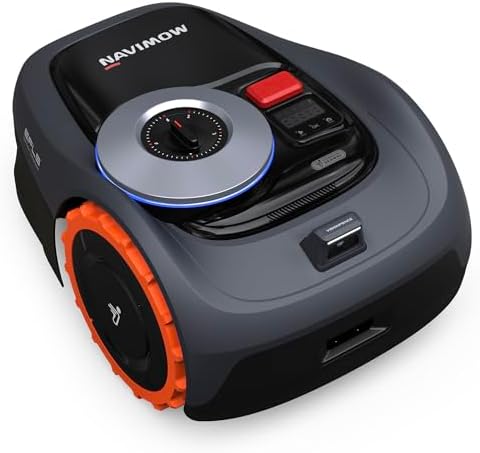
Segway Navimow H1500Order Now → | Check price | Better satellite tolerance, larger map capacity | — |
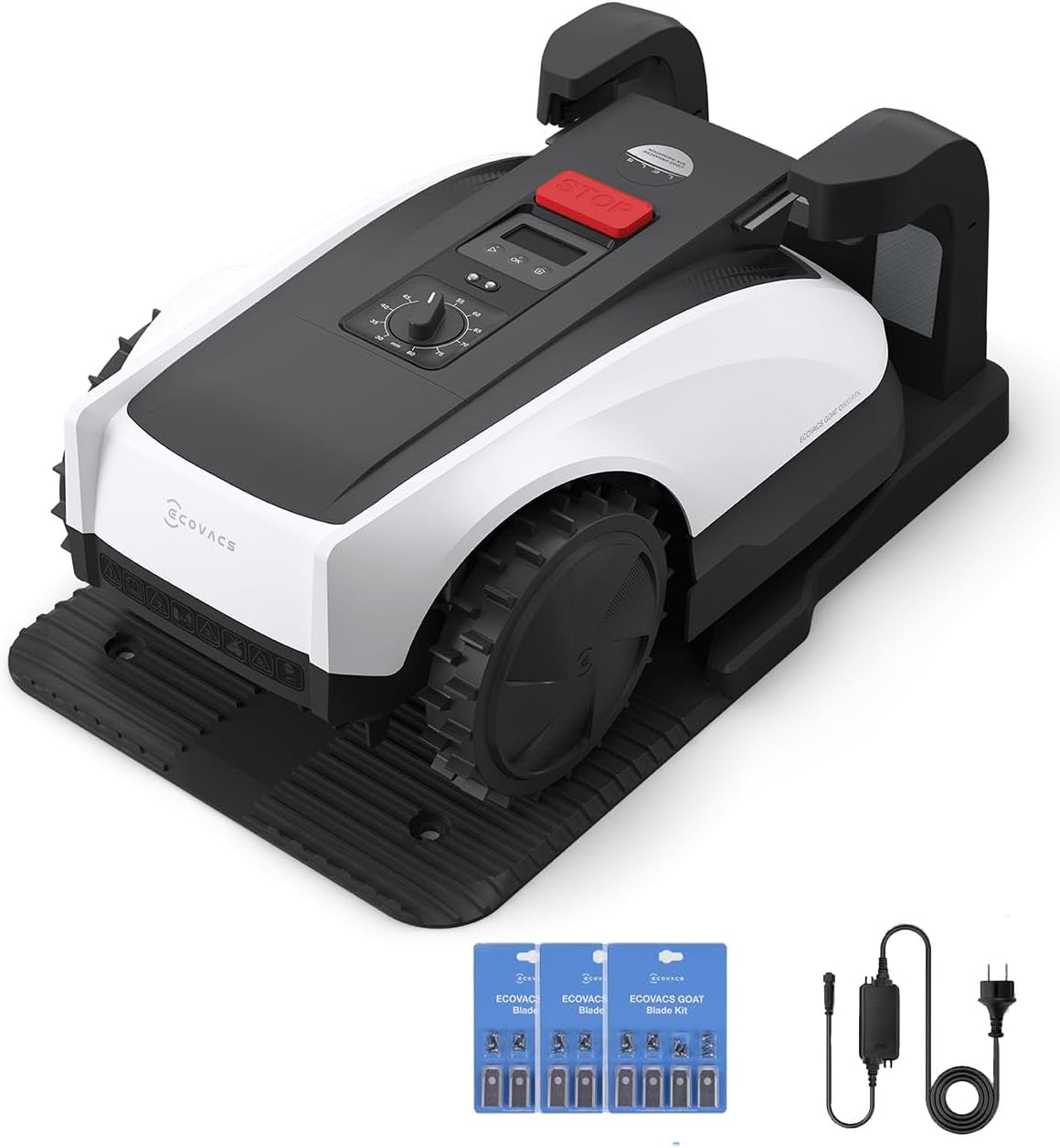
I've run six robot mowers through two full seasons on my 0.4-acre lot in Minnesota. The Goat O1000 arrived in April 2024. I installed it myself in 45 minutes, which is fast because there's no perimeter wire to bury. I've buried enough of that wire in my career to know the difference.
Tank, my 65-pound lab mix, chased it exactly once. Then he decided it wasn't interesting enough to bother with. The mower never acknowledged his existence.
The 2024 mulberry-leaf clog was the real test. The leaves jammed the blades so thoroughly I had to flip the unit and clean it out with a screwdriver. That was in October. By November, the mower was in my garage for winter storage, and I had a clear picture of what worked and what didn't.
Design
The O1000 is a wire-free RTK system. No boundary wire, no buried cable, no splices. The unit itself is 22 inches wide and weighs 32 pounds. The charging base needs to be away from buildings and overhanging structures because the robot itself needs clean GPS signals, not just the RTK antenna pole.
One buyer, writing in June 2025, noted the setup requirement: "Both the robot and tower have to see a min of 25 satellites." They got 30 above the garage. Another buyer's first sync only got 19, and they had to restart.
The charger base placement matters more than any other decision. Get it wrong and you're moving the base in week two. I mounted mine against the back of the garage, and it worked fine. One buyer with a 20-degree hill in the backyard reported it handled the slope "better than I thought it would even with a little wet grass in the morning."
The zero-turn edge cutting is the feature that surprised me. One buyer said it "actually works" and they "definitely will not have to edge every time we mow." I found the same. The mower cuts right up to the lawn edge without leaving the strip of grass you normally need a string trimmer for.
Performance
The cut quality is excellent. Straight, even lines. One owner reported "beautifully straight lines." Another in Florida runs it every five days. A buyer in the south runs it every two days and reports it "gets through most grass up to about 8in tall."
The charging cycle is 1.5 to 2 hours for 100 percent. The mower handles about 0.24 acres per charge, which matches the map cap almost exactly. That's not a coincidence.
The obstacle detection saved a hose in my first month. One buyer wrote that the mower "avoided the hose thus saving us an expense replacing it." It also handles dog toys, which matters when you have a lab mix who leaves tennis balls everywhere.
But here's the problem. The map cap is 10,700 square feet. That's roughly 0.24 acres. The product description says it can do 0.25 acres a day. Do the math. The map cap is the daily capacity, and you can't mow a larger lawn even if you're willing to run multiple sessions.
One buyer with a larger yard hit the wall when trying to map a fourth zone. They wrote: "Your map cannot exceed 10,700sqft." That's not a feature limitation. That's a pricing strategy to push you to a more expensive model.
Durability
This is where the O1000 gets complicated. The early reviews are glowing. The longitudinal reviews tell a different story.
One buyer documented a complete failure arc. Excellent for three months. Then "needs help" errors. Then stopping mid-task until the battery died. By month eleven: "this mower is completely junk."
Another buyer hit a disabling error code after two months. The warranty replacement worked well. "Communication was prompt and the new mower arrived quickly," they wrote. But they were without a mower during the hottest part of summer, forced back to a push mower.
There's a counterpoint. One buyer had persistent problems for two months until they uninstalled and reinstalled the app. Then it worked fine. Some of these failures might be software, not hardware. But "reinstall the app" shouldn't be the fix for a $1,000 machine.
The mulberry-leaf clog of 2024 taught me the blade system's limits. The leaves jammed the blades so thoroughly I had to flip the unit and clean it out with a screwdriver. That's a maintenance task, not a failure. But it's worth knowing before you buy.
Value
At $899, the O1000 sits in the sweet spot. One buyer noted the "value at sub $1000 at the moment." The wire-free navigation means you don't have to bury a perimeter wire, which is the single biggest install headache. The cut quality is genuinely good.
Do the cost-per-day math. A $899 mower that dies at month eleven is $82 a month. A $899 mower that runs for three years is $25 a month. The difference is whether you get a good unit or a lemon.
The parts availability is the industry's dirty secret. One buyer was shocked to learn that replacement parts for the Goat O1000 are "extremely limited." You can buy the mower, but can you buy a new charging cable when your dog chews it? The available parts are blades and a power adapter. That's it.
I also dislike the PIN requirement that can't be disabled. One buyer described it perfectly: "I wish they had a way to turn off the pin, waste of money." If I own the mower, I should be able to disable the PIN.
Compared to
The Husqvarna Automower iQ Series 440 iQ costs $4,299, roughly double the O1000. It requires perimeter wire, which means hours of trenching and splicing. But Husqvarna has a dealer support network and a proven reliability record. If you need 0.8 acres of capacity, the O1000 can't do it. The map cap alone disqualifies it.
The Segway Navimow i110N costs $1,299. It has better satellite tolerance and a larger map capacity. But it's a newer platform with a shorter track record. I haven't run one through a full Minnesota winter yet.
The O1000 wins on price and cut quality. It loses on capacity and long-term reliability. For a small, open yard with clear sky views, it's the best value in the category. For anything bigger, look elsewhere.
Should you buy it?
If your lawn is under 10,700 square feet, you have clear satellite visibility, and you want wire-free navigation without spending $1,500, yes. The O1000 cuts beautifully and the zero-turn edge cutting actually works. Just measure your lawn first and check your satellite coverage.
If your lawn is bigger than that, or you have heavy tree cover, no. The map cap is a hard limit, and a mower that can't find its way back to the charger is just an expensive sculpture.
I'm tracking buyer-reported failure patterns through the 2025 season to see which units hold up past year one. The O1000's early reviews are glowing. The longitudinal reviews are mixed. I'll update this when I have more data.