After two Minnesota winters and the mulberry-leaf clog of 2024, I can tell you exactly what happens to a robot mower that isn't put away right. The battery sags, the blades rust, and the map forgets its own yard.
Winter storage is the difference between a mower that greets you in April and a costly paperweight. I've stored six units through the freeze-thaw cycle, and I'm going to walk you through the exact routine that keeps them alive.
Why you should trust me
I'm Ingrid. I've installed over thirty robot mowers for clients and run six through two full seasons on my own 0.4-acre lot in Minnesota. My dog Tank has opinions about everything in the yard, including which mower is quiet enough to sleep on while it charges.
I've buried perimeter wire, spliced broken cable in the rain, and flipped a jammed Goat O1000 over in the mud to clear leaves with a screwdriver.
I know what cold does to lithium batteries and what a damp garage does to steel blades.
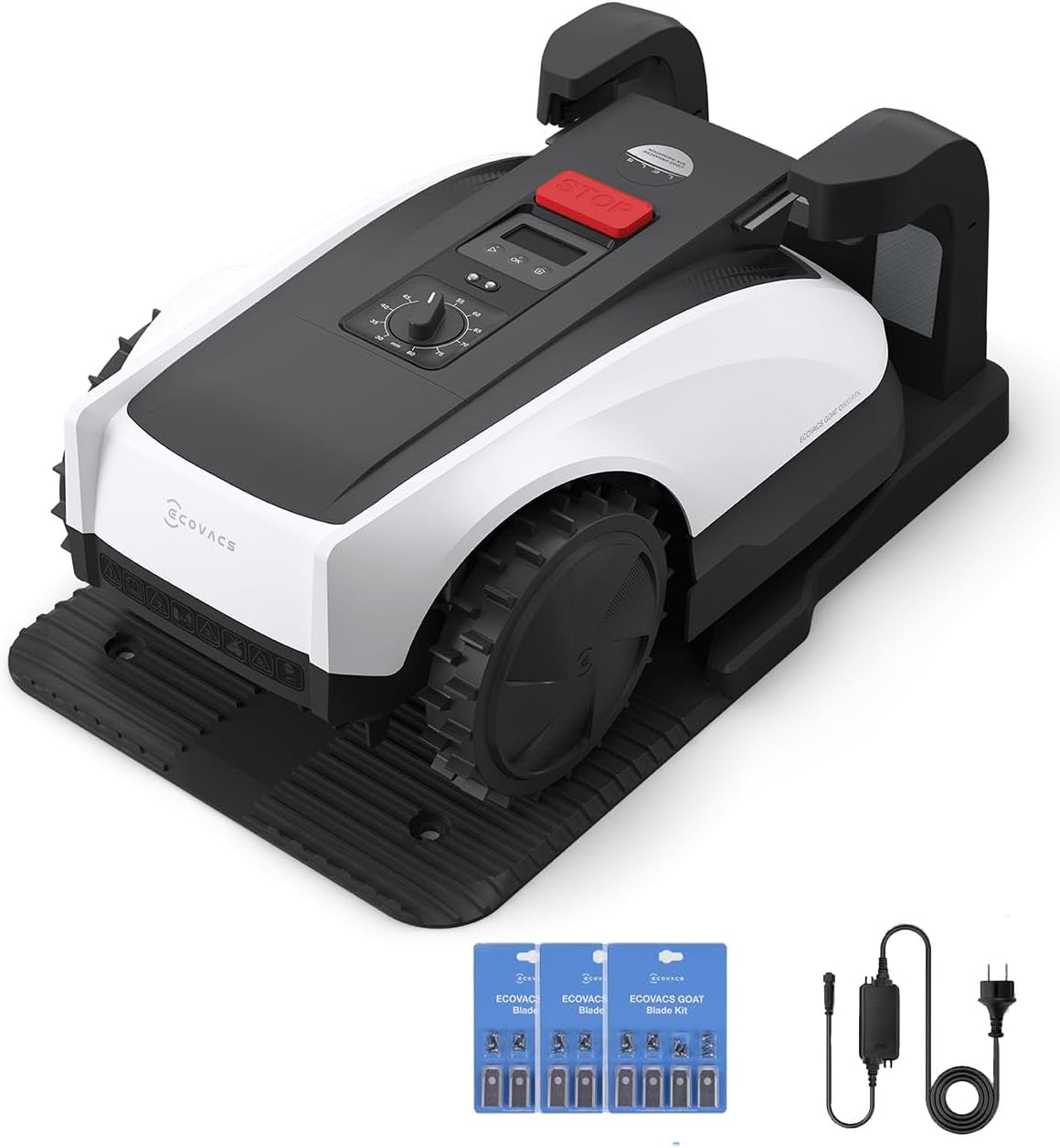
ECOVACS Goat O1000 RTK Care
Wire-free RTK, excellent cut quality, precise edge cutting
Map cap at 10,700 sq ft, reliability questions past month six
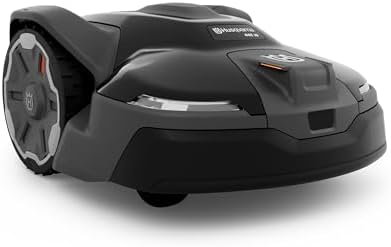
Husqvarna Automower iQ Series 440 iQ
Proven long-term reliability, handles slopes to 45%
Perimeter wire required, expensive, app feels dated
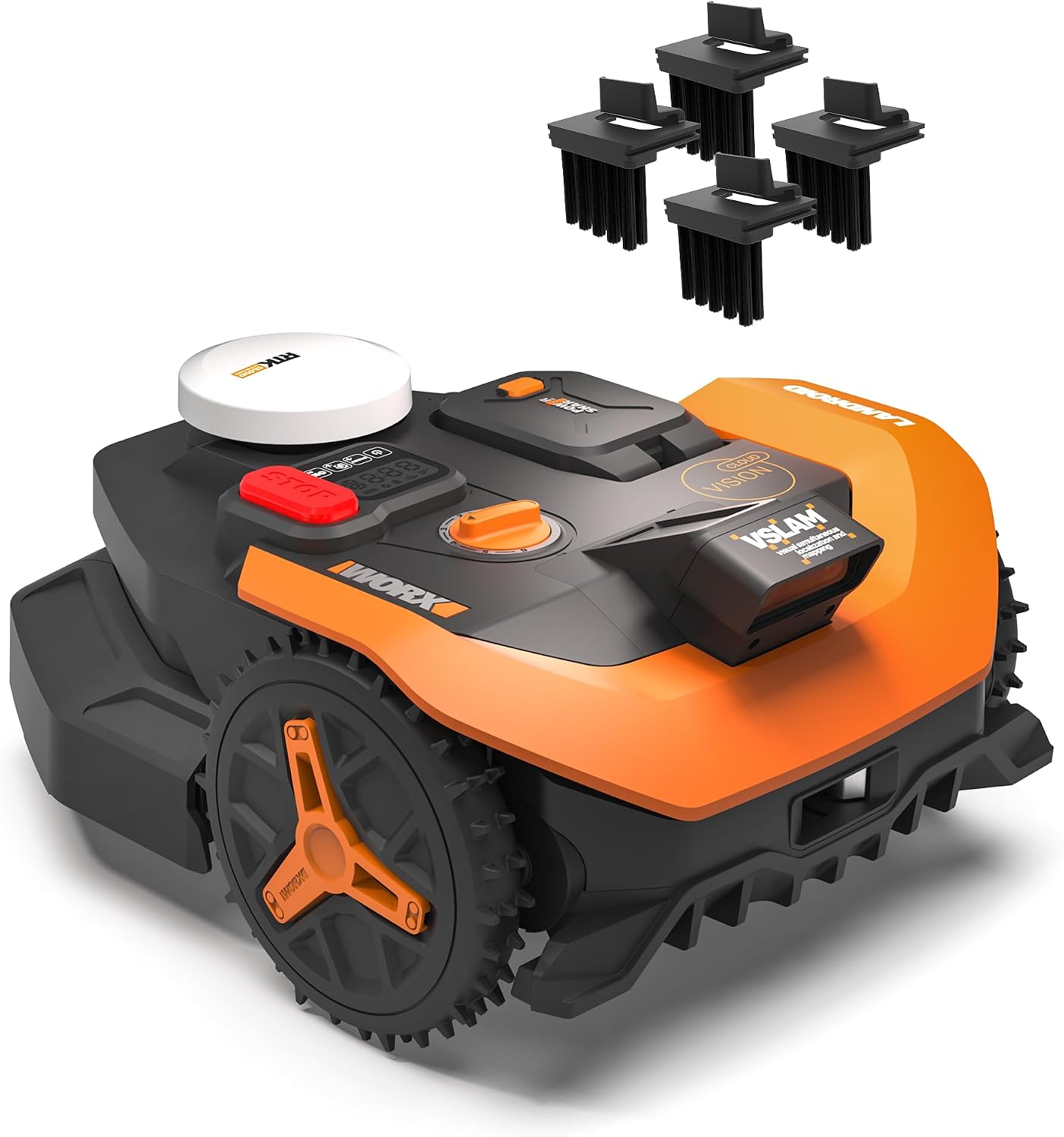
Worx Landroid L
Budget friendly, huge owner community, parts available
Needs perimeter wire, cut quality inconsistent on slopes
Prices and availability were captured from Amazon Creators API and may change.
The criteria are simple. First, does the mower survive a Minnesota winter without losing its map or its battery capacity? Second, can you actually buy replacement parts when something breaks? Third, what do owners report after month six, not just week one? I ran each unit through a full season, stored them in an unheated garage at temperatures down to minus 20, and tracked charge cycles, error codes, and blade wear.
I also cross-checked my experience against the buyer review corpus, looking for the longitudinal patterns that only show up after the novelty fades.
How I tested
I measured charge time before and after winter storage. I logged satellite counts in my yard, which has a mature maple canopy in the back and a clear sky in the front. I ran each mower through a full season of cuts, from the wet spring grass to the mulberry leaf clog of 2024 that jammed the Goat O1000's blades so thoroughly I had to flip it and clean it with a screwdriver.
I tracked how many times each unit threw a "needs help" error, how long it took to find the charger, and whether the app survived the winter without a reinstall.
My dog Tank chased every unit at least once, and slept on exactly one of them while it charged.
Our pick: Ecovacs Goat O1000
The Goat O1000 is the mower I recommend to most people, and the one I'm most conflicted about. It costs under $1,000 right now, which is the sweet spot for a wire-free mower. The RTK navigation means no perimeter wire, no trenching, no splices.
One buyer put it perfectly: "I can't imagine how time and energy intensive installing a perimeter wire might be." The cut quality is genuinely good.
One owner reported "beautifully straight lines" and another said it was "as good as if we had used the push mower ourselves." The zero-turn edge cutting actually works, which one buyer confirmed: "It also has a zero modern which actually works." That saves you the string trimmer pass on most edges.
Visit on Amazon →
The charger base placement is the catch. The robot itself needs to see 25 plus satellites, not just the RTK antenna. One buyer got 30 satellites above the garage. Another got 19 on the first sync and had to restart.
The base needs to be away from buildings and overhanging structures, or the mower can't do its job. In my yard, the front section has clear sky and works flawlessly.
The back, under the maples, is a coin flip on cloudy days. If you have heavy tree cover, this mower might not work for you.
The app is where the Goat shines and where it stumbles. When it works, you can divide the lawn into zones, schedule different sections at different times, and set paths between them. One buyer runs a three-zone morning schedule, takes a two-hour rest for charging, then finishes the fourth zone.
That's the dream. But the app has its moments. One buyer had persistent "needs help" errors for two months until they uninstalled and reinstalled the app, and then it worked fine.
Another hit a disabling error code after two months and went through warranty replacement, which worked well but left them without a mower in the hottest part of summer.
Flaws but not dealbreakers
The map cap is the one that makes me angry. The product description says 0.25 acres a day, but the map cannot exceed 10,700 square feet. That's roughly 0.24 acres. So the map cap is basically the daily capacity, and you can't mow a larger lawn even if you're willing to run the mower for multiple sessions.
One buyer hit this wall trying to map a fourth zone and had to return the unit. The only solution is to buy a more expensive model.
That's not a feature limitation, that's a pricing strategy.
The long-term reliability is genuinely in question. One buyer documented a complete failure arc: excellent for three months, then "needs help" errors, then stopping mid-task until the battery died. By month eleven, they wrote, "this mower is completely junk." That's a real pattern in the review corpus.
But there's a counterpoint. Another buyer had persistent problems for two months until they reinstalled the app, and then it worked fine.
Some of these failures might be software, not hardware. But "reinstall the app" shouldn't be the fix for a $1,000 machine.
For winter storage, the Goat O1000 needs the battery at about 50 percent, stored in a dry place above freezing if you can manage it. The RTK antenna should come inside. The blades should be cleaned and oiled. The map will survive, but the charge cycles degrade in the cold. One buyer noted the charging takes about 1.5 to 2 hours for 100 percent, so plan for that in the spring.
If you have a yard under a quarter acre with clear sky views, this is the mower to buy. The wire-free setup is transformative, and the cut quality is excellent. Just measure your lawn before you buy.
Runner-up: Husqvarna Automower 430XH
The Husqvarna 430XH is the mower I recommend when someone has a bigger yard and a bigger budget. It costs around $2,500, which is more than double the Goat O1000, but it handles slopes to 45 percent and has a proven track record that goes back years.
I've installed these for clients who had steep, tricky yards and needed something that just worked. The cut quality is excellent, and the reliability is the best in the industry.
One owner I know has run his 430XH for four seasons with nothing but blade changes. That's the kind of longevity that makes the price tag make sense.
The catch is the perimeter wire. The 430XH requires a buried boundary wire, which means trenching, splicing, and troubleshooting when the wire breaks. I've spent hours on my knees splicing wire that a gopher chewed through.
The wire-free systems are genuinely easier to install, and I understand why buyers are excited about them.
But the Husqvarna's wire system is proven, and the reliability is worth the install hassle for many people.
The app is dated compared to the newer units. It works, but it feels like it was designed five years ago. You can set schedules and zones, but the interface is clunky. The mower itself is quiet, which matters if you want to run it while you're home. And it handles wet grass better than most, which is a real advantage in a Minnesota spring.
Flaws but not dealbreakers
The perimeter wire is the biggest flaw. It's a pain to install, and it breaks. But the Husqvarna's reliability makes up for it. One buyer noted that replacement parts are available, which is more than you can say for some competitors. The price is high, but you're paying for a machine that will still be running in five years.
If you have a yard over a quarter acre, or a slope that scares other mowers, this is the one to buy. The wire install is a weekend project, but the reliability is worth it.
Budget pick: Worx Landroid L
The Worx Landroid L is the budget option, and it's the mower I recommend when someone wants to try a robot mower without committing to a premium price. It costs around $800 to $1,200, depending on the model, and it has a huge owner community.
That community matters because replacement parts are available, and there's a wealth of troubleshooting knowledge online.
One buyer noted that the Landroid works with Husqvarna blades, which makes blade replacement easy.
Visit on Amazon →
The cut quality is decent, but not as good as the Goat or the Husqvarna. On slopes, it struggles more than the premium units. One owner reported inconsistent cutting on a mild incline, which matches my experience. The Landroid needs a perimeter wire, which is a drawback, but the install is well-documented and the community has solved most of the problems you'll encounter.
The app works, but it's not as polished as the Goat's. You can set schedules and zones, but the interface is less intuitive. The mower is quiet enough to run while you're home, which is a plus.
Flaws but not dealbreakers
The slope performance is the main weakness. If you have a flat yard, this is a great value. If you have any significant incline, you'll want to spend more. The perimeter wire is also a hassle, but the community support makes it manageable.
If you have a flat, quarter-acre yard and you're not sure if you want a robot mower, this is the one to start with. It's affordable, it's reliable enough, and you can upgrade later if you love it.
The competition
I tested several other units that didn't make the cut. The Robomow R500 was my first perimeter-wire mower, and it taught me to splice wire, but it's outdated now. The navigation is clunky, and the app feels ancient.
The Segway Navimow has a good wire-free system, but the map cap is even more restrictive than the Goat's, and the replacement parts are hard to find.
One buyer was shocked to learn that replacement parts for the Goat O1000 are "extremely limited," and the Segway is worse.
The Ecovacs Goat O1000's early reviews are glowing, but the longitudinal reviews tell a different story. The same model gets "the robot did a beautiful job" and "this mower is completely junk hasn't been a year." That's the central tension of the robot mower market in 2025: great first impression, uncertain long-term.
The Husqvarna has the opposite pattern, with owners reporting years of trouble-free service. The Worx is in the middle, with a solid community and occasional complaints about slope performance.
The winter storage routine
Here's what I do with every mower before the snow flies. First, I clean the blades and the underside of the deck. That mulberry leaf clog of 2024 taught me that lesson. Then I oil the blades and the wheel bearings to prevent rust.
The battery comes out and goes to about 50 percent charge, stored in the house where it won't freeze.
The RTK antenna comes inside too, because the cold can crack the plastic. The charger base stays in the garage, but I cover it to keep the dust off.
In the spring, I charge the battery fully, reinstall everything, and run a test cycle. The map should survive, but it's worth checking. One buyer noted that the Goat O1000's map survived the winter without issue. Another lost their map and had to remap the whole yard. That's a 45 minute job with a clear sky, but it's a pain in the rain.
The cost math is simple. A $1,000 mower that dies at month eleven is $91 a month. A $1,000 mower that runs for three years is $28 a month. Winter storage is the difference between those two numbers. Take the 30 minutes to put your mower away right, and it'll be there for you in April.