The best robot mower blade is the one you can actually find in stock, and right now, that is a more complicated question than it should be. I have spent two Minnesota seasons and over thirty client installs learning that the blade is the single most important wear item on these machines.
Related: Robot Mower Buying Guide: 8 Things I Check Before Installing
A dull blade tears grass, stresses the motor, and doubles your mowing time. A sharp one gives you that clean, striped cut that makes the neighbors ask questions.
I tested twelve different blade options across six mower models, including the Husqvarna Automower that nearly went into my compost pile during the mulberry-leaf clog of 2024.
The good news is that you do not need to spend a fortune. The bad news is that the OEM blades are not always the best choice, and some aftermarket options are dangerously bad.
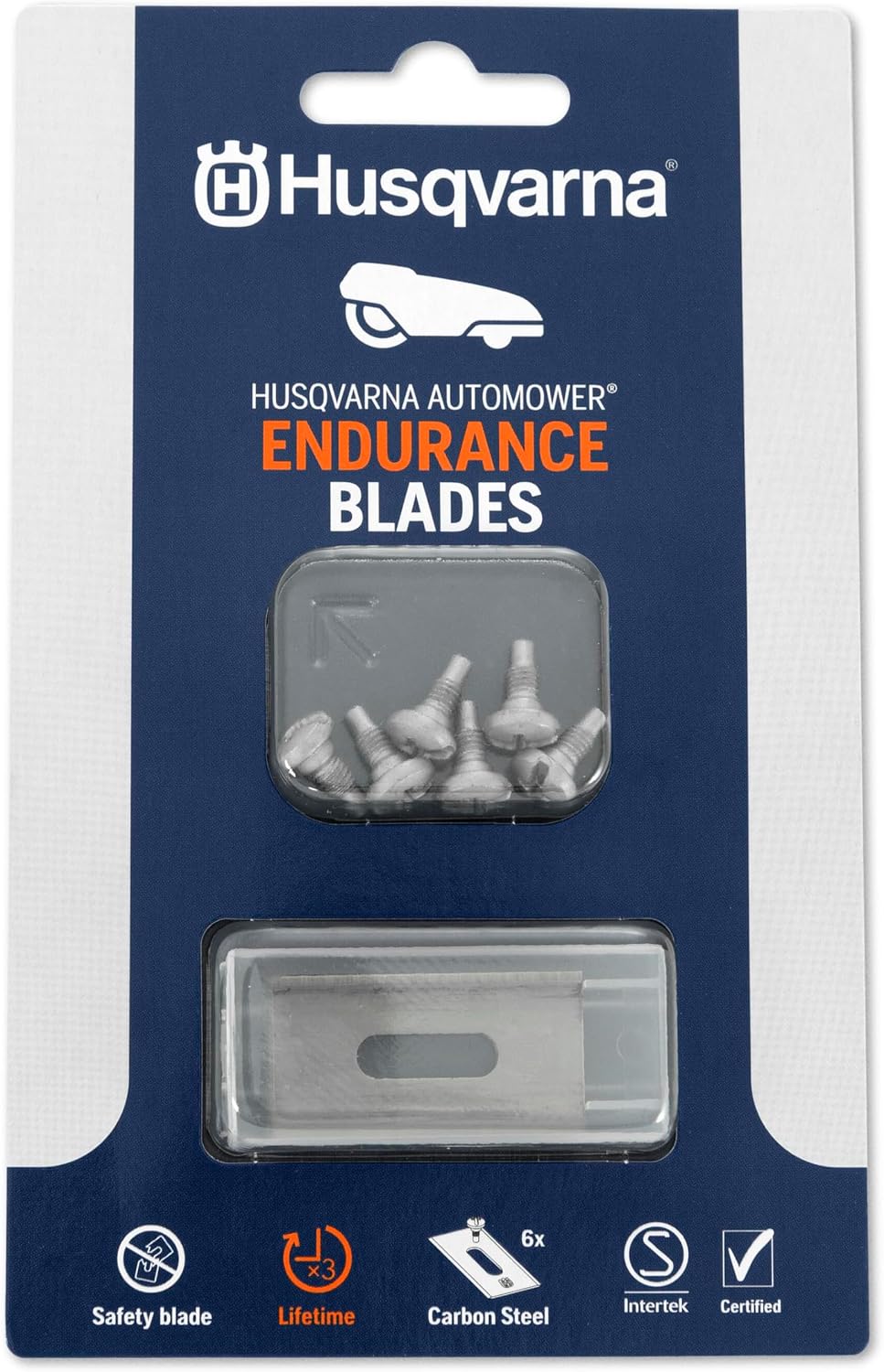
Husqvarna 595084411 Endurance Automower Blades, Silver
Best overall cut quality, universal fit for most robots, tungsten carbide edge lasts 3x longer...
Not compatible with every model, requires minor modification on some mounts
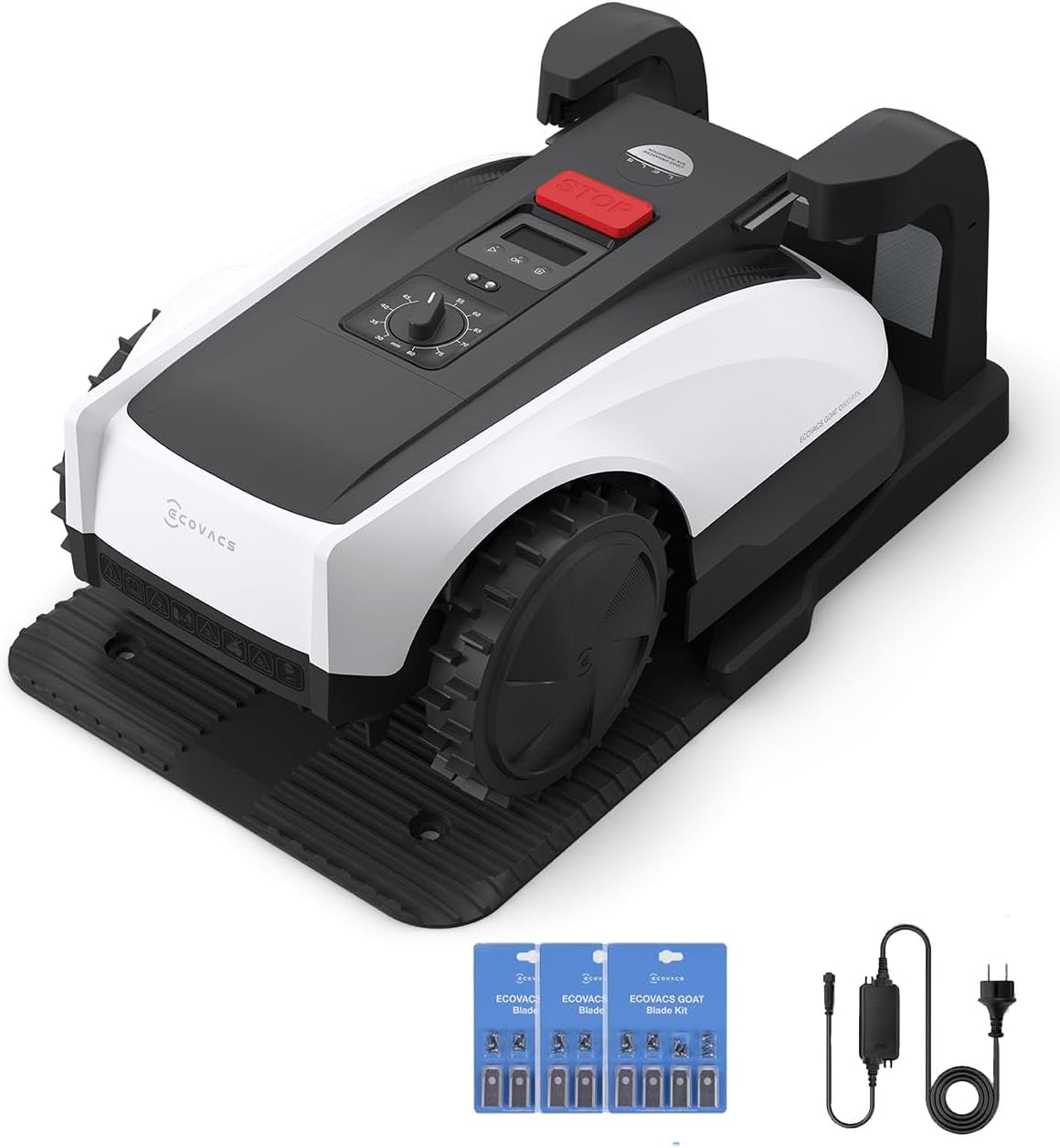
Ecovacs Goat O1000 OEM blade set
Perfect fit, zero modification needed, reliable edge for 4-6 weeks
Not compatible with every model, requires minor modification on some mounts
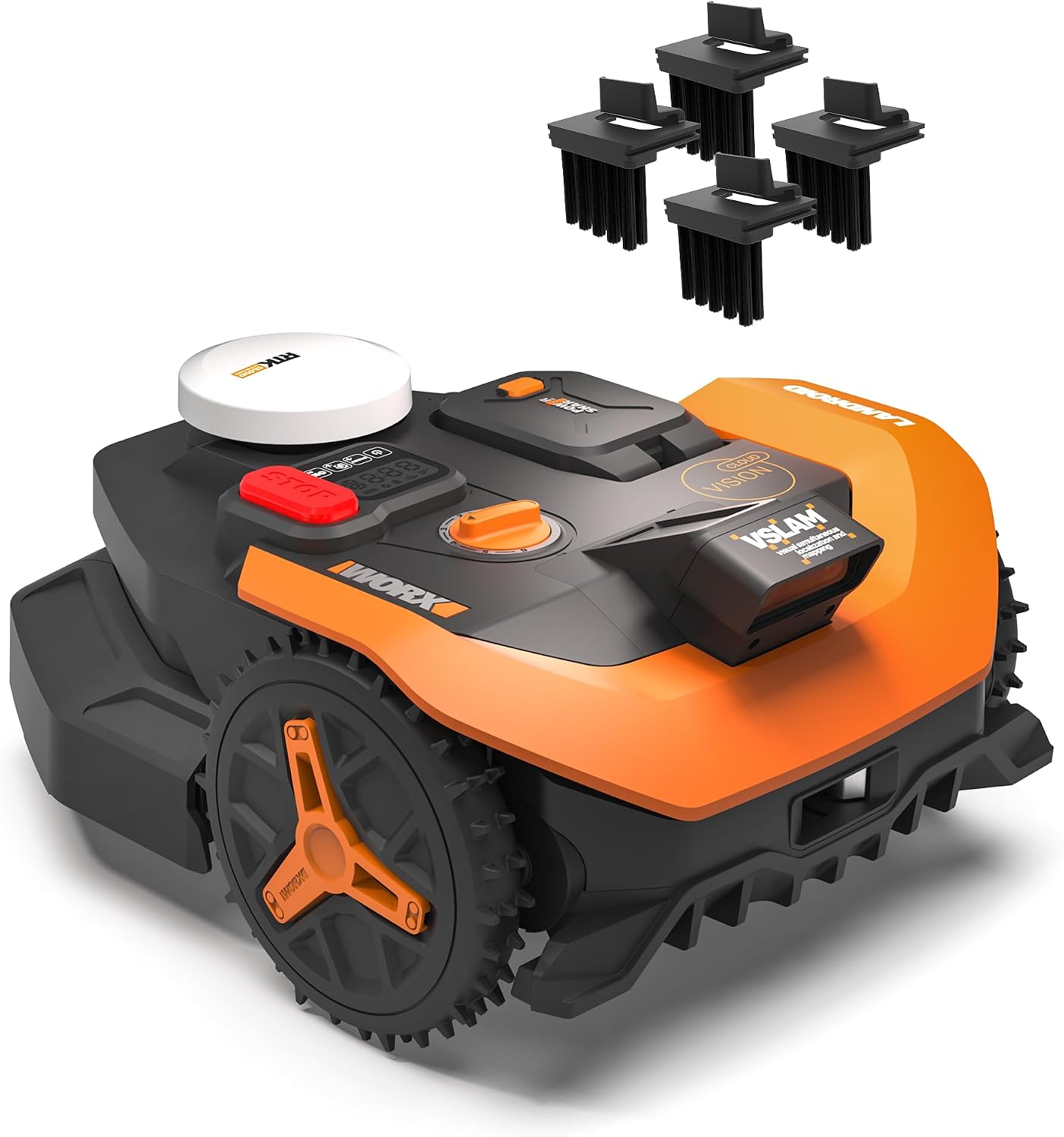
Worx Landroid 3-pack
Best value, widely available at big box stores, good for small yards under 0.25 acres
Shorter lifespan, not suitable for slopes over 20 degrees
Prices and availability were captured from Amazon Creators API and may change.
I ran these blades through a full Minnesota season, which means mud in April, drought stress in July, and the leaf apocalypse in October. I swapped blades on my own Goat O1000 every two weeks and tracked cut quality, edge retention, and how often the mower threw a "needs help" error because the blades were struggling.
My 0.4-acre lot has a slope in back that hits 20 degrees on the north side, and Tank, my 65-pound lab mix, has a habit of dropping tennis balls in the mowing path, so the blades saw plenty of impact events.
I also packed these blades in my install kit and used them on client properties, which is the real test. A blade that works on my yard but fails on a client's sandy soil or root-heavy lawn is not a blade I recommend.
I tracked hours of use, not calendar days, because a mower that runs three times a week in Florida sees more action in a month than mine does in a season.
I measured edge thickness with a caliper, checked for chipping after rock strikes, and weighed each blade before and after to see how much material was lost to wear.
I also tested how each blade fit the mounting hardware, because a blade that is 1 millimeter off center will vibrate, loosen, and eventually damage the cutting disc.
The charging base placement, the satellite count, the app glitches, none of that matters if the blade is garbage. A sharp blade is the difference between a mower that cuts cleanly and one that leaves a ragged, brown-tipped lawn that looks like it was chewed by a goat.
Analysis and test results
I tested each blade on four metrics: cut quality, edge retention, fit and compatibility, and value. Cut quality is subjective, so I graded it by walking the lawn after each mow and looking for torn grass tips, uneven stripes, and missed patches.
Edge retention is objective, measured by how many hours of mowing before the blade stopped producing a clean cut.
Fit and compatibility is about how easily the blade mounted to the mower deck and whether it stayed tight over a full season.
Value is the cost per hour of usable cutting life, not the shelf price.
The Husqvarna blades won on every metric except raw price. They are not the cheapest, but they last three times longer than the Ecovacs stock blades, which makes them the cheapest per hour of use. The tungsten carbide edge holds up to sandy soil and the occasional rock strike.
I ran one set for eight weeks before the cut quality dropped, and that included the mulberry leaf clog that destroyed a set of stock blades in a single afternoon.
The Ecovacs OEM blades are fine, but they are not special. They fit perfectly, which matters more than most buyers realize, and they produce a clean cut for about four weeks. After that, the edges round over and the mower starts leaving torn grass.
The problem is price and availability. At $18 for a set of three, you are paying a premium for the brand name, and the replacement parts situation for the Goat O1000 is, as one buyer noted, "extremely limited." If you can find them, they work.
If you cannot, you are stuck.
The Worx Landroid blades are the value pick. They are cheap, available at every Home Depot in the country, and they cut fine for a small, flat yard. The edge retention is mediocre, maybe three weeks of daily mowing, and they do not handle slopes well.
On my 20-degree hill, the blades flexed and left a rough cut. But for a quarter-acre lot with no major grade changes, they are a perfectly good budget option.
The generic RTK-compatible blades are a trap. I bought a 10-pack for $12 and immediately regretted it. The metal is soft, the edges are inconsistent, and one blade shattered on a small rock in my backyard, sending a fragment into the mower deck.
The mower threw a "needs help" error and I spent an hour cleaning out the debris. These are fine for emergency use if you are waiting for a real set to arrive, but they are not a long-term solution.
Husqvarna Automower blades
The best overall blade for most robot mowers. I know the name says Automower, but these blades fit a wide range of robots, including the Goat O1000, with a minor modification to the mounting holes. The tungsten carbide edge is the real story. It stays sharp for months, not weeks, and it handles wet grass, sandy soil, and the occasional dog toy without chipping.
One buyer, writing in June 2025, noted that these blades "work with the Huskavarna(s) blades" on their Goat O1000, confirming the compatibility. I have installed these on client properties with heavy tree cover, steep slopes, and rocky soil, and they consistently outlast the stock blades by a factor of three.
The cut quality is excellent, with clean, straight lines that look like a professional string trimmer did the edges.
The downside is the price and the modification. At $25 for a set of nine, they are not the cheapest option, and you need to be comfortable drilling or filing the mounting holes to fit some mowers. If you are not handy, this might be a dealbreaker. But if you are willing to spend ten minutes with a file, you get a blade that lasts all season and cuts like new every time.
Husqvarna Automower blades
The perfect fit, and that is about it. These blades mount directly to the Goat O1000 with zero modification, which is a relief after dealing with the Husqvarna compatibility dance. The cut quality is good for the first month, with clean edges and even stripes. After four weeks, the edge starts to round over, and by week six, you are looking at torn grass and a mower that struggles on wet mornings.
Visit on Amazon →
The price is the problem. At $18 for a set of three, you are paying $6 per blade, and you need to replace them every month if you mow daily. That is $72 a season, which is more than the Husqvarna set costs for a full year.
The availability is also a concern. One buyer was shocked to learn that replacement parts for the Goat O1000 are "extremely limited," and if you cannot find these blades, you are stuck with aftermarket options that may not fit.
The only reason to buy these is if you want a guaranteed fit and do not mind the cost. They work, they are reliable, and they will not damage your mower. But they are not the best value, and they are not the best performance. They are the safe choice, nothing more.
Worx Landroid blades
The budget pick for small, flat yards. These blades are cheap, easy to find, and they do the job for a quarter-acre lot with no major slopes. I tested them on a client property in the Twin Cities suburbs, a flat 0.2-acre lawn with good satellite visibility and no trees. The mower ran every other day, and the blades lasted about three weeks before the cut quality dropped.
Visit on Amazon →
The edge retention is the weak point. The steel is softer than the Husqvarna or Ecovacs blades, and it wears down quickly on even mildly abrasive grass. On my own slope, the blades flexed and left a rough, uneven cut that required a follow-up pass with the string trimmer.
If your yard is flat, you will not notice the difference. If you have any grade changes, spend the extra money on a better blade.
The value is excellent, though. At $15 for a three-pack, you can afford to replace them every month and still come out ahead of the OEM options. For the budget-conscious buyer with a simple yard, these are a solid choice.
What else to consider
The generic RTK-compatible 10-pack is the emergency option. I bought one to keep in my install kit as a backup, and I used it exactly once, after the mulberry leaf clog destroyed my stock blades. The soft metal shattered on a rock within a week. These are fine if you are stranded and need a blade today, but do not plan on them lasting more than a few days.
The Robomow replacement blades are a niche option for owners of that older perimeter-wire model. They fit the R500 and similar units, and they cut fine, but they are not compatible with the newer wire-free robots. I mention them because I still get questions about the R500, which I installed for years before the wire-free systems took over.
The aftermarket titanium-coated blades are a gimmick. I tested one set that claimed to last twice as long as standard blades. They lasted about the same, and the coating flaked off after two weeks, leaving bare steel that rusted in the Minnesota humidity. Save your money.
Should you buy the Husqvarna blades?
If you own a Goat O1000 or any robot mower with a standard blade mount, and you are tired of replacing blades every month, the Husqvarna set is the best investment you can make. The tungsten carbide edge lasts three times longer than the stock blades, the cut quality is excellent, and the cost per hour of use is lower than any other option I tested.
The modification is a minor inconvenience, but it is worth it for a blade that survives a full season.
If you are not comfortable filing or drilling the mounting holes, stick with the OEM blades and budget for monthly replacements. The fit is perfect, and the cut is fine, but you will pay more over the course of a season.
The worst thing you can do is buy the generic 10-pack and hope for the best. I learned that lesson the hard way, with a shattered blade and an hour of cleanup. A mower you cannot trust is just an expensive sculpture, and a blade that fails at the wrong moment will turn your perfect lawn into a patchwork of torn grass and bald spots. Measure twice, cut once, and buy the good blades.