I keep a string-and-stakes map of every robot mower install I have done, and the Minneapolis maps are the ones that tell the truth. A machine that survives a Minnesota spring, the week the grass grows four inches overnight, and a dog that treats a docked robot like a chew toy is a machine I will recommend. A machine that needs rescue every third day is a hobby with a battery.
That is the frame for this robot lawn mower comparison. I have four units in front of me this season and they are not four versions of the same thing. One navigates with 360 degree 3D LiDAR and claims 0.75 acre. One is a wire-free optical mower sized for lawns under 3,500 square feet. One is a wired robot that claims up to a quarter acre with a 50% slope rating. And one is not a robot at all: a 40V push mower that does the jobs no robot here can do.
Related: Perimeter Wire Vs Rtk Robot Mowers
For a typical suburban lot, the wire-free LawnMaster OcuMow is the one I would buy first, because it removes the install that scares people off. For a 0.75-acre property, the Neomow X SE is the only machine here whose navigation class actually matches its acreage claim.
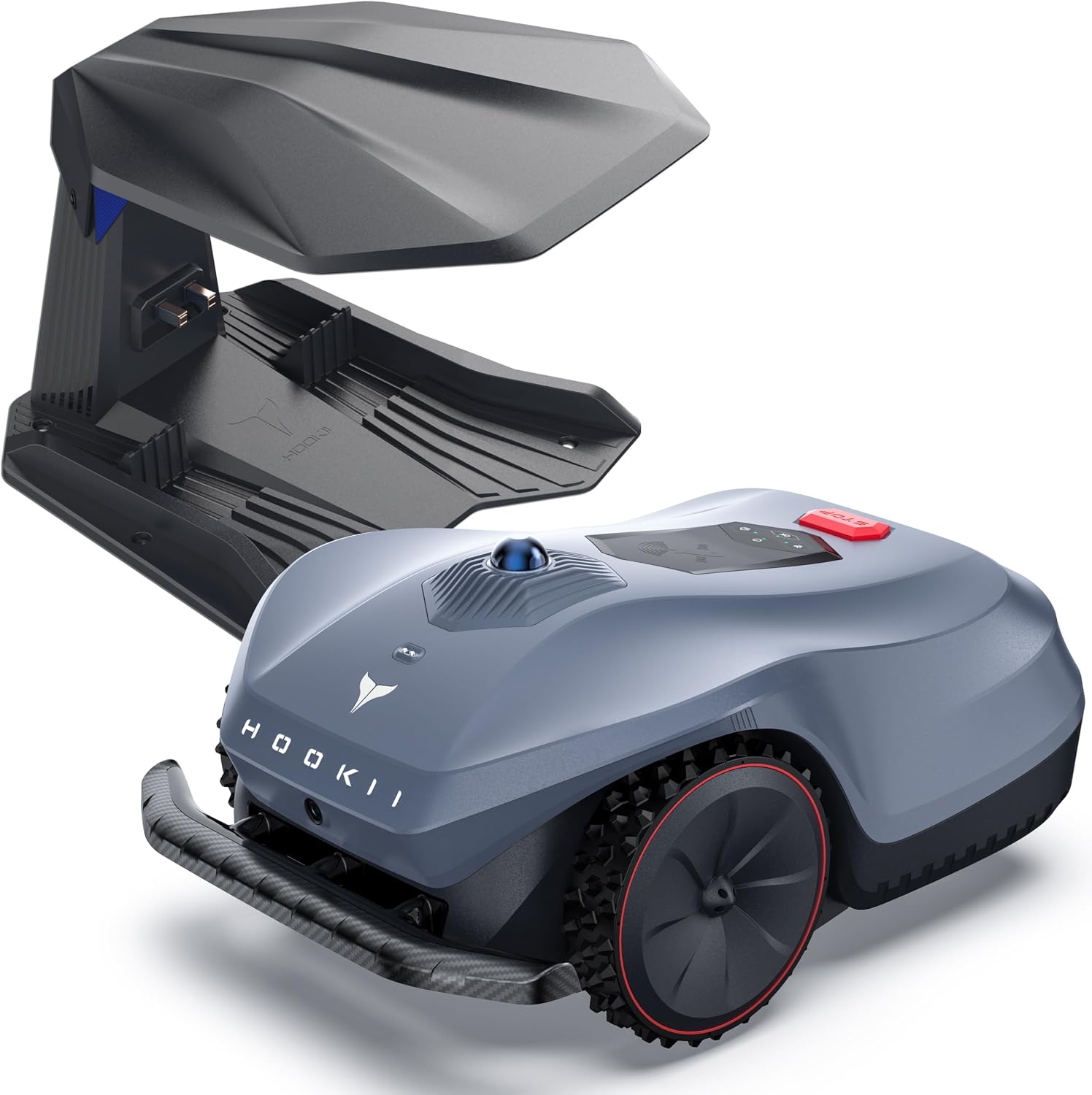
Neomow X SE 360° 3D LiDAR Navigation Robot Lawn Mower for 0.75 Acre
The only mower here whose acreage claim matches its navigation class; LiDAR maps without perimeter wire or an RTK base station
Highest cost of the group, and 0.75 acre still means an afternoon of dock placement and boundary mapping
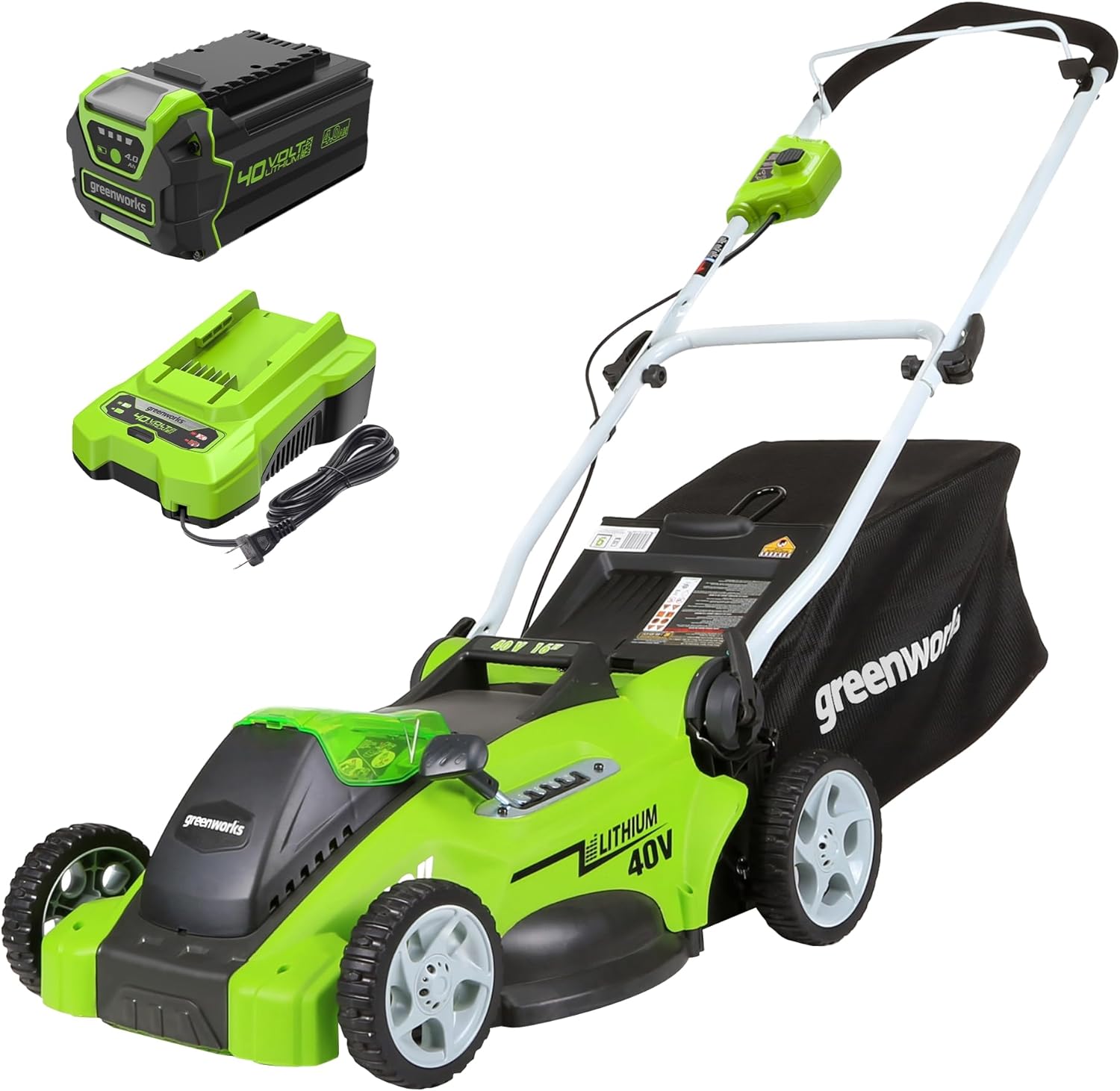
Greenworks 40V 16in Push Lawn Mower, 4.0 Ah Battery and Charger
Handles the tall spring growth, the fence line, and October leaf cleanup that a robot cannot
It is still a push mower, and a 16-inch deck means more passes
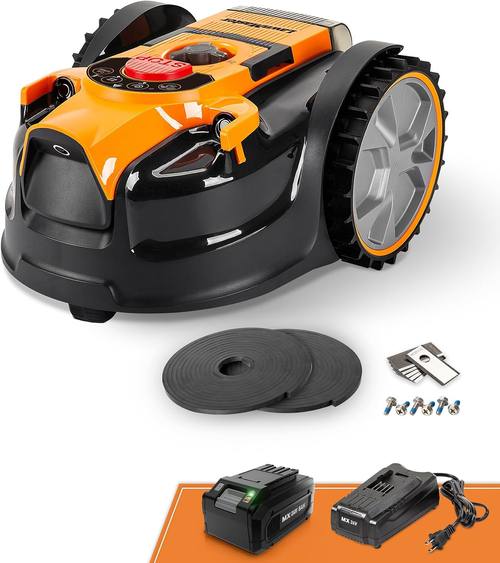
Robot Lawn Mower, Mows Up to 1/4 Acre, Updated 2026 Programming, Adjustable Cutting Height, Self Installation Kit Included, 50% Slope, Low Noise (65dBA) and Rain Sensor
Adjustable cutting height and a rain sensor suit a wet, fast-growing spring lawn
The self-install kit means wire, stakes, and a full setup day; slope ratings always deserve suspicion
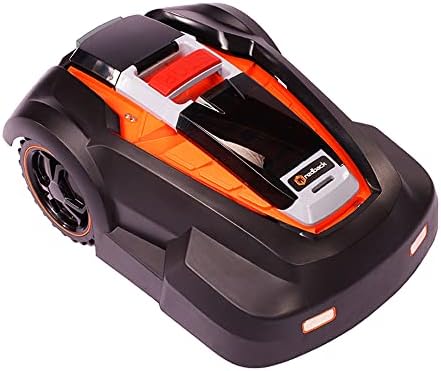
LawnMaster OcuMow™ MAX Perimeter Wire Free Robot Lawn Mower Cuts Small Lawns 2000-3500 Square Feet with Optical Navigation, Obstacle Avoidance, Low Noise and No Go Function
No perimeter wire to bury or splice, No Go zones handled in the app, sized right for a small suburban lot
Optical navigation depends on visible contrast, so deep shade and short winter days are the weak spot
Prices and availability were captured from Amazon Creators API and may change.
How I compared these four
A robot mower is a lawn system, not an appliance. So I did not rank these on features alone. I ranked them on four things that decide whether you still like the machine in July: how the machine finds its boundary, how much of your Saturday the install eats, how it behaves on wet grass and slopes, and what happens when something goes wrong at the edge of the map.
I am deliberately not printing prices, because they move and a stale number is worse than no number. Every price column above says the same thing for a reason: check the listing before you commit. What does not move is the install labor, and that is where these four separate cleanly.
Neomow X SE 360° 3D LiDAR Navigation Robot Lawn Mower for 0.75 Acre
LiDAR is the navigation story I am most interested in right now, because it solves the problem that has embarrassed positioning-based mowers for years. An RTK mower needs a clear view of the sky, and under a mature maple canopy it loses that view. LiDAR reads the world with light instead, builds a map of what is actually there, and does not care about tree cover or a cloudy afternoon. On paper, that is the right tool for a lot with obstacles and shade.
The 0.75-acre claim is the largest here, and it lines up with the navigation class. Bigger lawns need a mower that can hold a map and cover ground without wandering, and that is exactly what LiDAR is good at. A 360 degree scan also means the machine can see behind itself, which matters when it backs off a flower bed.
The trade-off is cost and setup. Wire-free does not mean install-free. You still need power at the dock, a clear approach lane, and a boundary you define in the app. On a lot this size, plan on an afternoon of mapping and a week of watching it to see where the map needs correcting. If your lawn is closer to a quarter acre, you are paying for acreage you will not use.
LawnMaster OcuMow MAX Perimeter Wire Free Robot Lawn Mower
This is the machine I would hand to the neighbor who says "I am not digging a trench in my yard." Optical navigation means cameras read the lawn, so there is no perimeter wire to bury, no splices to corrode, and no wire break to hunt for in year three. For a lawn in the 2,000 to 3,500 square foot range, which describes most suburban front-and-back pairs, that is a real simplification.
The No Go function is the underrated spec. Protecting a garden bed usually means running a wire loop around it. Doing that in the app instead is the difference between a two-hour install and a two-minute one, and it means you can change your mind about the bed layout without digging anything up.
My reservation is the same one I have about every camera-based system: optical navigation needs visible contrast. It works best on a lawn with defined edges and decent light. A deeply shaded side yard, or a late October afternoon when the sun is low, is where I would expect the machine to be less confident. Obstacle avoidance and low noise are welcome, but light is the variable you cannot fix with an app update. Small, open, well-defined lawns are the sweet spot.
The 1/4-acre robot with the self-install kit
This one is the traditionalist of the group: a robot rated to a quarter acre with an adjustable cutting height, a rain sensor, a 65 dBA noise figure, and a self-installation kit in the box. Adjustable cutting height matters more than people think in a Minnesota spring. When the lawn goes from dormant to shaggy in ten days, being able to raise the deck and take off the top third is how you avoid scalping.
The rain sensor is genuinely useful here, not a gimmick. Wet grass clumps, and a mower that docks itself during a shower saves you a clogged deck and a muddy robot. The self-install kit is the honest part of the listing: wire, stakes, and a Saturday. That is the real cost of this class of mower, and it is the reason so many people never get past the box.
The 50% slope rating is where I put on my skeptical hat. I have watched slope claims measured on dry turf turn into sideways sliding on wet grass, and Minnesota spring grass is wet for weeks. Treat any slope number as a starting point to test on your own hill, not a promise. If your slope is the reason you are buying, buy from a listing that lets you return it.
Greenworks 40V 16in Push Lawn Mower, 4.0 Ah Battery and Charger
Not a robot, and that is the point of including it. Every robot lawn mower has a blind spot: the strip along the fence, the corner behind the shed, the first cut of the season when the grass is too tall for a robot to chew through, and the October leaf drop. A 16-inch 40V push mower with a 4.0 Ah battery and charger covers all four jobs without a gas can, and it starts on the first press in April when nothing else wants to.
It is also the honest answer for a homeowner who will not do an install. If the thought of a perimeter wire, or of mapping an acre in an app, kills the whole idea, then a light battery push mower is not a compromise. It is the correct purchase. The trade-off is that the work is still yours, and a 16-inch deck means more passes than a 21-inch machine. For a quarter-acre lot with a couple of awkward zones, though, it pairs well with any robot on this list.
Wire, RTK, LiDAR, and optical navigation
Here is the pattern that has held across every install I have done. Perimeter wire is boring and it works. It does not care about clouds, tree cover, or the time of day, and a well-staked wire with sealed splices will outlast the mower. The cost is the install day, and the cost is that changing your layout means digging.
RTK is elegant and fragile. It gives you centimeter accuracy in an open field and nothing under a maple. LiDAR is the newcomer that fixes the tree-cover problem, at a price. Optical navigation, which is what the wire-free LawnMaster uses, is the middle path: no wire, no base station, and a dependence on light and contrast that you cannot engineer around.
Then there are the costs nobody advertises. Blades are the hidden expense: cheap blades dull in a month and start tearing grass instead of cutting it, which stresses the lawn and leaves brown tips. Dock placement decides whether your robot parks reliably at dusk. And the app is a feature, not the mower. If scheduling fails after a firmware update, you own a very slow Roomba.
Which one for which lawn
A small suburban lot, roughly a quarter acre or less, with a garden and a dog: the wire-free LawnMaster OcuMow MAX is my first pick, because skipping the wire is worth more than any spec sheet advantage. Add the push mower for edges and the spring cleanup and you have a complete system for less than the price of one premium robot.
A quarter acre with open sky and no interest in mapping: the wired robot with the self-install kit is the value play, especially with the rain sensor and adjustable height. Budget the Saturday for the wire, and test the slope claim on your own hill during the return window.
A 0.75-acre property with shade and obstacles: the Neomow X SE is the only machine here built for that job, and the LiDAR navigation is the reason. You are paying for acreage and for a map that survives a tree canopy. If your lot is smaller, that money is better spent elsewhere.
What I am watching next
Two things. First, the market is heading toward hybrid navigation, wire for the boundary plus LiDAR or vision for the detail, because no single system has won yet. Second, blade technology is the next premium tier. Self-sharpening blades would remove the most annoying recurring cost in this category, and the first brand that gets them right will charge for it.
For now, the boring advice stands: buy for your install conditions, not for the biggest acreage number on the box, and let the robot mow daily. A cheap mower running every day beats an expensive one running once a week. That has been true since I installed my first one, and it is still true in 2026.