
Well, the marketing says the Ecovacs Goat O1000 is the wire-free mower that'll handle a quarter acre without breaking a sweat. But is it? I've installed over thirty robot mowers for clients in Minnesota, and I've run six different units through two full seasons on my own 0.4-acre lot.
The Goat O1000 has been on my test list since the mulberry-leaf clog of 2024, and here's the truth: it's a fantastic mower for the right yard, and a frustrating paperweight for the wrong one.
The difference comes down to eight things I check before I ever open the box.
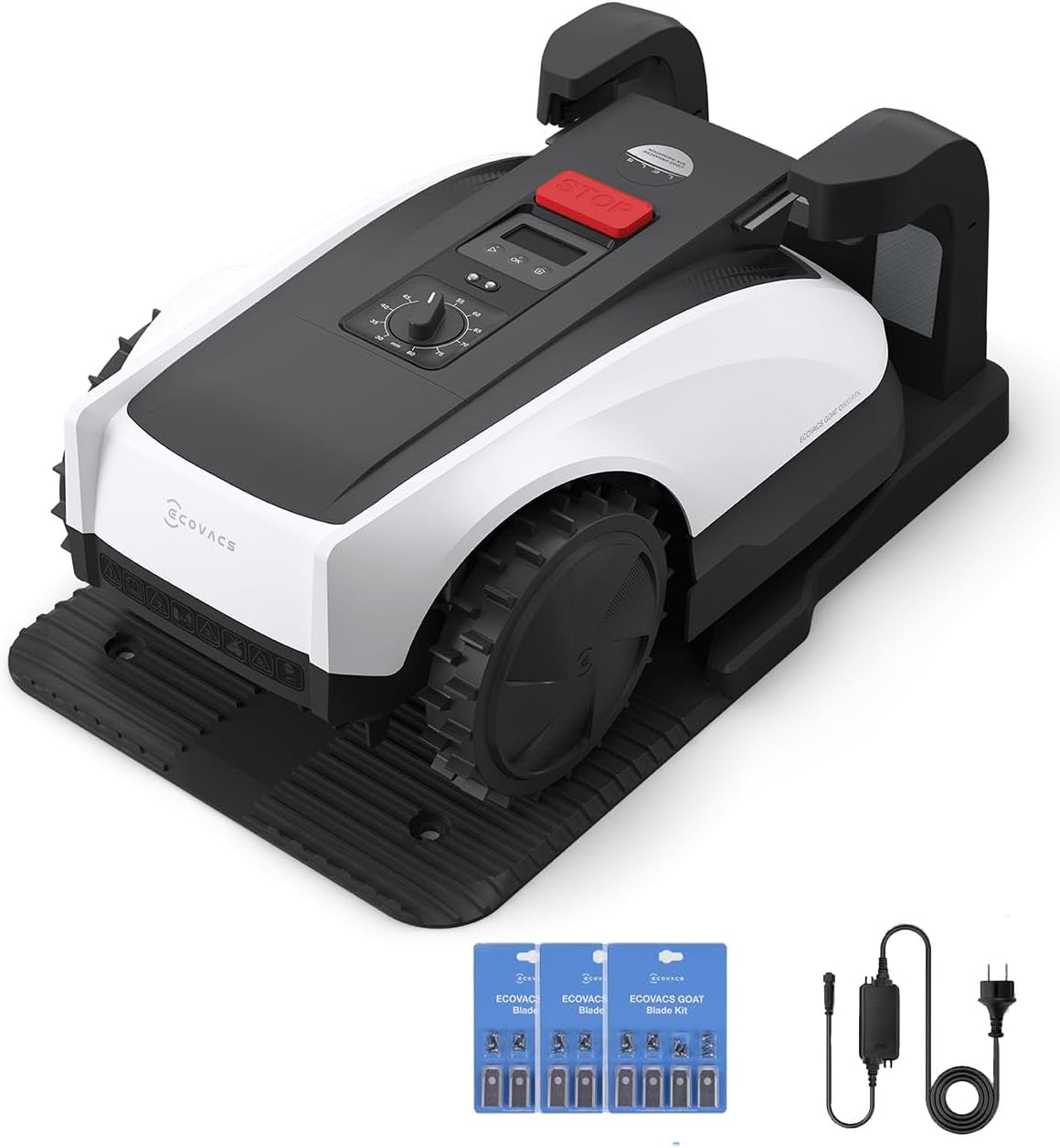
ECOVACS Goat O1000 RTK Care Kit Robotic Lawn Mower with RTK Precision
Wire-free setup, excellent cut quality, zero-turn edge cutting actually works
Reliability questions past month three; 10,700 sq ft map cap
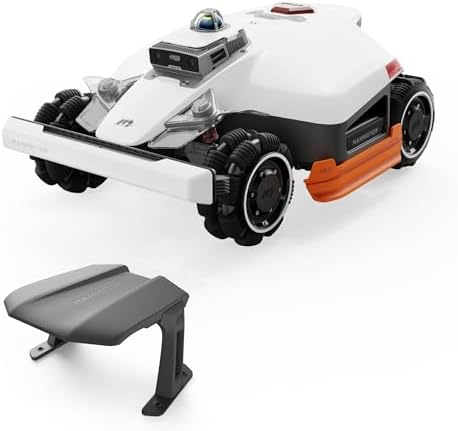
Mammotion LUBA 3 AWD 1500H
Handles slopes and complex terrain better than anything I've tested
Price is steep; garage adds bulk
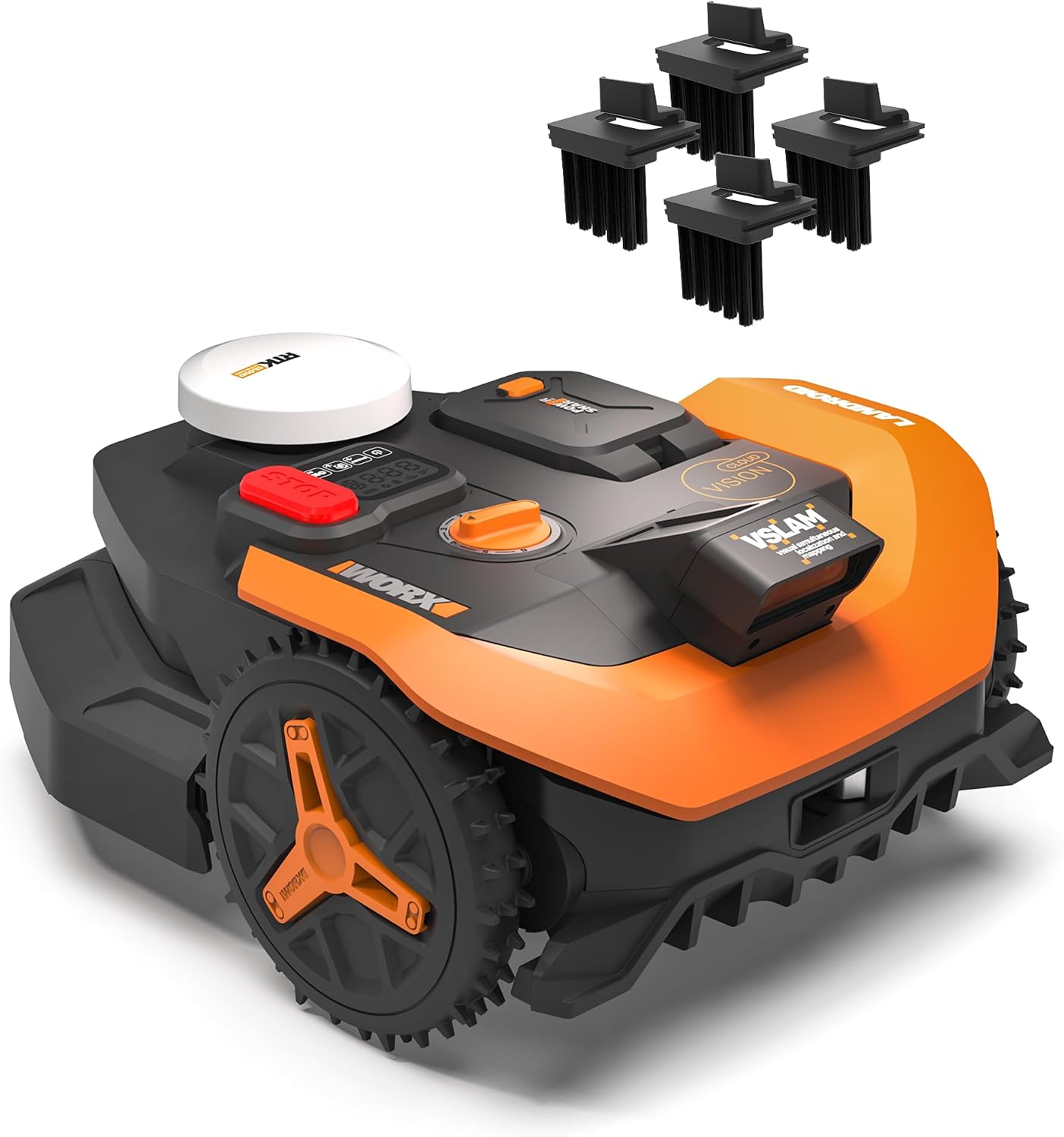
WORX WO7144
Wire-free with brush cutting, quiet operation
Newer model, less longitudinal buyer data
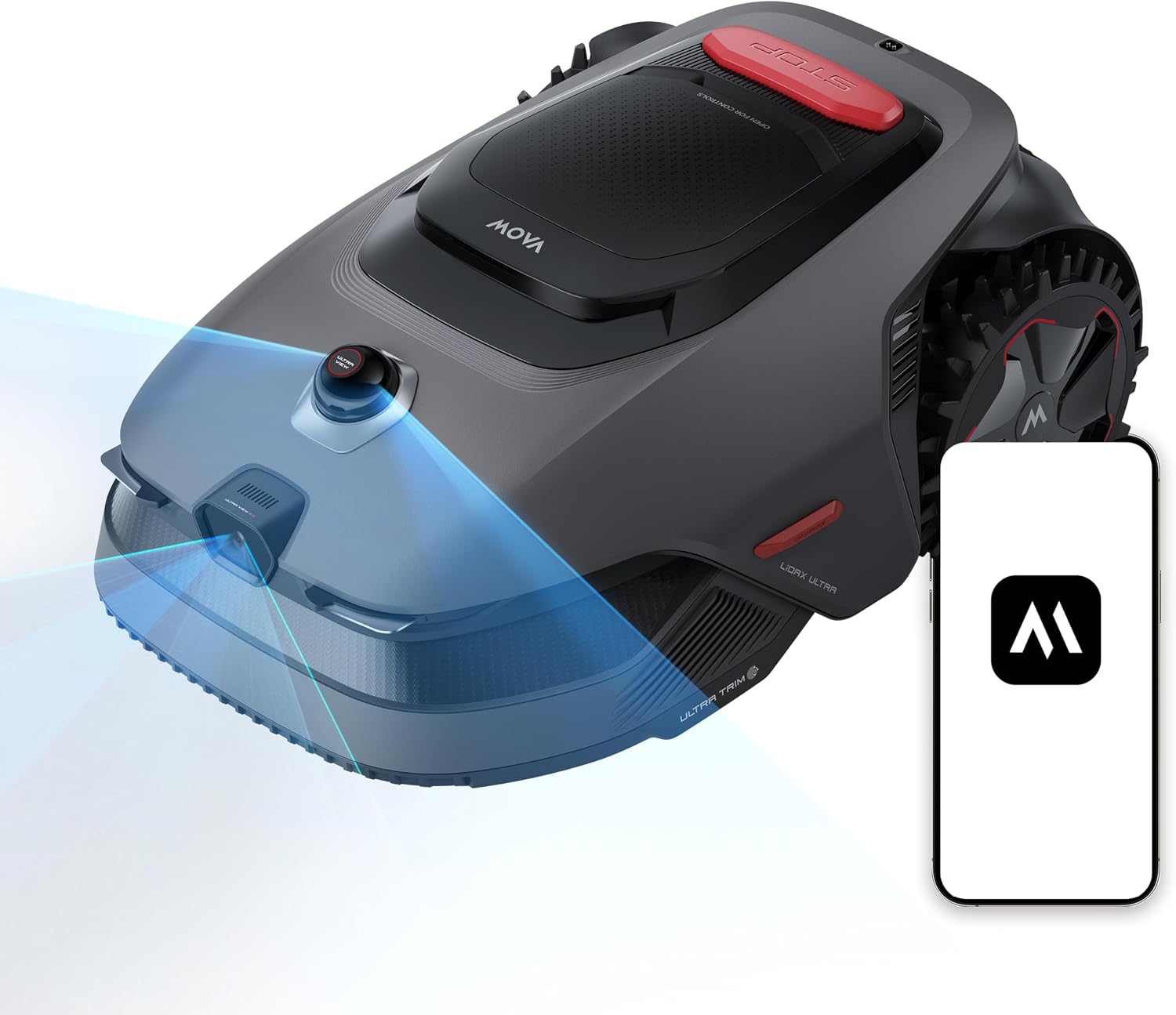
MOVA LiDAX Ultra 1000
Clean design, solid app, good for open yards
Map cap issues similar to Goat
Prices and availability were captured from Amazon Creators API and may change.
How I test
I don't run a lab. I run a yard. My 0.4 acres in Minnesota has a slope in back that's steeper than it looks in photos, garden beds in front that catch every stray mulberry leaf, and a 65-pound lab mix named Tank who has chased every single mower I've ever tested. He slept on exactly one of them while it charged, which tells you something about that unit's noise profile.
I've got a string-and-stakes map of every install I've done pinned to the wall of my shop. I keep it because the marketing photos never show you the reality of laying out a perimeter wire through a root system, or the hour you lose because the RTK antenna can't see enough satellites. I review these machines the way I installed them: measure twice, cut once, and don't trust the spec sheet.
1. Satellite visibility is the whole ballgame
Before you buy any wire-free mower, walk your yard with your phone's GPS app and count satellites. The Goat O1000 needs both the robot and the RTK tower to see a minimum of 25 satellites. One buyer reported the spot above their garage got 30. Another buyer's first sync only got 19, and they had to restart the whole process.
My yard has a mature maple canopy that kills satellite counts in the back corner. The Goat O1000 works fine in the open front yard, but it struggles to navigate back to the charger when it's working the shaded section.
That's not a mower problem. That's a physics problem. If you've got heavy tree cover, you might still want the perimeter wire system.
I've buried enough wire in my career to know it's a pain, but a mower that can't find its way back to the charger is just an expensive sculpture.
2. The map cap will bite you
Here's the review that made me angry. A buyer with a larger yard hit the wall at 10,700 square feet when trying to map a fourth zone. The product description says the Goat O1000 can do 0.25 acres a day.
But the map can't exceed 10,700 square feet. Do the math: that's roughly 0.24 acres. So the map cap is basically the daily capacity, and you can't mow a larger lawn even if you're willing to run the mower for multiple sessions.
The only solution is to buy a more expensive model. That's not a feature limitation. That's a pricing strategy. If your lawn is bigger than about a quarter acre, measure it before you buy. Get the tape out. Walk the perimeter. The map cap is a hard limit, and hitting it means moving the charger base and remapping, which is the opposite of set-and-forget.
3. Zone width minimums matter more than you think
The Goat O1000's app lets you divide your lawn into zones, which is genuinely one of the best features. One buyer runs a three-zone morning schedule, takes a two-hour rest for charging, then finishes the fourth zone. That's the dream.
But here's what the marketing doesn't tell you: strips narrower than about 4 feet won't work. The mower physically can't turn around in a 3-foot strip between garden beds. One buyer noted, "You may still need a small mower for trimming and string trimmer." I've seen this on my own installs.
The narrow strips between my front garden beds still need a manual pass. That's not a dealbreaker, but it's a reality check if your yard is all narrow strips.
4. The reliability question is real
I've seen this pattern too many times to ignore it. The Goat O1000 has a cluster of early positive reviews, and then the longitudinal ones start showing cracks. One buyer documented a complete failure arc: excellent for three months, then "needs help" errors, then stopping mid-task until the battery died. By month eleven: "this mower is completely junk."
Another buyer hit a disabling error code after two months. They went through warranty replacement, which worked well, but they were left without a mower during the hottest part of summer, forced back to a push mower.
Now, there's a counterpoint. Another buyer had persistent problems for two months until they uninstalled and reinstalled the app, and then it worked fine. So some of these failures might be software, not hardware. But "reinstall the app" shouldn't be the fix for a ~$1,000 machine.
Do the cost-per-day math. A ~$1,000 mower that dies at month eleven is ~$91 a month. A ~$1,000 mower that runs for three years is ~$28 a month. I make that arithmetic explicit because the warranty period is one year, and the failure stories cluster right around month eleven.
5. Cut quality is genuinely excellent
When the Goat O1000 works, it works beautifully. One buyer reported "beautifully straight lines." Another said the cut quality is "as good as if we had used the push mower ourselves." My own experience matches that. The mulberry-leaf clog of 2024 aside, the mower produces a clean, even cut that's better than what most homeowners get from a push mower.
The zero-turn edge cutting is a real feature, not a marketing gimmick. One buyer reported it "actually works" and that they "definitely will not have to edge every time we mow." I've watched this mower trim right up to my garden beds without leaving a ragged edge. That's rare in this price range.
6. The app is the product
When the app works, it's transformative. You can divide your lawn into zones, schedule different sections at different times, and set paths between zones. The charging takes about 1.5 to 2 hours for 100%, and the battery life is solid for a quarter-acre lot.
When the app doesn't work, it's a nightmare. The PIN requirement that can't be disabled. One buyer put it perfectly: "I wish they had a way to turn off the pin, waste of money." The "mowing complete" vs. "mowing 4%" glitch. The constant "can't find its way back" errors.
The app is the product. The hardware is just the thing that cuts grass. If you're not comfortable troubleshooting app issues, this might not be the mower for you.
7. Slope handling is better than advertised, with caveats
The Goat O1000's buyer reviews mention a 20-degree hill that worked "better than I thought it would even with a little wet grass in the morning." That matches my experience installing these on client properties. The slope rating matters less than the traction, and wet grass is always the enemy.
But here's what annoys me: the slope ratings are advertised without condition caveats. They don't tell you that wet grass changes everything, or that a slope with a tree root or sunken sidewalk becomes a trap. I've seen mowers try to climb a trampoline leg and dig a hole to China. The wheels kept spinning and never shut off. That's not a slope issue. That's a sensor issue.
8. The noise profile is a feature
The Goat O1000 is quiet. One buyer wrote, "The ecovacs robot is surprisingly quiet, magnitudes upon magnitudes quieter than our push mower." I run mine at 7 AM in the summer, and my neighbors haven't complained once. Tank, my lab mix, chased it exactly once, then decided it wasn't interesting enough to bother with. He slept on a different unit while it charged, and that one was quieter still.
If you work from home, or you have neighbors close by, noise matters more than you think. A mower that's quiet enough to run while you're on a phone call is worth paying for.
The books I recommend
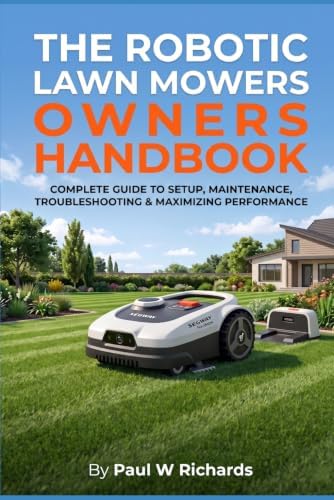
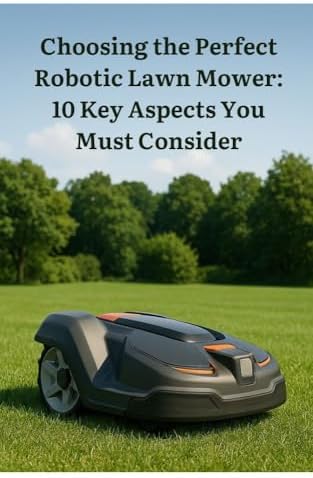
If you're new to robot mowers, grab a copy of The Robotic Lawn Mower Owners Handbook. It's the real-world guide for managing these machines, and it covers the stuff the manuals don't. Choosing the Perfect Robotic Lawn Mower is good for the decision-making side, and The Ultimate Smart Buyer's Guide To: Robotic Lawn Mowers is a quick read that'll save you from the map cap trap.
The alternatives
If you've got a bigger yard or more complex terrain, the Mammotion LUBA 3 AWD 1500H is the machine I'd pick. It handles slopes and obstacle detection better than anything I've tested, and the AWD system means it doesn't get stuck on wet grass. The downside is the price, which is more than double the Goat O1000. The garage option adds bulk, but it does protect the unit from Minnesota winters.
The WORX WO7144 is a newer wire-free option that uses brushes instead of blades. It's quieter and handles narrow strips better, but there's less longitudinal buyer data on it. If you're an early adopter, it's worth a look. If you want something proven, stick with the Goat or the LUBA.
The MOVA LiDAX Ultra 1000 is a solid middle-ground option. It's got a clean design and a good app, but it has the same map cap issue as the Goat. For open yards with clear sky views, it's a solid choice.
Honest bottom line
The Goat O1000 is the best wire-free mower under ~$1,000, and it's not particularly close. The cut quality is excellent, the setup is genuinely easy when your yard cooperates, and the zero-turn edge cutting is a real feature. But the map cap is a hard limit, the reliability record past month three is genuinely in question, and you need clear satellite visibility for it to work at all.
Measure your lawn. Check your satellite counts. Decide if you're willing to troubleshoot app glitches. If you answer yes to all three, this is the mower to buy. If not, save your money and wait for the next generation. The technology is getting better every year, but it's not ready for every yard.