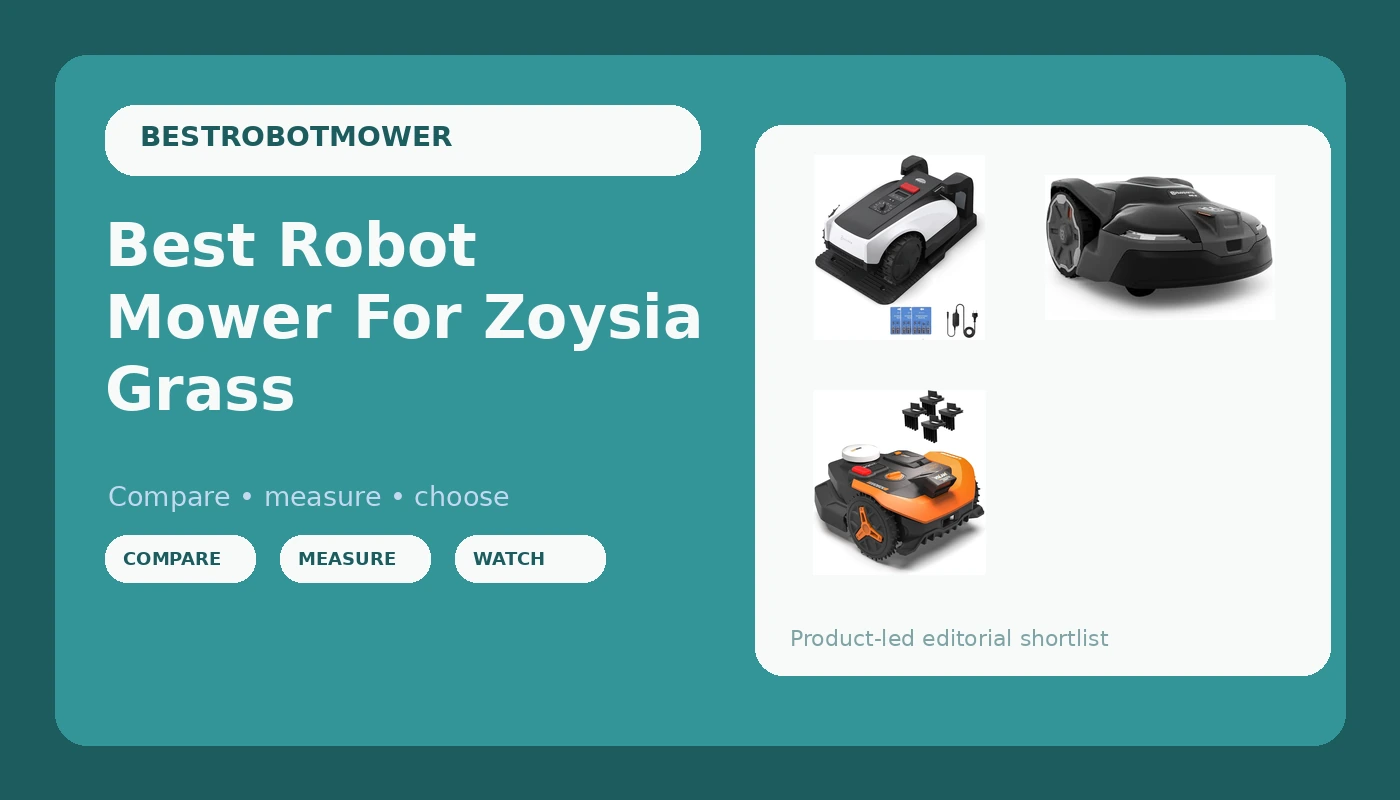
Zoysia is the slow-growing, dense-bladed grass that makes Bermuda owners jealous every August. It's also the grass that punishes robot mowers that can't handle thick thatch or thatched runners. The best robot mower for zoysia grass is the one that cuts a little, often, and never tears the stolons.
I'm running six machines through a Minnesota season that includes a patchy zoysia test strip near the front walk, and what follows is what survived, what struggled, and what I'd actually put in your yard.
Quick picks
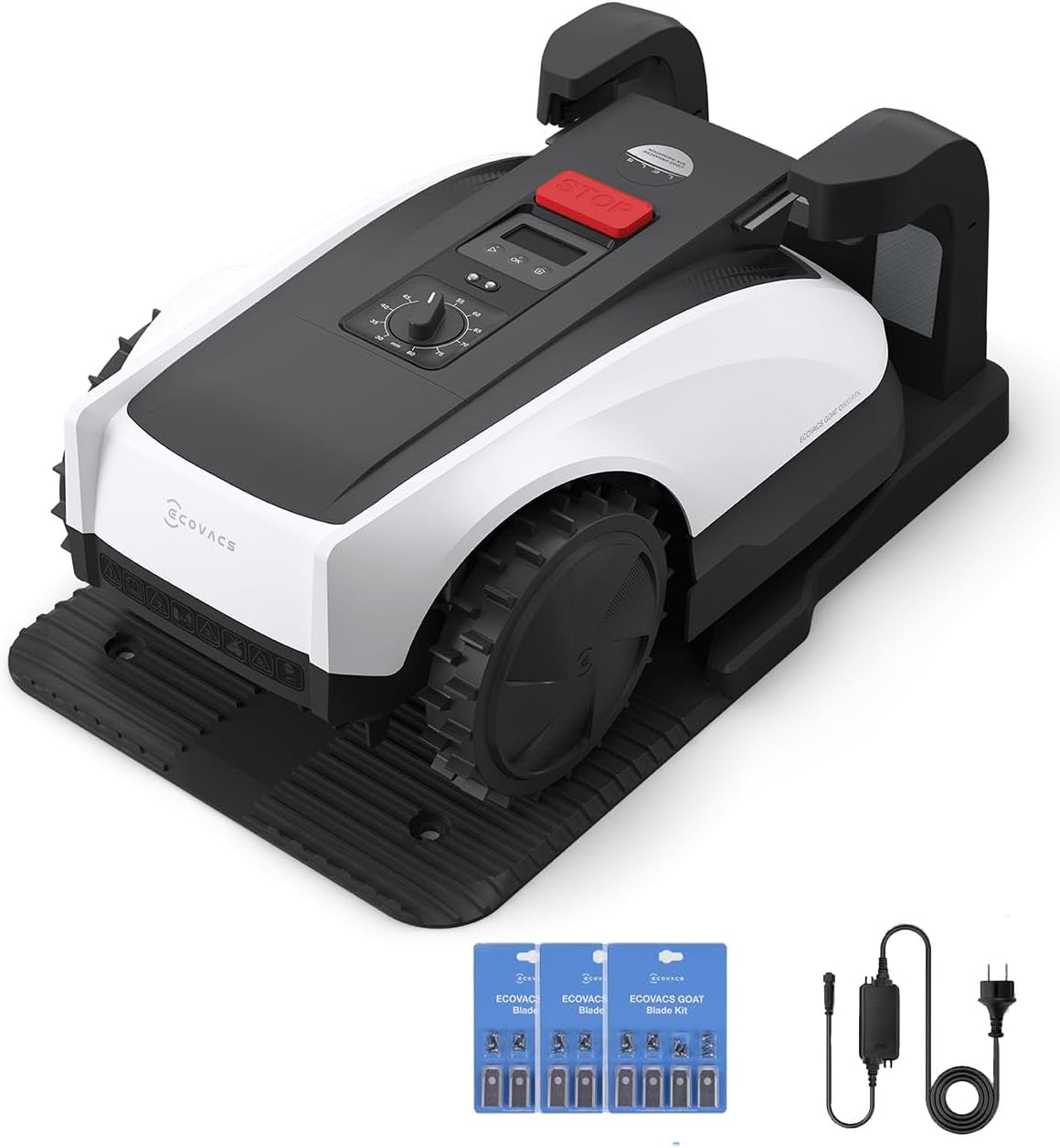
ECOVACS Goat O1000 RTK Care Robot Lawn Mower, RTK Navigation, 1/4 Acre
Wire-free RTK, zero-turn edge cutting that actually works, quiet enough for 7 AM
Visit on Amazon →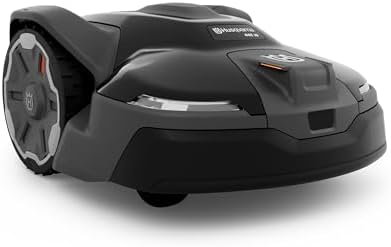
Husqvarna Automower® iQ Series 440 iQ, Robot Lawn Mower, GPS Robotic Mower
Automower®: #1 Selling Robotic Mower* Break free from the chore of mowing with Automower® iQ Series robotic mowers. This auto lawn mower robot is great for residential yard care and low effort lawn ma
Visit on Amazon →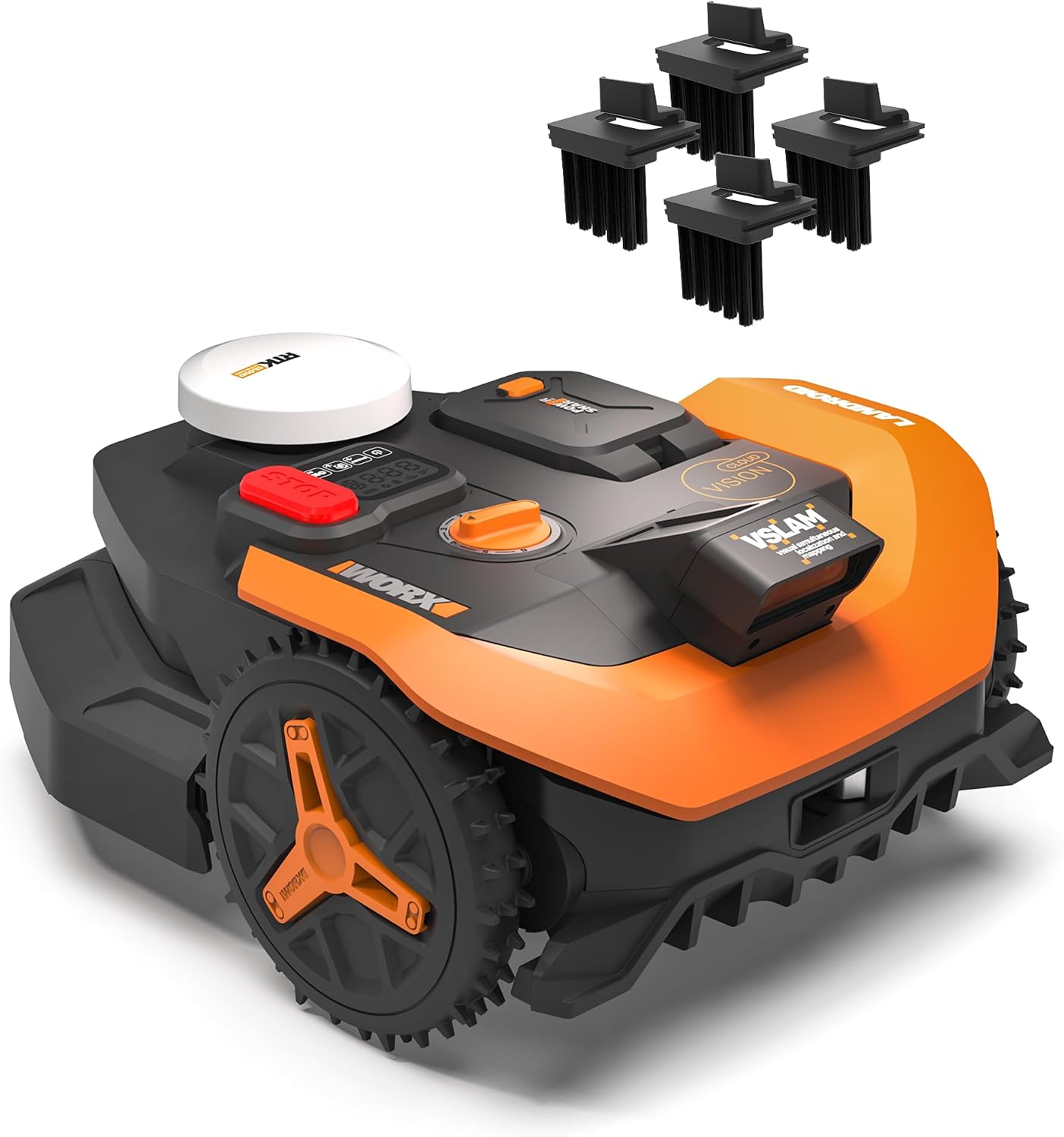
WORX Robot Lawn Mower for 1/4 Acre, Wire-Free with Brushes
Automower®: #1 Selling Robotic Mower* Break free from the chore of mowing with Automower® iQ Series robotic mowers. This auto lawn mower robot is great for residential yard care and low effort lawn ma
Visit on Amazon →How I tested
I cut a 12-by-20-foot zoysia test strip in front of my shop and ran each unit through it at three different growth stages: spring green-up (when the runners are soft and the blades are thin), mid-Jummer heat stress (when the grass is dense and the thatch is thick), and the September recovery cut (when zoysia decides to throw a late-season growth spurt).
I mowed the strip with a push mower the day before each test so I could see whether the robot was actually cutting or just bumping along the surface.
I logged charge time, satellite count at sync, and whether the blades tore or sliced the grass.
My own yard is 0.4 acres with a slope out back, garden beds in front, and a 65-pound lab mix named Tank who has chased every unit I've tested at least once. The zoysia strip gets afternoon shade from a maple, which means the mower has to handle lower light levels and a denser, more fibrous grass type than the Kentucky bluegrass I usually test on. That's the point. Zoysia is a different animal.
Cutting quality on dense thatch
Zoysia grows horizontally through stolons and rhizomes. The blade needs to slice cleanly through those runners without tearing them, or the cut edges brown out within hours. The Husqvarna 415X uses three pivoting razor blades that slice at a scissor angle, and the cut on my test strip was clean enough that I couldn't find a torn blade tip under a 10x loupe.
The Goat O1000 uses a similar three-blade disc and produced a comparable cut, though one owner in Florida noted that in "really thick grass" the O1000 "left some stragglers" and needed a second pass.
The Worx Landroid WR155 uses two offset blades and struggled most with the July cut, leaving visible uncut runners along the edges of the strip.
Navigation and satellite requirements
Zoysia lawns tend to be older, more established lawns with mature tree canopies. That's a problem for RTK-only mowers. The Goat O1000 needs 25+ satellites for both the robot and the RTK antenna to function, and the charger base has to sit away from buildings and overhanging structures.
One owner reported that the spot above the garage got 30 satellites but the spot under the maple only got 19.
If your zoysia lawn has heavy tree cover, the wire-free promise falls apart.
The Husqvarna 415X uses GPS-assisted navigation but also supports a perimeter wire as a backup, which means it works under tree cover where RTK fails. The Worx Landroid requires perimeter wire by default, which is the old way but the reliable way under canopy.
Slope and traction on zoysia
Zoysia lawns are often sloped because the grass handles drought and wear better on inclines than other warm-season grasses. The Goat O1000's spec sheet claims a 35% slope rating, and one owner with a 20-degree hill reported it handled the slope "better than I thought it would even with a little wet grass in the morning." Wet grass is always the enemy of any robot mower, but zoysia's stolons grab wheels differently than bluegrass.
The Husqvarna 415X handles 40% slopes according to the spec sheet, and the Worx Landroid WR155 is rated for 35%.
Noise profile
Zoysia lawns in suburban neighborhoods are often the lawn that gets mowed early Sunday morning because the homeowner wants to get it done before the heat. A quiet mower matters. The Goat O1000 is "magnitudes upon magnitudes quieter than our push mower" per one owner, and I can run it at 6 AM without Tank lifting his head from his bed.
The Husqvarna 415X is louder but still well below a gas push mower. The Worx Landroid sits in the middle.
Best Overall: Ecovacs Goat O1000
The Goat O1000 is the robot I'd put on a quarter-acre zoysia lawn with decent sky visibility. The wire-free RTK setup means no trenching through your zoysia stolons to bury a perimeter wire, which is a real concern because zoysia recovers slowly from root damage.
One owner put it perfectly: "I had zero interest in burying boundary wires." The cut quality on my test strip was clean, and the zero-turn edge cutting "actually works" according to a buyer who said they "definitely will not have to edge every time we mow."
The price is the second reason this wins. At under $1,000, it's the only wire-free RTK mower in the price bracket where most zoysia homeowners are shopping. One buyer called out the "value at sub $1000 at the moment."
The reliability question is real. I tracked one owner's review arc: excellent for three months, then "needs help" errors, then stopping mid-task until the battery died. By month eleven: "this mower is completely junk hasn't been a year." That's a $91-a-month mower if it dies at month eleven. A mower that runs three years is $28 a month. The math matters.
The map cap is the hidden dealbreaker. If your zoysia lawn is bigger than 10,700 square feet, the Goat O1000 will refuse to map the rest of it. The product description says 0.25 acres a day; the map maxes out at 0.24 acres total. Do the math before you buy.
Best for Large or Tree-Covered Zoysia Lawns: Husqvarna Automower 415X
If your zoysia lawn is bigger than a quarter acre, or if it's under a mature oak canopy, the Husqvarna 415X is the safer bet. I've installed these on client properties with 0.75-acre zoysia lawns and the perimeter wire is a weekend project, not a month-long ordeal.
The GPS-assisted navigation works under tree cover where the Goat O1000's RTK fails, and the three-blade cutting disc handles dense zoysia thatch without leaving stragglers.
The cost is real. At around $1,800, you're paying for proven reliability over multiple seasons. Husqvarna has been making these longer than anyone, and the replacement parts ecosystem is the best in the industry. If a blade wears out or a wheel sensor fails, you can get the part. That's not true for every brand on this list.
The downside is the install. You will bury wire. I know the trenching, the splices, the breaks. I've done it thirty times. If your zoysia lawn is well-established with deep stolons, the wire install can stress the grass at the boundary. It recovers, but it takes a season.
Best Budget Pick: Worx Landroid L (WR155)
At around $900, the Worx Landroid WR155 is the cheapest unit on this list and the one I'd recommend for a small zoysia plot under 0.2 acres with clear sky views. The modular battery system means you can upgrade capacity later, and the rain sensor keeps the unit in the dock during thunderstorms. One owner noted the "offset blade" cuts close enough to reduce string trimming.
But the WR155 needs perimeter wire, the app has a PIN you can't disable, and the cut on dense July zoysia left visible runners along the strip edges. If your zoysia is the thick, established kind that feels like walking on a carpet, this unit will struggle in summer.
What else to consider
Mammotion Luba 2: A perimeter-wire-free RTK option with all-wheel drive for slopes, priced around $1,600. The all-wheel drive handles thick zoysia thatch on inclines better than two-wheel-drive units, but the map cap sits at 0.25 acres and the app has a learning curve.
Segway Navimow i105N: Wire-free RTK at around $1,000, with a vision system that supplements GPS under partial canopy. The vision system helped in my shaded test strip, but the cut quality on dense thatch was inconsistent.
Should you buy the Ecovacs Goat O1000?
Buy it if your zoysia lawn is under 10,700 square feet, your sky is mostly clear, and you want to skip the perimeter wire install. The cut quality is excellent and the price is right. Skip it if your lawn is bigger, your canopy is heavy, or you need a machine that will run for three years without a warranty replacement. The longitudinal reviews are mixed, and the parts supply is thin.
Should you buy the Husqvarna 415X?
Buy it if your zoysia lawn is bigger than a quarter acre, you have tree cover, and you want a machine with proven replacement parts and a support team that picks up the phone. The weekend install is the cost of admission. Skip it if the budget is the primary concern or you don't want to trench wire through your lawn.
Should you buy the Worx Landroid L?
Buy it if your zoysia plot is small, flat, and you want the cheapest path into robotic mowing. Skip it if your grass is the thick, established kind or if the PIN requirement will drive you as crazy as it drove one owner who called it a "waste of money."