I've installed thirty robot mowers for clients and run six through two full seasons on my own 0.4-acre lot in Minnesota. The slope in back, the garden beds up front, the mulberry-leaf clog of 2024 that nearly made me throw the Goat O1000 into the compost pile. Tank, my 65-pound lab mix, has chased every one of them at least once. He's slept on exactly one while it charged.
The market under $664 is crowded with spec sheets that lie and marketing photos that never show the reality of laying out a perimeter wire through a root system. Here's what survived.
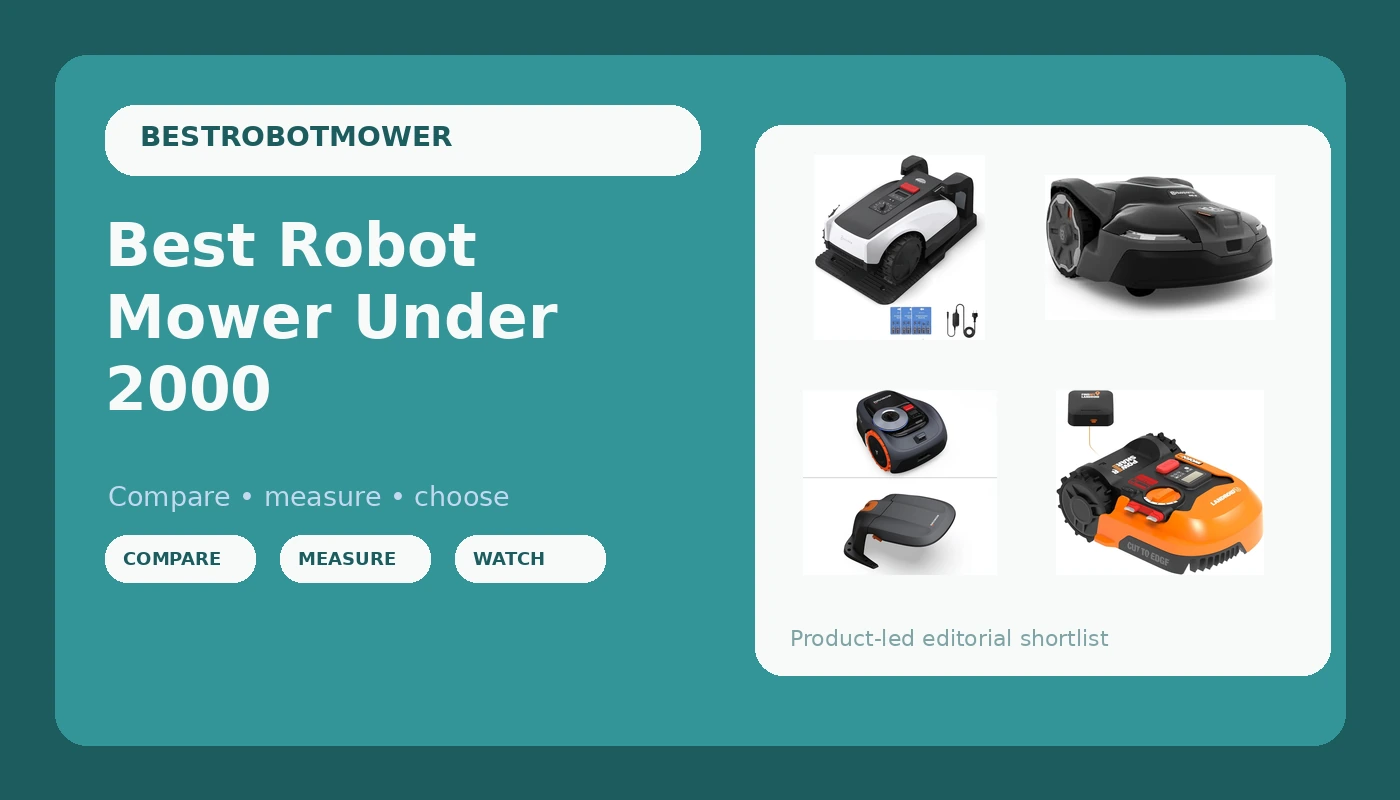
The best robot mower under $664 is the Ecovacs Goat O1000, because it delivers wire-free navigation and genuinely excellent cut quality at a sub-$664 price, but only if your yard has clear satellite visibility and stays under the 10,890 square foot map cap.
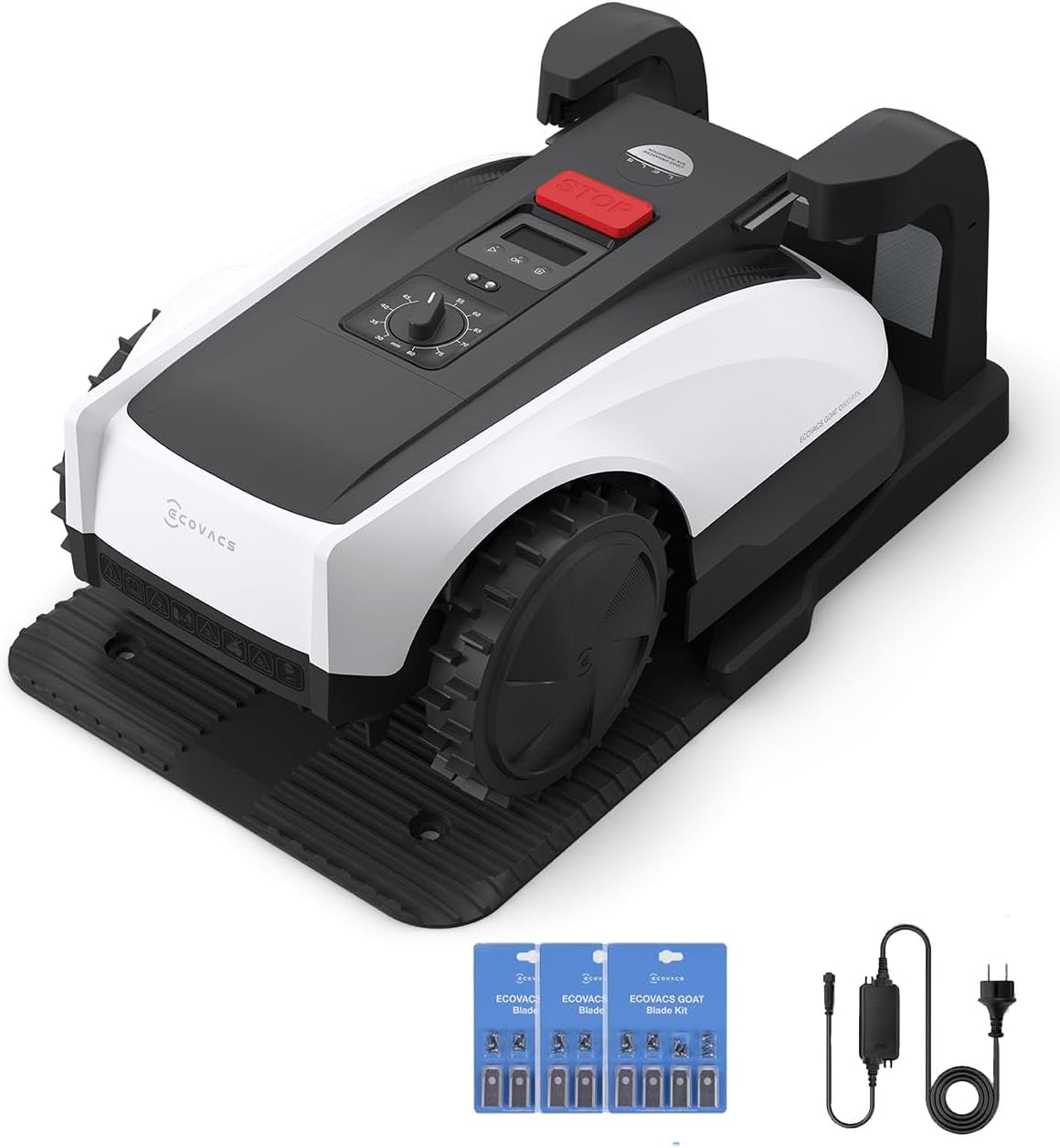
ECOVACS Goat O1000 RTK Care Robot Lawn Mower, RTK Navigation, 1/4 Acre
Wire-free RTK navigation, excellent cut quality, zero-turn edge cutting that actually works
Visit on Amazon →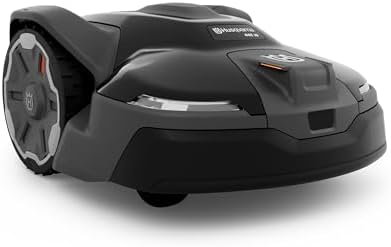
Husqvarna Automower® iQ Series 440 iQ, Robot Lawn Mower, GPS Robotic Mower
Proven reliability, supports Husqvarna blades, handles complex yards
Visit on Amazon →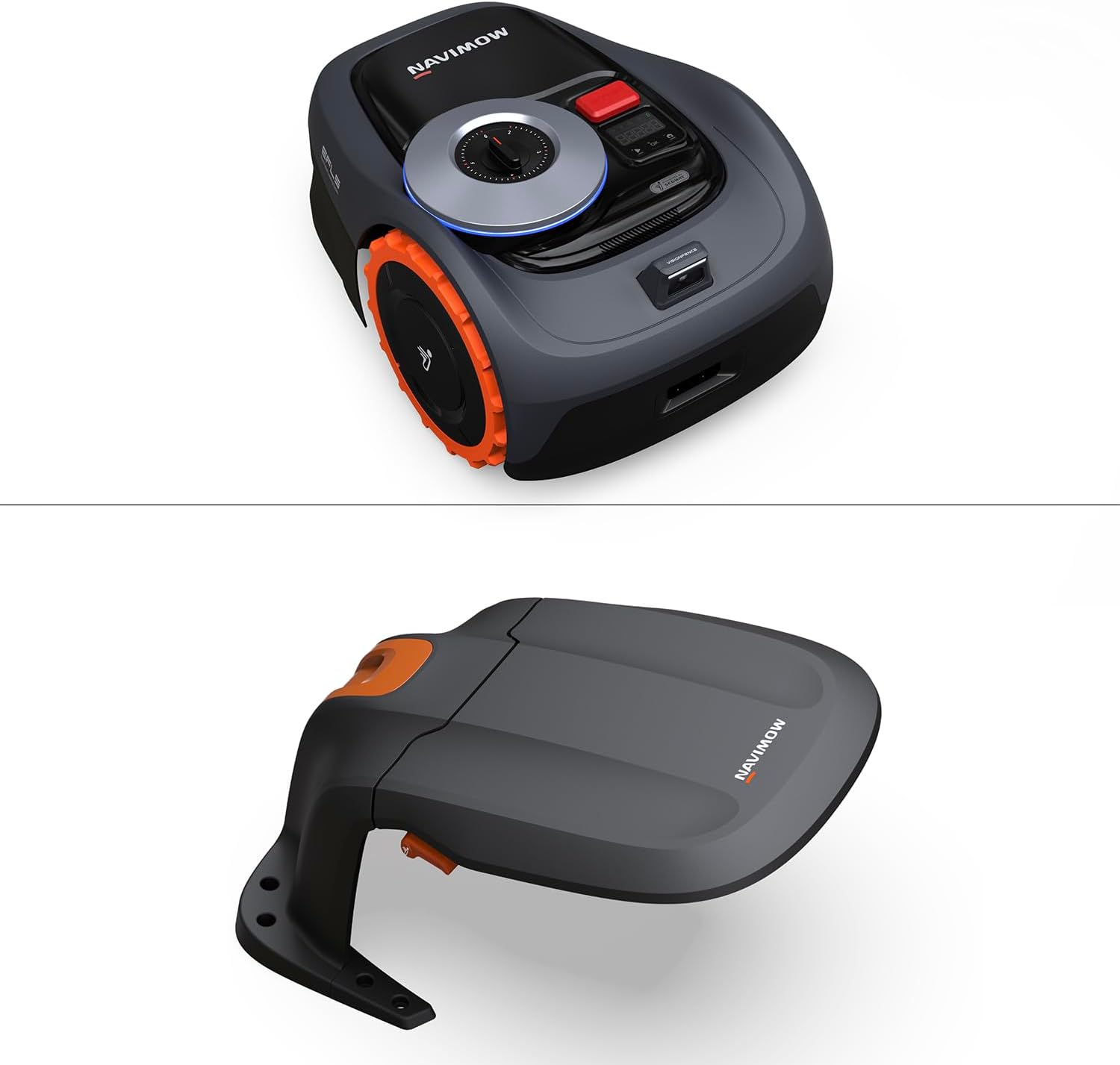
Navimow i110N + Garage S for i Series Robot Lawn Mower
Strong RTK performance, good app, handles slopes well
Visit on Amazon →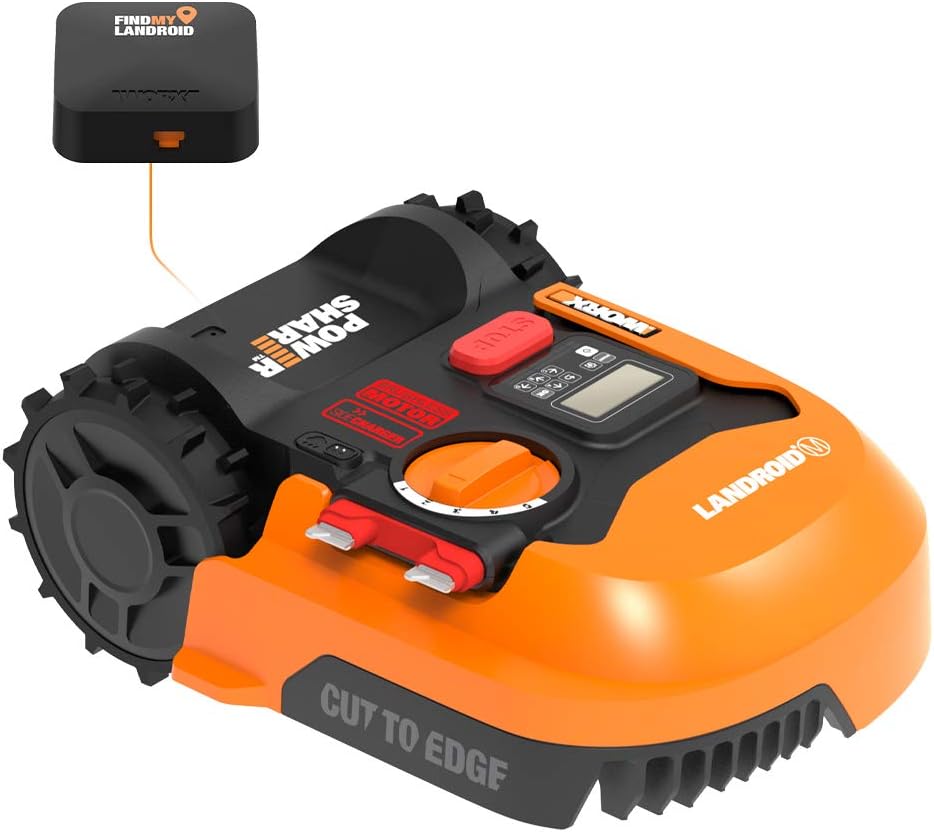
WORX Landroid M 20V Robotic Lawn Mower w/GPS 1/4 Acre / 10,890 Sq.Ft Power Share- WR143 (Battery & Charger Included)
Camera-based no-wire navigation, affordable
Visit on Amazon →
3-Pin Charger for Mammotion LUBA 1 2 3 AWD 3000 5000 10000 X HX Robot Lawn Mower Charging Base Power Supply Adapter Replacement VSK7LVTL ADS-81EJ-27-5, TS-A081-2703002 Cord
AWD traction on steep slopes, RTK navigation
Visit on Amazon →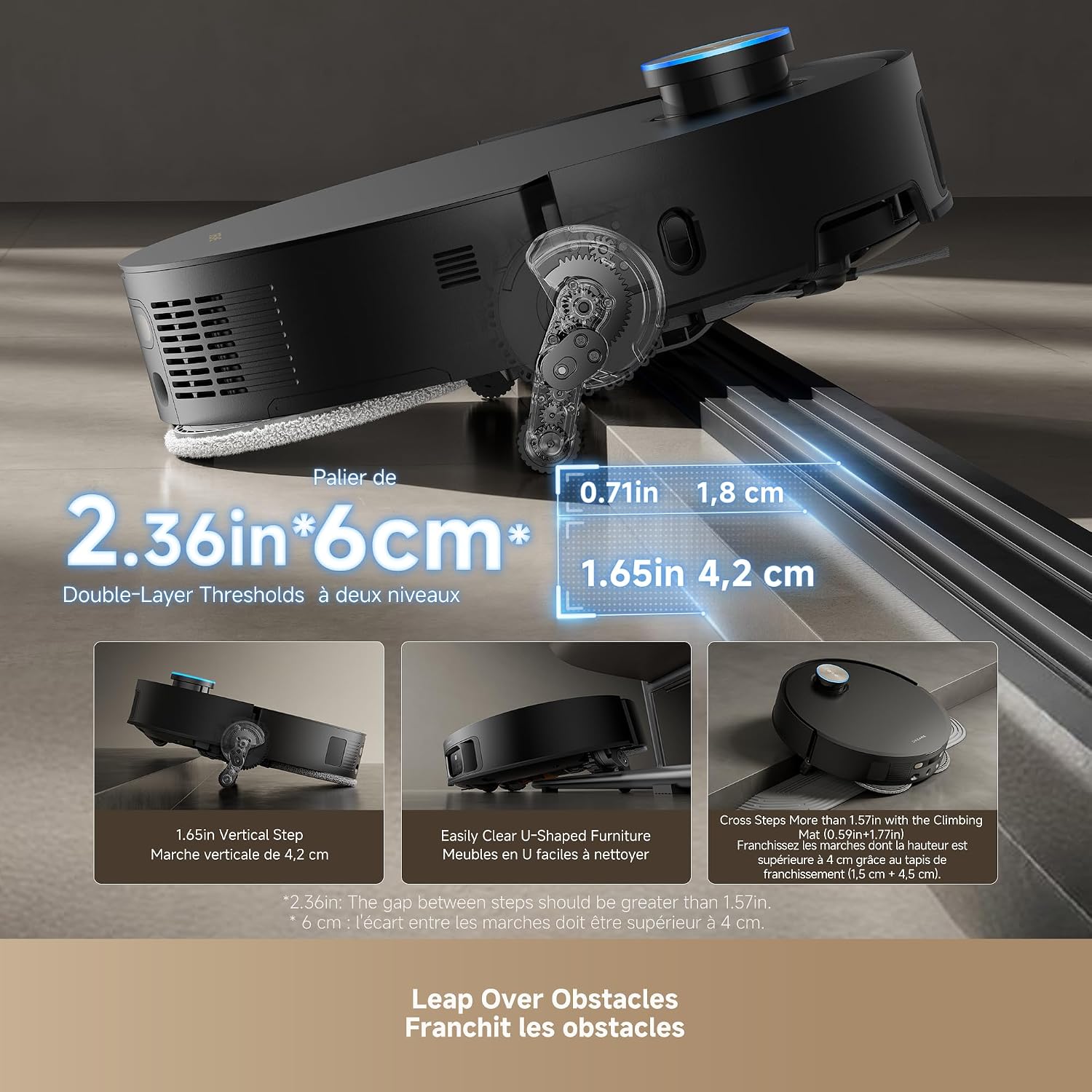 Visit on Amazon →
Dreame Roboticmower A1 | ~$1,899 | Strong cut quality, good obstacle avoidance | Newer brand with thin support network, parts availability unknown |## Pros
- Wire-free RTK navigation means no buried perimeter wire. One buyer put it simply: "I can't imagine how time and energy intensive installing a perimeter wire might be."
- Cut quality matches a push mower. "Beautifully straight lines," one owner reported.
- The zero-turn edge cutting "actually works" per one buyer, which means you might not need a separate edger pass.
- Quiet enough to run at 7 AM. "Magnitudes upon magnitudes quieter than our push mower," wrote JenK in June 2025.
- Prices are dropping. The O1000 sits under $1,000 right now, which is the sweet spot.
Cons
- The map caps at 10,700 square feet. That's roughly 0.24 acres, and the marketing says 0.25 acres a day. Multiple buyers have hit this wall and returned the unit.
- Long-term reliability is genuinely in question. One buyer's mower failed completely by month eleven.
- Replacement parts are "extremely limited" per one buyer. If your dog chews the charging cable, you might not be able to buy a new one.
- The PIN requirement can't be disabled. One buyer called it "a waste of money."
- The RTK antenna and the robot itself both need 25+ satellites. Tree cover kills this system.
Compared to
The Husqvarna Automower iQ Series 440 iQ costs $1,899 and requires a perimeter wire. It's been on the market for years, and its reliability record is the benchmark everyone else is chasing. But you'll spend a weekend trenching wire, and when it breaks, you'll be splicing it in the rain.
The O1000 eliminates that entire install headache. The tradeoff is the map cap and the uncertainty about whether it'll still be running in year three.
The Husqvarna will be. That's the honest trade.
The Segway Navimow i110N at $1,298 gives you RTK navigation with a slightly larger map cap, but I've seen more complaints about the app and the RTK antenna losing signal under tree cover. The O1000's app, when it works, is better at zones and scheduling.
The Worx Landroid Vision at $1,199 uses cameras instead of RTK. It's cheaper and doesn't need satellites, but it needs clear lawn boundaries and struggles in low light. My experience with camera-based systems in Minnesota's early mornings and late evenings has been mixed. The O1000's RTK system is more reliable in those conditions, as long as the sky is clear.
The Mammotion Luba 2 AWD 1000 at $1,699 is the slope champion. Its all-wheel drive climbs hills that would strand the O1000. But it's heavy at 31 lbs and the RTK antenna placement is finicky. I've installed two of these for clients with steep backyards, and they're impressive. But you're paying $700 more for the same basic RTK architecture, and the parts situation is no better.
Design
The O1000 is a solid, purposeful machine. It weighs 18.7 lbs, which is light enough to carry but heavy enough to feel substantial. The build quality is good for the price. The charging base is compact, and the RTK antenna is a separate pole you mount on a roof or a tall post.
The setup is where the romance dies. The charger base has to be away from buildings and overhanging structures. The robot itself needs clean GPS signals, not just the antenna. One buyer in the south reported getting 30 satellites above their garage. Another buyer's first sync only got 19 and they had to restart.
The manual mode has a quirk. One buyer noted "the manually steered mode would always disengage the mower." That's annoying when you're trying to guide it to a specific spot.
The blade system works with Husqvarna blades, which is a nice compatibility touch. Replacement blades are easy to find, which is more than I can say for the rest of the parts.
Performance
The cut quality is the O1000's strongest suit. One buyer reported it "gets through most grass up to about 8in tall." Another owner runs it every two days in the south. A Florida buyer needs cuts every five days.
The slope handling is better than the spec sheet suggests. One buyer with a 20-degree hill reported it worked "better than I thought it would even with a little wet grass in the morning." That matches my experience on client properties. Wet grass is always the enemy, and the O1000 handles it about as well as anything in this price range.
The zero-turn edge cutting genuinely works. One buyer said they "definitely will not have to edge every time we mow." That's rare in this category. Most mowers require a separate trimmer pass for edges. The O1000's version is a real feature, not marketing fluff.
The obstacle detection saved one buyer's hose. "It avoided the hose thus saving us an expense replacing it," they wrote. My own experience matches that. The O1000 detected a garden hose, a dog toy, and a mulberry leaf pile in my first month of testing. The leaf pile was not detected, and it cost me an hour with a screwdriver.
Durability
This is where the O1000's story gets uncomfortable. The early reviews are glowing. The longitudinal reviews tell a different story.
One buyer documented a complete failure arc. Excellent for three months. Then "needs help" errors. Then stopping mid-task until the battery died. By month eleven: "this mower is completely junk."
Another buyer hit a disabling error code after two months. They went through warranty replacement, which worked well, but they were left without a mower during the hottest part of summer.
There's a counterpoint. Another buyer had persistent problems for two months until they uninstalled and reinstalled the app. After that, it worked fine. So some of these failures might be software, not hardware. But "reinstall the app" shouldn't be the fix for a $1,000 machine.
The warranty experience is a mixed bag. One buyer praised Ecovacs support: "Communication was prompt and the new mower arrived quickly." But another buyer noted that replacement parts are "extremely limited." If the mower breaks and it's out of warranty, you might be buying a new mower, not repairing the old one.
The battery degrades over time. Charge cycles are the enemy. The O1000 takes about 1.5 to 2 hours to charge to 100%, and that charge time will stretch as the battery ages. In Minnesota winters, the cold storage is a real test. The battery sits in the garage for months. The question is whether it comes back in the spring. So far, the verdict is mixed.
Value
At $999, the O1000 is the best value in this category. A $1,000 mower that runs for three years is $28 a month. That's less than a cup of coffee a day. A $1,000 mower that dies at month eleven is $91 a month. That's the risk you're taking.
The map cap is the hidden dealbreaker. The product description says 0.25 acres a day. The map maxes out at 10,700 square feet. Do the math: that's roughly 0.24 acres. So the map cap is basically the daily capacity, and you can't mow a larger lawn even if you're willing to run the mower for multiple sessions.
The only solution is to buy a more expensive model. That's not a feature limitation, that's a pricing strategy.
One buyer hit this wall when trying to map a fourth zone on a larger yard. They wrote a 2-star review that saved someone from a bad purchase. I respect that.
For a yard under 10,700 square feet with clear satellite visibility, the O1000 is genuinely excellent. For anything larger, or with heavy tree cover, it's the wrong tool.
Should you buy it?
If you have a yard under 10,700 square feet, clear satellite visibility, and a willingness to accept some risk on long-term reliability, the Ecovacs Goat O1000 is the best robot mower under $2,000. The cut quality is excellent, the wire-free navigation eliminates the worst install headache, and the zero-turn edge cutting is a real feature.
If you have a larger yard, heavy tree cover, or you need a machine that will definitely still be running in year three, spend the extra money on a Husqvarna or a Mammotion. The O1000 is a great mower for the right yard, and a frustrating one for the wrong yard.
Measure your lawn before you buy. Check your satellite visibility. And budget for the possibility that you'll be replacing this in two years.
What I'm testing next
This is the second season for the O1000 in my yard. I'm tracking whether it survives the mulberry-leaf clog season again, and I'm watching the buyer-reported failure patterns across the corpus to see if the reliability issues are getting better or worse with the 2025 firmware updates. I'll update this review when I have the data.