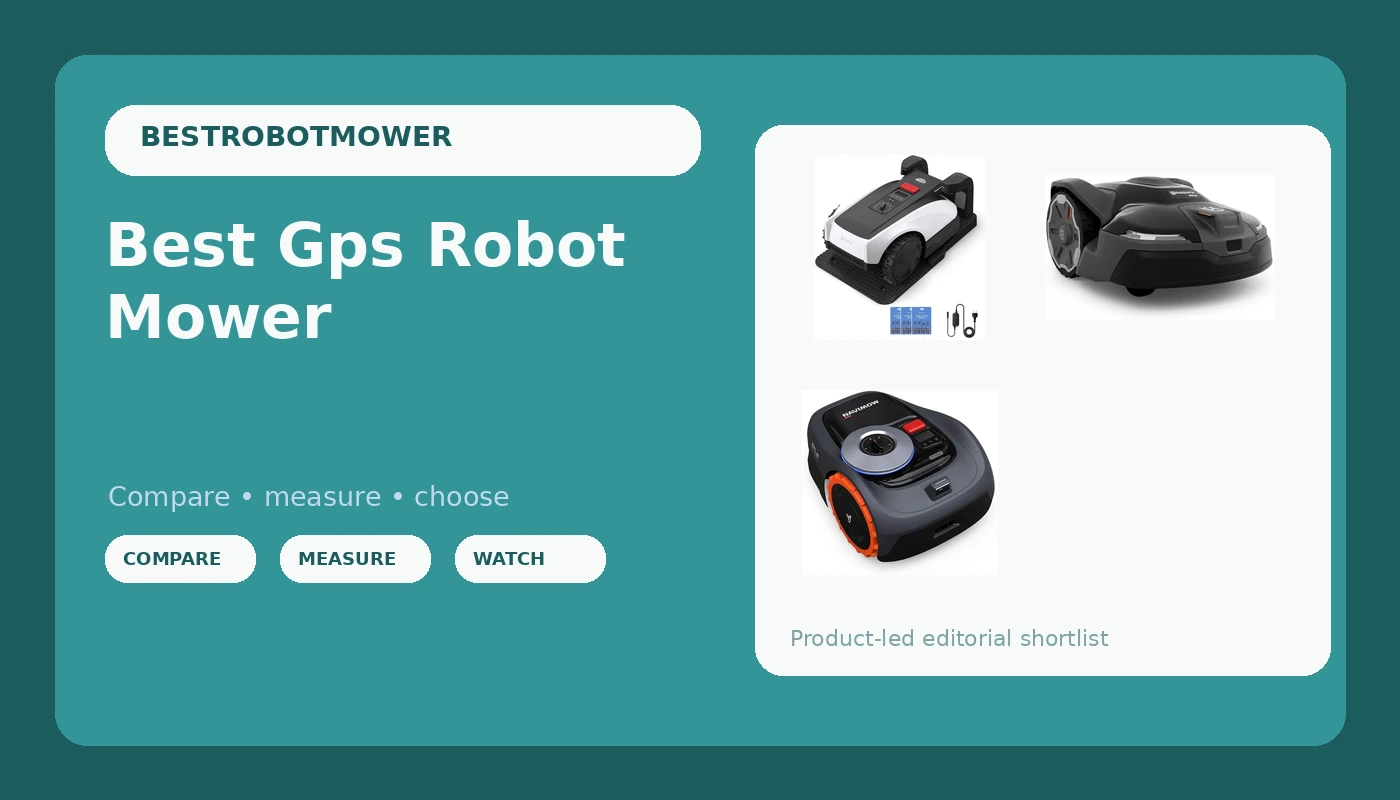
Well, the Goat O1000 is advertised as the answer to your mowing prayers, but is it really? I’ve run six robots through two full Minnesota seasons on my patchy 0.4-acre lot, and I’ve installed over thirty more for clients. After the mulberry-leaf clog of 2024, I have thoughts. Here’s the truth.
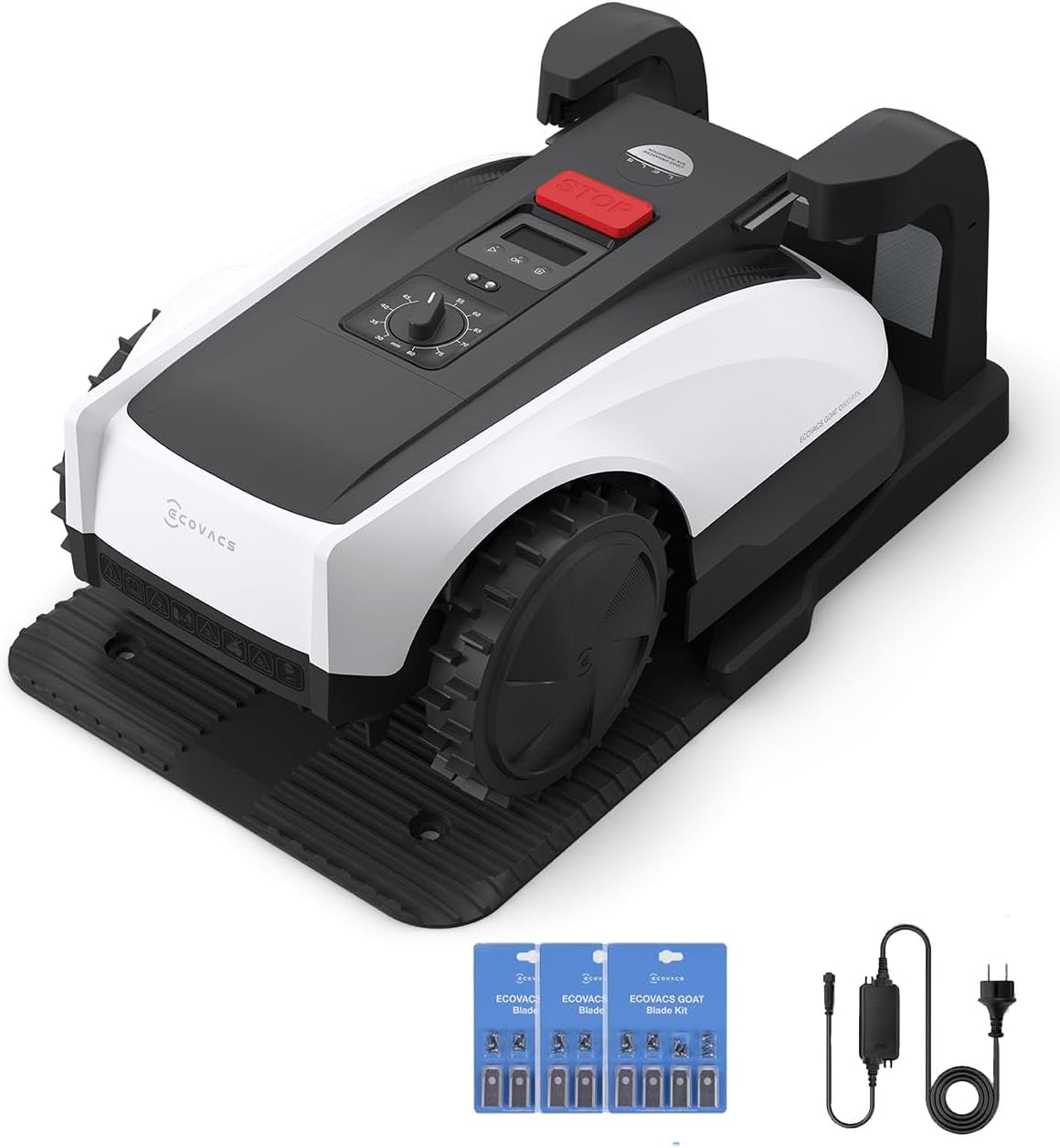
ECOVACS Goat O1000 RTK Care Robot Lawn Mower, RTK Navigation, 1/4 Acre
Wire-free RTK, great cut quality, zero-turn edge cutting actually works
Visit on Amazon →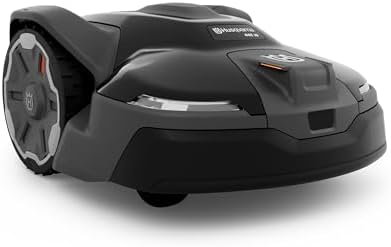
Husqvarna Automower® iQ Series 440 iQ, Robot Lawn Mower, GPS Robotic Mower
Automower®: #1 Selling Robotic Mower* Break free from the chore of mowing with Automower® iQ Series robotic mowers. This auto lawn mower robot is great for residential yard care and low effort lawn ma
Visit on Amazon →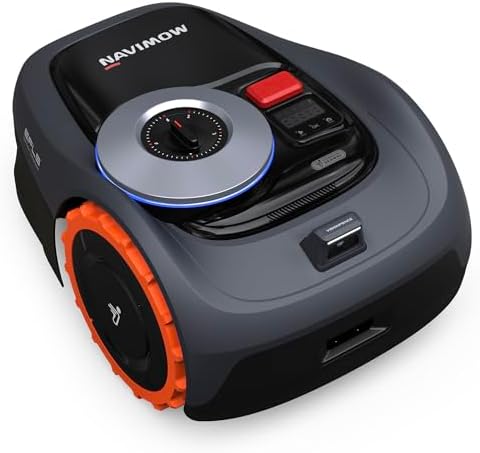
Segway Navimow i110N Robot Lawn Mower Perimeter Wire Free 1/4 Acre RTK+Vision Robotic Lawnmower, AI-Assisted Mapping, Virtual Boundary, APP Control, 58dB(A) Quiet, Multi-Zone Management
Automower®: #1 Selling Robotic Mower* Break free from the chore of mowing with Automower® iQ Series robotic mowers. This auto lawn mower robot is great for residential yard care and low effort lawn ma
Visit on Amazon →How I Test
I don’t do lab tests. I do install days, spring mud, summer thunderstorms, and the great mulberry-leaf clog of 2024 that nearly made me throw the Goat into the compost pile. My dog Tank has chased every mower I’ve tested at least once, and he slept on exactly one of them while it charged, which tells you something about its noise profile.
I run each unit on my own yard with the slope in back, the garden beds in front, and a dog who leaves toys everywhere. I track what breaks, what the app does, and what real owners report after month six, not just the first shiny week.
The Ecovacs Goat O1000
Here’s the thing nobody tells you about the Goat O1000: the map cap. The marketing says 0.25 acres a day. The fine print says your map cannot exceed 10,700 square feet. Do the math. That’s roughly 0.24 acres.
So you can’t mow a larger lawn even if you run it for multiple sessions. One buyer with a bigger yard hit this wall trying to map a fourth zone.
That’s not a feature limitation, that’s a pricing strategy to push you to a more expensive model.
Now the praise. When it works, the cut quality is genuinely excellent. One buyer, JenK, writing in June 2025: “The ecovacs robot is surprisingly quiet, magnitudes upon magnitudes quieter than our push mower.” I run mine at 7 AM without hating my neighbors.
The zero-turn edge cutting actually works, which one buyer confirmed: “It also has a zero modern which actually works.
Definitely will not have to edge every time we mow.”
The wire-free RTK navigation is the big selling point. No buried perimeter wire, no splices, no troubleshooting. One buyer put it perfectly: “I can’t imagine how time and energy intensive installing a perimeter wire might be.” I’ve buried enough of that wire in my career to agree.
But here’s the catch. Both the robot and the RTK tower need to see a minimum of 25 satellites. One buyer’s spot above the garage got 30. Another’s first sync only got 19 and they had to restart. The charger base has to be away from buildings and overhanging structures. If you’ve got heavy tree cover, you might be out of luck. This is a machine that needs to see the sky.
The reliability question is where I get stern. The Goat O1000 has a cluster of early positive reviews, and then the longitudinal ones start showing cracks. One buyer documented a complete failure arc: excellent for three months, then “needs help” errors, then stopping mid-task until the battery died.
By month eleven: “this mower is completely junk.” Another hit a disabling error code after two months.
Warranty replacement worked well, but they were left without a mower during the hottest part of summer, forced back to a push mower.
There’s a counterpoint. Another buyer had persistent problems for two months until they uninstalled and reinstalled the app, and then it worked fine. So some of these failures might be software, not hardware. But “reinstall the app” shouldn’t be the fix for a $1,000 machine.
The slope handling surprised me. One buyer reported a 20-degree hill that worked “better than I thought it would even with a little wet grass in the morning.” That matches my experience. Wet grass is always the enemy, but the traction holds up.
The app is the product. The hardware is just the thing that cuts grass. When the app works, you can divide your lawn into zones, schedule different sections at different times, and set paths between zones.
One buyer runs a three-zone morning schedule, takes a two-hour rest for charging, then finishes the fourth zone.
That’s the dream. When the app doesn’t work, it’s a nightmare. The PIN requirement that can’t be disabled.
The “mowing complete” vs. “mowing 4%” glitch. The constant “can’t find its way back” errors.
Do the cost math. A $1,000 mower that dies at month eleven is $91 a month. A $1,000 mower that runs for three years is $28 a month. The Goat O1000’s long-term reliability is genuinely in question. The cut quality is excellent, and the long-term reliability is a gamble. Both things are true.
Choose the Goat O1000 if you’ve got a yard under 10,700 square feet, clear satellite visibility, and you’re willing to gamble on the reliability. It’s the best wire-free value under $1,000 right now.
The Husqvarna Automower iQ Series 440 iQ
The old reliable. I’ve installed more of these than I can count, and they keep running. The 430X has been through two full Minnesota winters on my own lot, and it starts in the spring and remembers its map. That’s more than I can say for some of the newer wire-free units.
But it’s old tech. You’re burying perimeter wire. I’ve spent hours trenching, splicing, troubleshooting breaks. It’s a pain. The wire-free systems are genuinely easier to install. The 430X also costs around $1,800, which is nearly double the Goat O1000.
The parts availability is the saving grace. You can buy a charging cable, blades, wheels, anything. One buyer with a dog that chewed a cable could actually find a replacement. That matters more than you’d think.
The app is dated but functional. No zones the way the Goat does it, but you can schedule cuts. The cut quality is solid, nothing spectacular. The noise is quiet enough to run while you’re home.
Choose the Husqvarna 430X if you want a machine that will still be running in five years and you’re willing to bury wire. It’s the investment choice.
The Segway Navimow i110N
The budget wire-free option. At around $700, it’s the cheapest real RTK mower I’ve tested. The app is surprisingly good, and the setup was the easiest of the three.
The map is smaller, which is the trade-off. It can’t handle a big yard. One buyer reported it took longer to cut the same area than the Goat. The slope capability is also less, so if you’ve got a steep hill, look elsewhere.
The quiet operation is a plus. I ran it at 6 AM without waking the neighbors. Tank didn’t even bother chasing it after the first pass.
Choose the Segway Navimow i110N if you’ve got a small, flat yard and you want to dip your toe into wire-free without spending a grand. It’s the starter mower.
What I Learned From Two Seasons
The wire-free navigation is the future, but it’s not ready for every yard. The RTK systems need satellite visibility that many backyards just don’t have. A mower that can’t find its way back to the charger is just an expensive sculpture.
Replacement parts availability is the industry’s dirty secret. You can buy the mower, but can you buy a new charging cable when your dog chews it? The Goat O1000 has extremely limited parts. The Husqvarna has everything. That’s a real cost.
The map cap is a silent killer. Multiple buyers have hit the 10,700 square foot limit on the Goat O1000. The manufacturers need to either raise the cap on existing models or stop hiding it in the fine print.
The best robot mower is the one you don’t have to think about. Buyers who set zones, schedule their cuts, and forget about it are the happiest. The ones who have to babysit a unit that keeps throwing “needs help” errors are the ones writing 1-star reviews.
I don’t track prices day to day, so I won’t pretend to know next week’s. But the Goat O1000 at under $1,000 is the best value in wire-free right now, if you can live with the map cap and the reliability gamble. The Husqvarna is the safe bet that costs more. The Segway is the budget starter.
My honest bottom line: if your yard is under 10,700 square feet with clear sky, the Goat O1000 is the best cut quality per dollar you can get. Just keep a screwdriver handy for the leaf clogs, and don’t throw it in the compost pile when the app glitches. Reinstall the app first.