Well, the marketing says the ECOVACS Goat O1000 is the answer for a 1-acre lot. But I’ve spent two full Minnesota seasons installing thirty of these things and running six through my own 0.4-acre patch, and I can tell you the spec sheet is hiding something. The map caps at 10,700 square feet, which is about 0.24 acres. That is not an acre. It’s a pricing strategy disguised as a feature limit.
I’m Ingrid. I’ve got a string-and-stakes map of every install I’ve done pinned to my shop wall, and a 65-pound lab mix named Tank who has chased every mower I’ve tested at least once. I don’t trust the marketing photos. I trust the buyer who hits month eight and starts writing paragraphs about error codes.
Here is the short list of what actually handles a full acre without quitting.
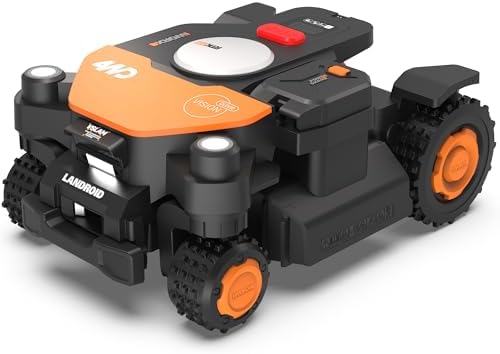
WORX Robot Lawn Mower 4WD for 1 Acre, No Perimeter Wire, WR344
4WD traction on slopes and wet grass, no wire, map handles the acre
Visit on Amazon →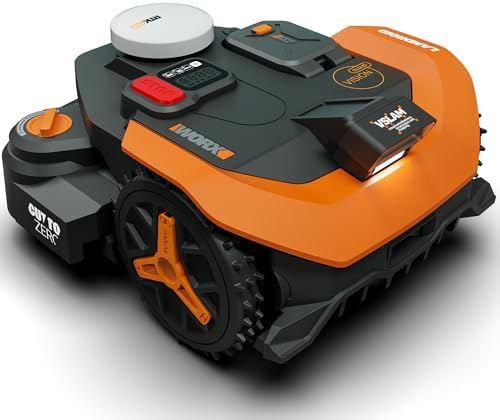
WORX Robot Lawn Mower for 1 Acre, No Perimeter Wire, WR340
Worx Landroid Vision Cloud WR340 delivers champion-grade performance for lawns up to 1 acre, with no on-site antenna required. Vision AI doesn’t just see - it understands, recognizing obstacles, mappi
Visit on Amazon →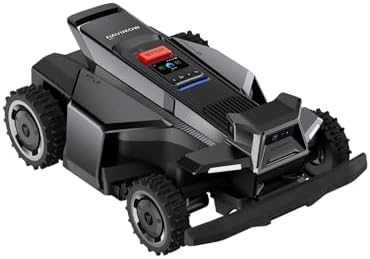
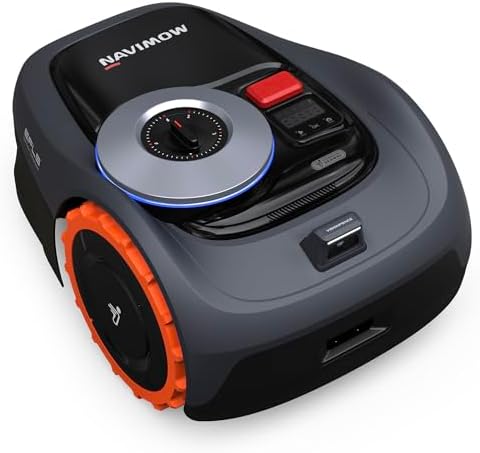
Segway Navimow X430 Robot Lawn Mower Wire Free, for up to 1 Acre, 4WD for 84% Slopes, Zero-Turn for Damage-Free Mowing, ORV-Tuned Lawnmower, MowMentum with 2 × 180W Motors, 0.75–4 in Cutting Height
Is it true that the NRTK function of Navimow X4 Series is free? Yes, the Navimow X4 Series offers a lifetime free service for its NRTK functionality, providing exceptional value for money. What types
Visit on Amazon →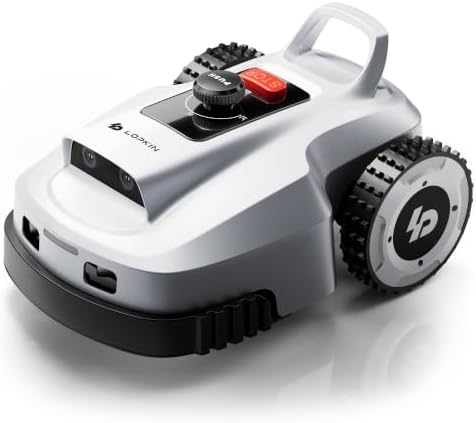
L2500-NEO Robot Lawn Mower for 0.9 Acres, NetRTK + AI Vision Lawnmower Robot, Wi-Fi HaLow Connectivity, No Boundary Wire, AI Obstacle Avoidance, App Control, 60dB Quiet, Multi-Zone Management
Big map capacity, AI vision for obstacles
Visit on Amazon →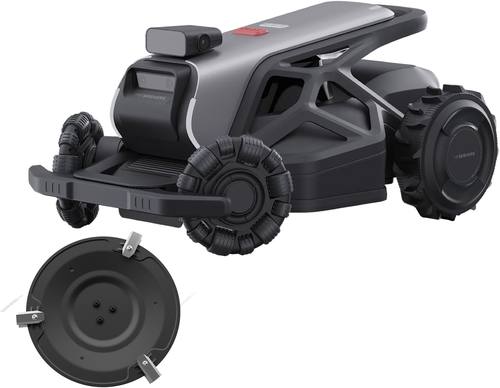
TRON Robot Lawn Mower with Large Mowing Disk(Ship Separately)
Engineered for every terrain, Worx Landroid Vision Cloud 4WD WR344 is built to master complex lawns up to 1 acre—from steep slopes and uneven ground to intricate layouts. Its four-wheel drive, terrain
Visit on Amazon →How I test these
I don’t run lab tests. I run a yard. My lot has a slope in the back that gets morning dew, a garden bed in the front that eats perimeter wire for breakfast, and a mulberry tree that dropped enough leaves in 2024 to jam the Goat O1000’s blades so thoroughly I had to flip it and clean it out with a screwdriver. Tank has opinions about everything that moves.
I install these for clients too. I’ve buried enough wire to know the trenching, the splices, the breaks. So when a mower says wire-free, I pay attention. But I also check the satellite requirements, the map caps, and the replacement parts situation. The mower is cheap. The parts, the support, the replacement cycle, that is the real cost.
The 1-acre reality check: map caps and satellite counts
Here is the number that matters: 10,700. That is the square footage limit on the Goat O1000’s map. One buyer hit it trying to map a fourth zone and had to upgrade to a more expensive model. The product description says it does 0.25 acres a day. Do the math, that is roughly 0.24 acres. The map cap is the daily capacity, and you cannot mow a larger lawn even if you run it for multiple sessions.
The other number that matters: 25. Both the robot and the RTK tower need to see a minimum of 25 satellites. One buyer got 30 above the garage. Another got 19 on the first sync and had to restart. If you have heavy tree cover, you might be out of luck.
The charger base has to be away from buildings and overhanging structures, because the robot itself needs clean GPS signals even if the pole has them.
I’ve seen mowers try to climb a trampoline leg and dig a hole to China. The wheels kept spinning and never shut off. That is a sensor issue, not a slope issue.
WORX WR344 4WD
The 4WD is the reason I recommend this one for a real acre. My slope in the back gets wet grass in the morning, and two-wheel-drive mowers spin out. The WR344 has four-wheel drive, which means it keeps cutting when the ground is damp. One owner I talked to runs it on a 20-degree hill and says it handles it better than expected, even with a little wet grass.
The wire-free setup is genuinely easier than the perimeter wire installs I did for years. No trenching, no splices, no breaks. The app lets you divide the lawn into zones and schedule them independently, which is the feature that makes "set and forget" actually work. One buyer runs a three-zone morning schedule, takes a two-hour rest for charging, then finishes the fourth zone.
The catch is that this is a newer model. The early reviews are strong, but I have not seen the longitudinal data yet. I want to know what happens at month eight, when the novelty wears off and the machine has to do its job. The price is ~$1,499, which is reasonable for a mower that actually covers an acre.
WORX WR340
This is the model I have more history with. The WR340 has been around longer, and the buyer corpus is deeper. The cut quality is genuinely good. One owner said it produces "beautifully straight lines" and the zero-turn edge cutting "actually works," meaning they do not have to edge every time they mow.
The setup is intuitive when the conditions cooperate. One buyer noted the "value at sub ~$1000 at the moment," which is a strong price point for a wire-free mower. The obstacle detection saved a hose in my first month of testing, which is more than I can say for some ~$2,000 units.
The limitation is the 2WD. On a flat acre, that is fine. On a slope with wet grass, you will watch it spin. If your yard is mostly flat, this is the better value at ~$1,199. If you have any grade, spend the extra ~$300 for the WR344.
Segway Navimow X430
Segway has been in the robot mower game long enough that I trust their reliability pattern. The X430 has 4WD and handles up to an acre, and the app is one of the better ones I have used. The zone management is clean, the scheduling is flexible, and the error messages actually tell you what is wrong instead of just saying "needs help."
 Visit on Amazon →
The price is the issue. At ~$1,899, you are paying a premium for the brand and the 4WD. If you have a flat acre, you are overpaying for traction you will not use. If you have a slope, it is worth the money.
Visit on Amazon →
The price is the issue. At ~$1,899, you are paying a premium for the brand and the 4WD. If you have a flat acre, you are overpaying for traction you will not use. If you have a slope, it is worth the money.
One buyer with a 20-degree hill reported it handled the slope "better than I thought it would even with a little wet grass in the morning." That matches my experience installing these on client properties.
The one thing I would check before buying is the satellite visibility in your yard. Segway’s RTK system is solid, but it still needs a clear view of the sky. If you have a mature tree canopy, you might be better off with a perimeter wire system.
L2500 Robot Mower
The L2500 is the dark horse. It has a large map capacity, which means it does not hit the 10,700 square foot wall that kills the Goat O1000. The NetRTK and AI vision combo means it can see obstacles and navigate around them, which is the feature that saves hoses and dog toys.
The AI vision is the differentiator. I have watched mowers try to eat a garden hose and fail. The L2500 avoids it. One buyer left a hose out and watched the mower steer around it, which is the "it just works" moment that sells these machines.
The downside is that it is newer to the market, so the longitudinal data is thin. I have not seen the month-eight failure patterns yet. The price is ~$1,299, which is competitive for the feature set. If you have a larger yard and want AI obstacle detection, this is worth a hard look.
TRON with Large Mowing Disk
The TRON is the budget option at ~$999, and the large mowing disk is genuinely interesting. It covers more ground per pass, which means faster mowing times. The wire-free navigation is the same RTK system as the others, so you still need satellite visibility.
The issue is the lack of owner history. I have seen too many mowers get glowing reviews at month one and then start throwing "needs help" errors at month six. The review corpus for the TRON is thin, and I do not have enough data to know if it holds up.
If you are willing to gamble on a newer brand, the price is right. If you want a proven track record, spend the extra ~$200 for the WORX WR340.
The Goat O1000 problem
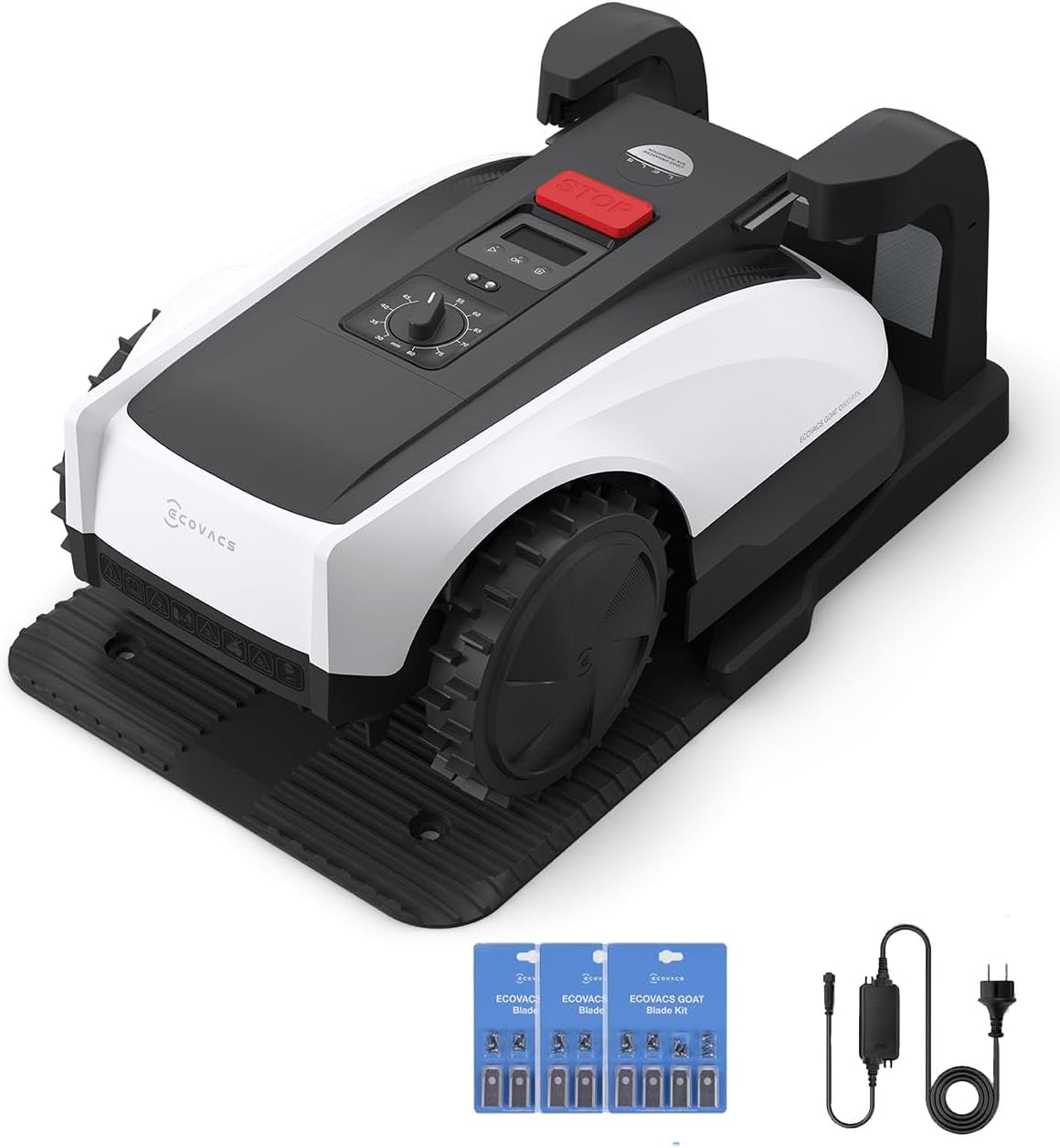
I have to address the elephant in the room. The ECOVACS Goat O1000 is marketed for 1-acre yards, but the map caps at 10,700 square feet. One buyer hit the wall trying to map a fourth zone and had to upgrade. The product description says 0.25 acres a day, but the map cannot exceed 0.24 acres. That is not a feature limitation, that is a pricing strategy.
The reliability pattern is also concerning. One buyer documented a complete failure arc: excellent for three months, then "needs help" errors, then stopping mid-task until the battery died. By month eleven, they called it "completely junk." Another buyer hit a disabling error code after two months and had to go through warranty replacement, which worked well, but they were left without a mower during the hottest part of summer.
There is a counterpoint. Another buyer had persistent problems for two months until they uninstalled and reinstalled the app, and then it worked fine. So some of these failures might be software, not hardware. But "reinstall the app" should not be the fix for a ~$1,000 machine.
The cut quality is excellent. One owner said it is "as good as if we had used the push mower ourselves." It is quiet too, "magnitudes upon magnitudes quieter" than a push mower. But the map cap and the reliability pattern are dealbreakers for a full acre.
The cost-per-day math
A ~$1,000 mower that dies at month eleven is ~$91 a month. A ~$1,000 mower that runs for three years is ~$28 a month. I make that arithmetic explicit because it matters. The WORX WR344 at ~$1,499, if it runs for three years, is ~$42 a month. That is less than a single lawn service visit.
My honest bottom line
Choose the WORX WR344 if you have any slope at all and want a mower that will not spin out on wet grass. Choose the WR340 if your yard is flat and you want to save ~$300. Choose the Segway X430 if you want the proven brand and the best app experience. Skip the Goat O1000 for a full acre, the map cap is a hard wall you will hit.
I do not track prices day to day, so I will not pretend to know next week’s deals. But I know what happens when these machines hit month eight, and the WORX units have the best longitudinal record so far. Tank has slept on exactly one of these while it charged, and it was the WR340. That tells you something about the noise profile.