A robot mower setup is never one purchase. It is a machine, a place for that machine to park, a way to keep the grass around the dock from swallowing it, and a plan for the week a blade goes dull. Most buying guides stop at the mower and leave you to discover the rest during the first wet week of spring. This guide takes the other approach: it starts with the mower, then covers the supporting pieces that decide whether the install survives a season, and it stays honest about which items actually cut grass and which are simply useful in the same garage. Every product below is described from its own listing, and the links go to the retailer so you can confirm current details yourself.
Related: Perimeter Wire vs RTK: Which Navigation Actually Survives a Yard
Quick answer
The V3 AI Vision Robotic Lawn Mower, 1600 Sq.Ft, Dark Grey is the strongest fit for a smaller yard that wants to skip a perimeter wire, because it is the only machine in this roundup that is actually a robotic lawn mower and its listing names vision-based navigation and a 1,600 square foot coverage figure. Choose the dreame X50 Ultra Complete Robot Vacuum with Self-Cleaning & Emptying instead when the floors inside the house are the bigger time sink than the lawn.
Robot mower setup essentials worth comparing
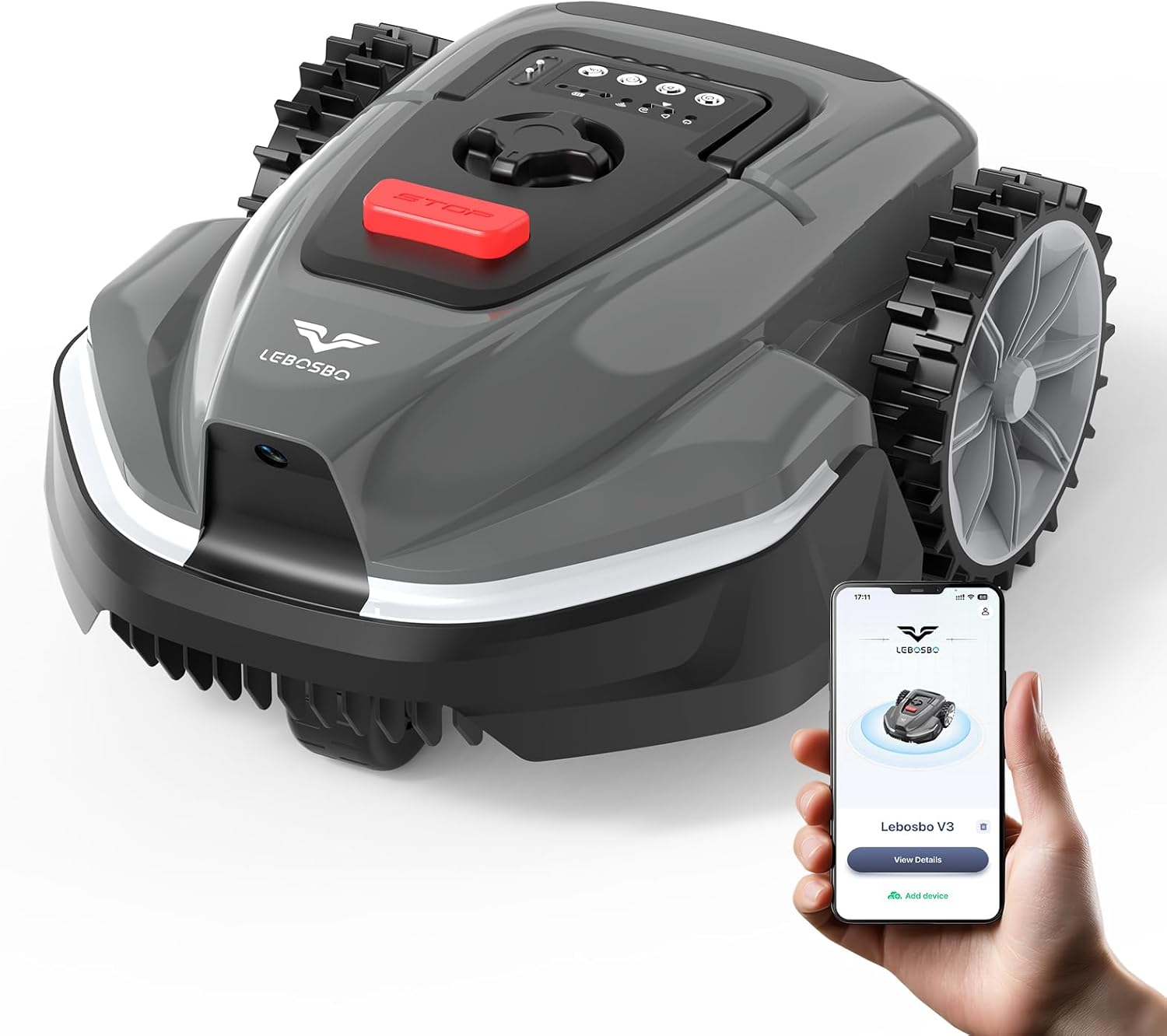
V3 AI Vision Robotic Lawn Mower, 1600 Sq.Ft, Dark Grey
A vision-guided robotic lawn mower listed for yards up to 1,600 square feet and finished in dark grey. AI vision navigation is the headline feature in the product name, which makes this the one card here that does the actual mowing.
Visit on Amazon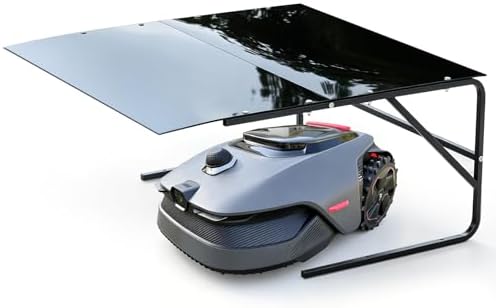
Robot Mower Garage,Shelter for All Mowers,Thickened Polyester Oxford Cloth
A cover sized to sit over a robot mower and its docking station. The listing describes thickened polyester oxford cloth and a fit for all mowers, so it is the piece that puts a roof over hardware parked outdoors.
Visit on Amazon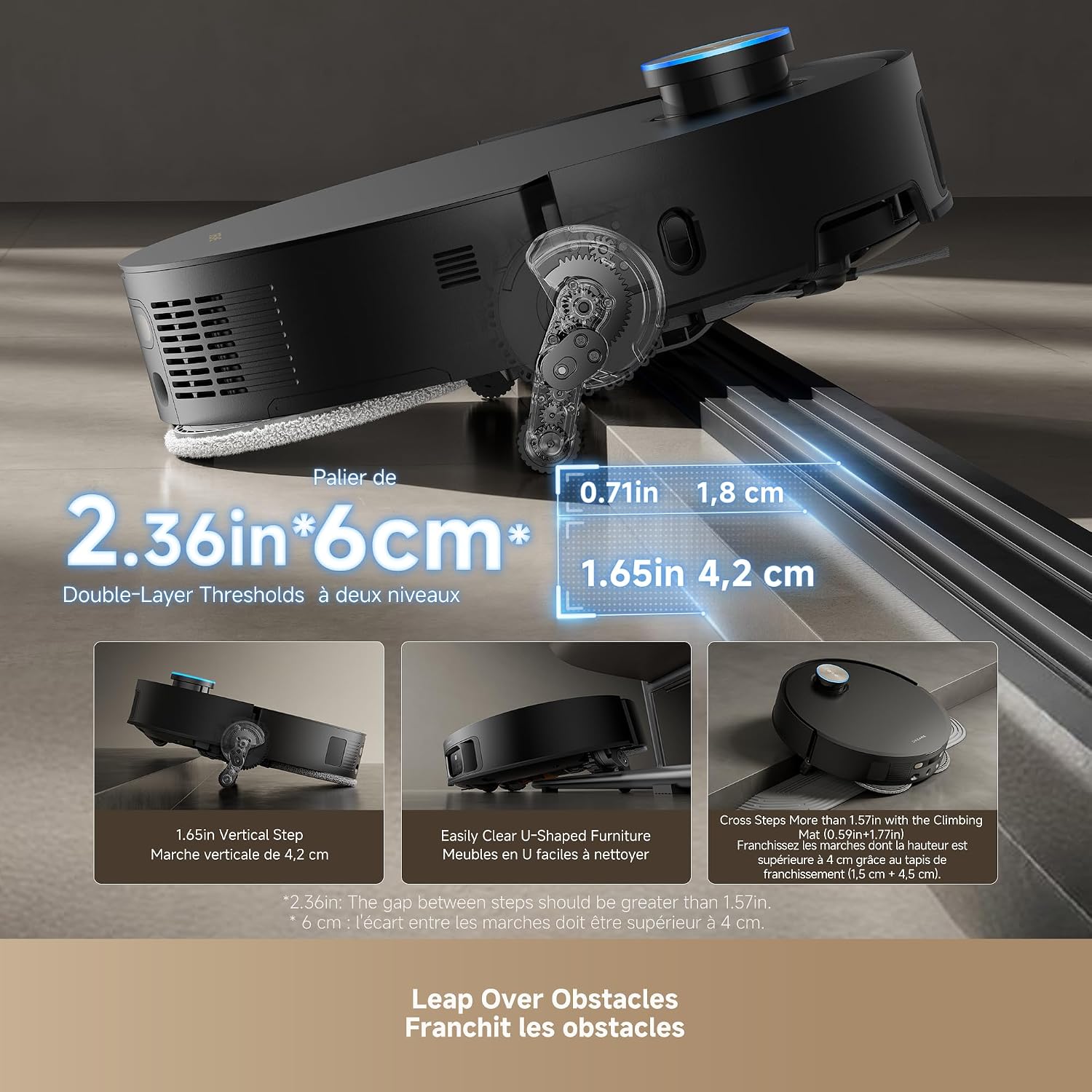
dreame X50 Ultra Complete Robot Vacuum with Self-Cleaning & Emptying
An indoor robot vacuum with self-cleaning and self-emptying, sold as the X50 Ultra Complete. It is not a mower, and it is included here for households automating the floors and the lawn in the same season.
Visit on Amazon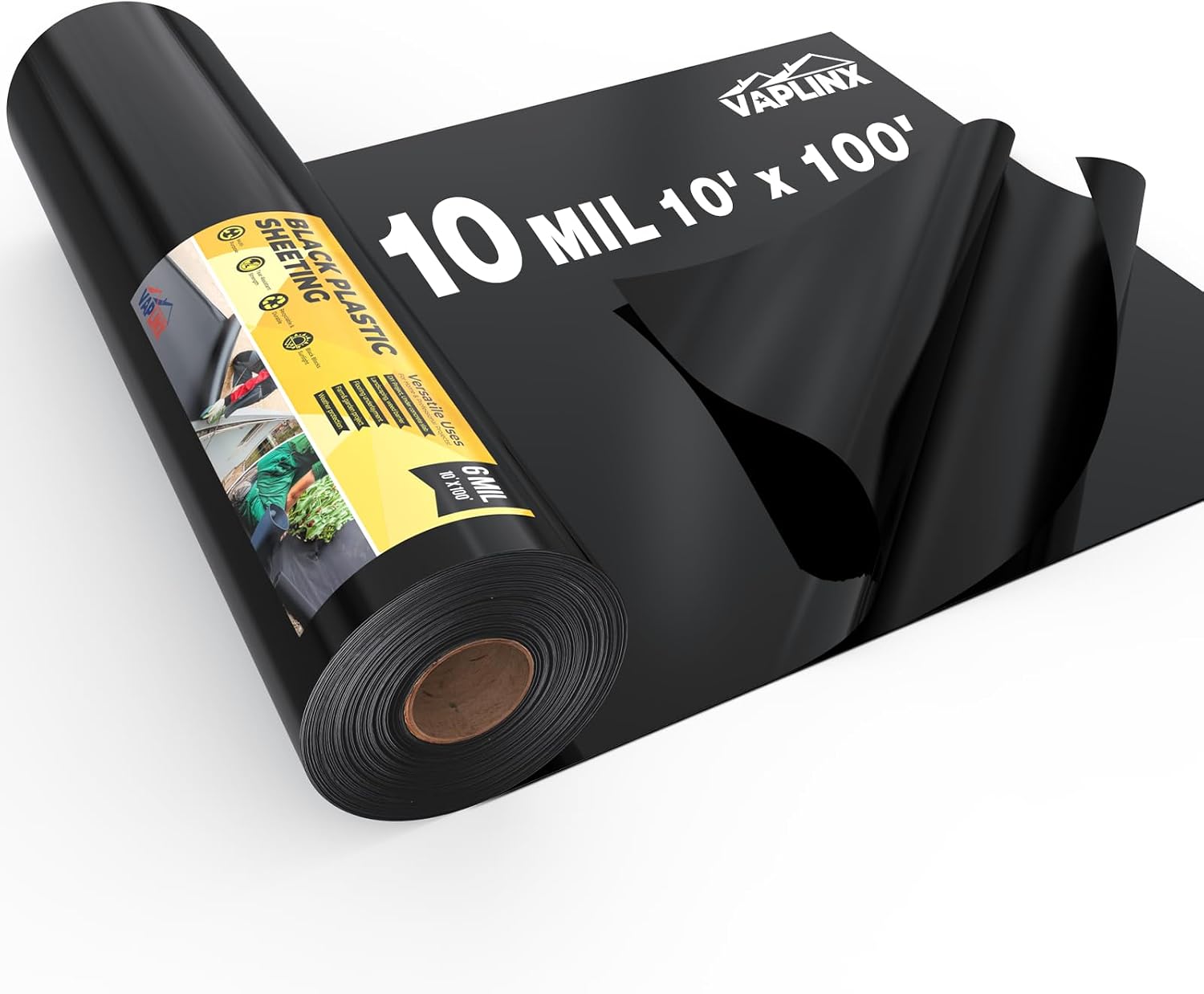
10 Mil Black Plastic Sheeting 10x100 FT, Heavy Duty Polyethylene Plastic Rolls for Garden, Black Plastic Rolls for Crawl Space Vapor Barrier, Construction, Landscaping, Weed and Moisture Control
A 10 mil, 10 by 100 foot roll of heavy-duty black polyethylene. The listing names garden, crawl space vapor barrier, construction, landscaping, and weed and moisture control as its jobs.
Visit on Amazon
Choosing the Perfect Robotic Lawn Mower: 10 Key Aspects You Must Consider
A short guide that walks through ten aspects of choosing a robotic lawn mower, written for readers who want a framework in hand before they commit to a machine.
Visit on Amazon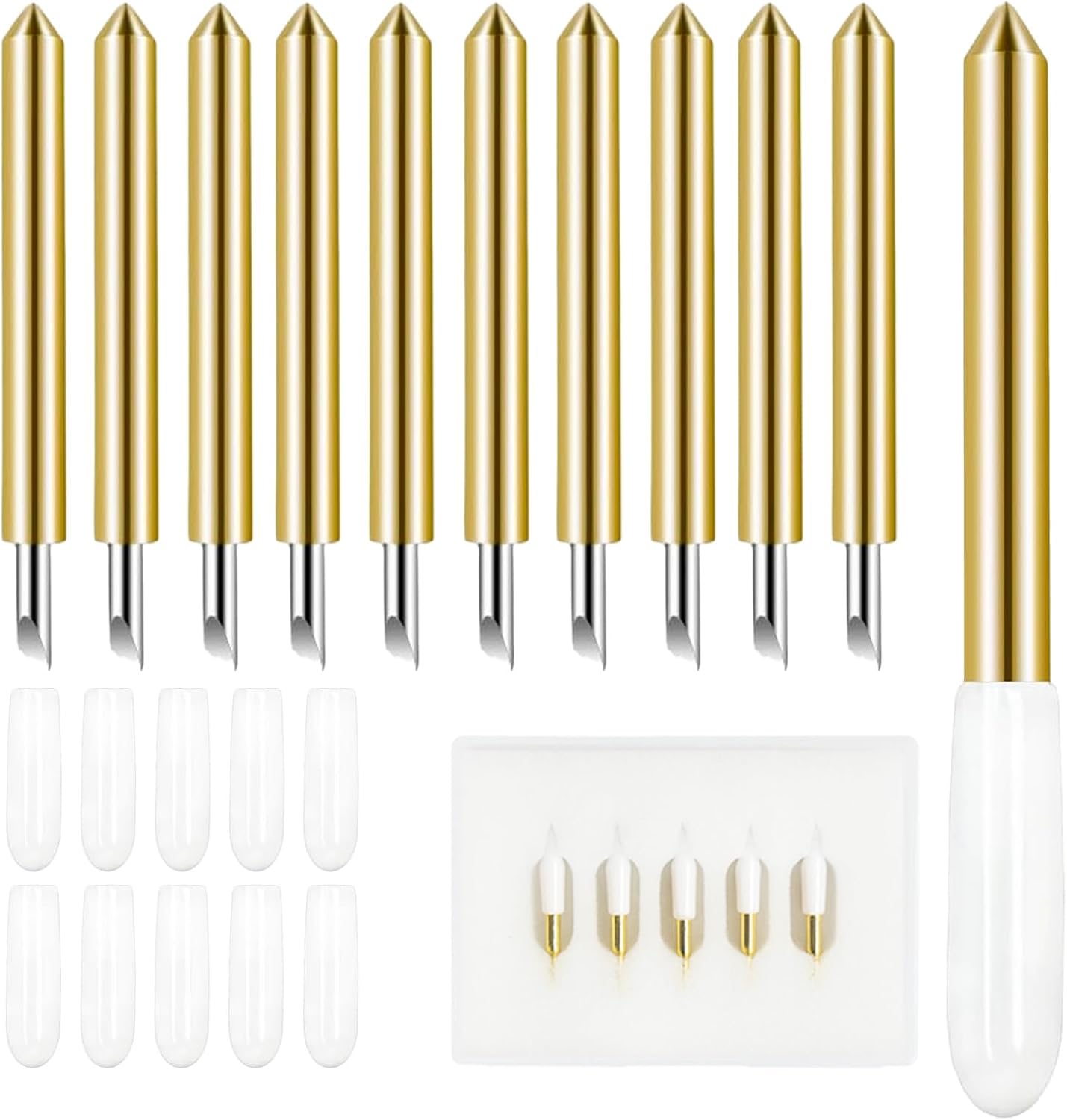
10-Pack Fine Point Blades for Cricut Maker & Explore
A ten-pack of fine point blades for Cricut Maker and Explore cutting machines. Useful for cutting labels and stake tags for a wire map, and worth being clear about: these are craft blades, not mower blades.
Visit on AmazonPrices and availability may change. Check the retailer for current details.
How these products were compared
This guide compares the coverage figure stated in each listing, the navigation approach the listing names, whether the item is outdoor hardware or an indoor machine, the material and dimensions given in the product name, and the compatibility or fit that the name specifies. Product names, images, and retailer links are matched to the same listing so that every card points to the product shown, and the call to action is the place to confirm today's price and availability.
How to choose the right robot mower setup
Start with the coverage number, not the machine. The mower in this roundup is listed for 1,600 square feet, and that figure is the one to hold against your actual grass. Measure the lawn, then subtract the beds, the paths, the dog run, and the strip along the fence that no robot reaches cleanly. If the real number lands close to the listed figure, you are buying at the edge of the envelope, and a machine rated for a larger yard is the safer call.
Then decide how the mower finds its way. A perimeter wire is the traditional answer: it is boring, it is reliable, and it is also the largest single line in an install budget once you count wire, stakes, splices, and the afternoon it takes to bury or pin it all down. Vision-based navigation, which is what the V3 card above names, skips the wire entirely. The trade-off is that cameras need contrast and light, and glare, deep shade, or a lawn that looks a lot like the neighbor's can all confuse them. RTK positioning is the third route, and it is the one that tends to struggle under heavy canopy. Ask which approach the listing names, then ask what your yard actually looks like at seven in the morning in October.
Dock placement is the decision people make last and regret first. The station needs power, reasonably level ground, and a clear run out in the direction the mower will travel. If that spot is exposed to weather, a shelter belongs in the plan from the beginning rather than as a scramble after the first storm. The ground around the dock matters too: a gravel pad or a weed-control strip keeps the mower from parking in a mud pit, and a heavy black polyethylene roll is the material most installs reach for when they need to hold moisture back and stop growth under a pad or behind a bed. That same material will kill anything you lay it over, so keep it where you want nothing to grow.
Finally, budget for consumables and for the reference material that keeps you from guessing. Blades dull, and a dull blade tears grass instead of cutting it, which shows up as a lawn that looks chewed rather than mowed. A guidebook is cheap insurance if you are still deciding what to buy, and a cutting machine plus a pack of fine point blades is a reasonable way to make permanent labels for the wire map or the docking station. For more on navigation choices, the wire versus RTK comparison linked above is the place to start.
V3 AI Vision Robotic Lawn Mower, 1600 Sq.Ft, Dark Grey
This is the machine the rest of the setup exists to support. Its listing names AI vision navigation, which means the mower is designed to work without a perimeter wire, and it gives a coverage figure of 1,600 square feet, which puts it in the smaller-yard bracket. Dark grey is the finish, which matters less than where it parks, but a neutral color tends to disappear against a fence line rather than announce itself.
The trade-off is the one that follows any vision-first design: the machine depends on what it can see. A lawn with a hard boundary, a consistent mowing height, and reasonable light is the friendly case. A yard with deep shade, glare off a wet surface, or a lot of visual clutter around the edges is the case that demands more patience during the first few weeks of mapping and scheduling. The listing does not promise anything about slope performance or tree cover, so treat those as questions to answer for your own yard rather than assumptions to buy on. If your grass is simple and your patience for wire is low, this is the card that fits.
Alternatives to consider
The Robot Mower Garage,Shelter for All Mowers,Thickened Polyester Oxford Cloth is better suited to a mower that parks outside year round, where a fabric cover over the dock and machine keeps the worst of the weather off hardware you would rather not replace. The dreame X50 Ultra Complete Robot Vacuum with Self-Cleaning & Emptying is a stronger fit when the indoor floors are the priority, since it is an indoor robot vacuum with self-cleaning and self-emptying rather than a mower, and it makes sense for a household automating the house before the yard.
The 10 Mil Black Plastic Sheeting 10x100 FT, the Choosing the Perfect Robotic Lawn Mower: 10 Key Aspects You Must Consider guide, and the 10-Pack Fine Point Blades for Cricut Maker & Explore cover the rest of the install and planning work: moisture and weed control under a dock pad or behind a bed, a structured framework for choosing a machine in the first place, and a way to cut durable labels for the wire map and station markers. None of them mow, and all of them earn their place in a garage where a robot is doing the work.
Day-to-day use and maintenance
The routine is short but it is not optional. Empty or check the collection path as the manual directs, keep the cutting height consistent with the season, and look at the blade edge regularly, because that is the part that decides whether the lawn looks cut or shredded. Replacement blades should be the ones specified for your machine, and they should go on without a special tool you do not own, which is a detail worth confirming before you buy a mower rather than after.
The dock is the other half of the routine. Keep the approach clear of fallen branches, toys, and clippings, and check the charging contacts for the film that wet grass leaves behind. If the mower parks under a fabric shelter, check the cover after storms for standing water and debris, let the material dry before you fold or refit it, and follow the care instructions that came with it rather than inventing your own. A cover that traps moisture is worse than no cover at all.
Ground cover needs the same attention. Heavy polyethylene sheeting laid under a dock pad or behind a planting bed should be checked each spring for tears and for edges that have worked loose, and it should never be laid over lawn you intend to keep, because the whole point is to stop growth and hold moisture where you put it. If you also run an indoor robot vacuum, its self-emptying base needs the same kind of attention as the mower dock: a clear approach, clean contacts, and a filter schedule taken from the manual rather than from memory.
One safety note applies to everything here. Power down and unplug a docking station before you work around it, keep hands and pets away from blade assemblies, and read the care instructions for the mower, the shelter, the sheeting, and any cutting tool before the first use.
Buying checklist
- Measure the lawn and compare it to the coverage figure the listing states, not to the yard you wish you had.
- Choose the navigation approach the listing names based on normal conditions in your yard, not on a best-case afternoon.
- Decide where the dock will live and whether it needs a shelter over it.
- Confirm that any accessory, cover, or blade names your exact model in its compatibility line.
- Read the cleaning and maintenance instructions for the machine and for anything you put on the ground.
- Verify the current retailer price, availability, and return terms through the call to action before you order.
Final recommendation
Choose the V3 AI Vision Robotic Lawn Mower, 1600 Sq.Ft, Dark Grey when you have a smaller lawn, you would rather not run perimeter wire, and you are ready to give a vision-based machine a few weeks to learn the property. Choose the dreame X50 Ultra Complete Robot Vacuum with Self-Cleaning & Emptying when the indoor floors come first and the lawn can wait. Everything else on this list is support: the shelter that keeps the dock out of the weather, the sheeting that keeps the ground around it from turning to mud, the guide that shortens the decision, and the blades that keep your labels legible. Buy the mower for the yard you have, then buy the pieces that make the install last past the first spring.